How to Get Rid of Roots in Your Sewer Pipes?
Tree roots in sewer pipes are more common than most homeowners think. If you’re dealing with slow drains, frequent backups, or bad smells, roots could be the hidden cause.
The good news? You can remove them, and more importantly, prevent them from coming back.
In this guide, we’ll walk you through:
- Why roots grow into sewer lines
- How to remove them safely
- The role of a sewer line inspection
- Proven ways to prevent root growth in sewer line systems
Everything is explained in simple, clear terms so you can take action with confidence.
Why Do Tree Roots Grow Into Sewer Pipes?
Tree roots naturally seek out moisture and nutrients. Your sewer line provides both.
Even a tiny crack in a pipe can release vapor or water. Roots sense this and slowly grow toward it. Once inside, they expand and block the pipe.
Common Causes of Root Intrusion:
- Aging or cracked pipes
- Loose pipe joints
- Clay or cast iron sewer lines
- Poor installation or shifting soil
Over time, the roots get thicker. They trap debris like grease and toilet paper, leading to full blockages.
Signs You Have Roots in Your Sewer Line
Before you dig anything up, look for these warning signs:
1. Slow Drains Throughout the House
If multiple drains are slow, the issue is likely in your main sewer line, not just one pipe.
2. Frequent Backups
Toilets or sinks backing up often? Roots may be restricting flow.
3. Gurgling Sounds
Air trapped by roots can cause bubbling or gurgling noises in drains.
4. Bad Odors
Blocked pipes can release sewage smells inside or outside your home.
5. Extra Green Patches in Yard
Roots feeding on wastewater may cause unusually lush grass above the pipe.
Start With a Sewer Line Inspection
Before fixing the problem, you need to confirm it.
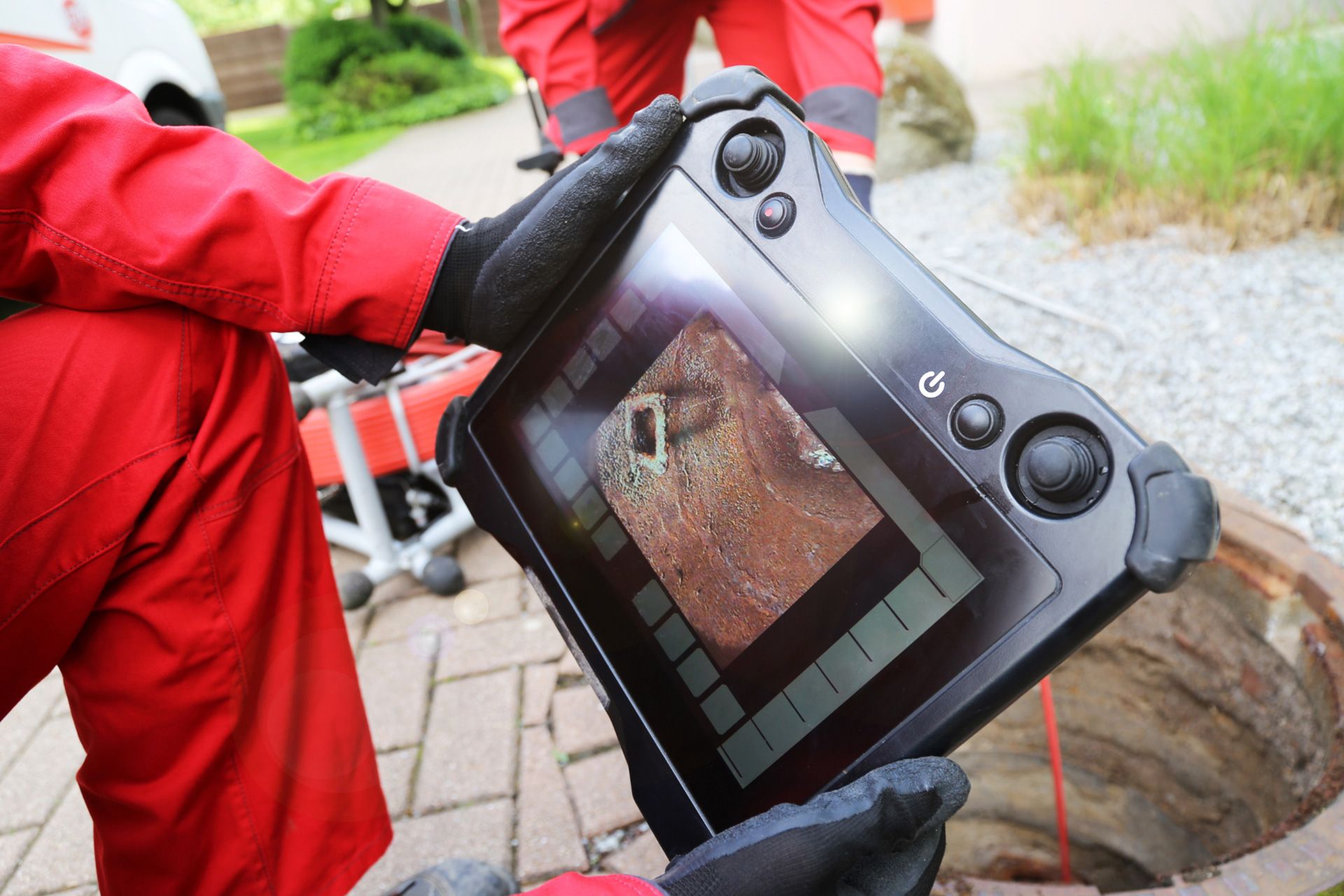
A sewer line inspection uses a small camera inserted into your pipes. It shows:
- Where the roots are
- How severe the blockage is
- Whether the pipe is damaged
Why This Matters:
- Prevents guesswork
- Saves time and money
- Helps choose the right solution
Professional inspectors can give you a clear diagnosis in one visit.
How to Get Rid of Roots in Your Sewer Pipes
Once you confirm roots are the issue, you have several effective options.
1. Mechanical Root Cutting
This is one of the most common methods.
A special cutting tool is inserted into the pipe. It spins and cuts through roots.
Best for:
- Thick root masses
- Immediate blockage removal
Pros:
- Fast results
- Clears major clogs
Cons:
- Roots can grow back if not treated
2. Hydro Jetting
Hydro jetting is a method plumbers may use to clear sewer line blockages after they are identified through sewer inspection.
Best for:
- Light to moderate root growth
- Cleaning pipe walls
Pros:
- Thorough cleaning
- Removes grease and buildup
Cons:
- May not remove very thick roots
3. Chemical Root Killers (Use Carefully)
Certain products can kill roots inside pipes without harming the tree immediately.
Best for:
- Preventing regrowth after cutting
Pros:
- Easy to apply
- Slows root return
Cons:
- Must be used correctly
- Not a permanent fix
4. Pipe Repair or Replacement
If serious damage is found, a licensed plumber may need to perform repair or replacement.
Options include:
- Spot repair
- Pipe relining
- Full replacement
Best for:
- Cracked or collapsed pipes
Pros:
- Long-term solution
- Stops root entry
Cons:
- More involved process
How to Prevent Root Growth in Sewer Line Systems
Removing roots is only half the job. Prevention is key.
Here’s how to stop the problem from coming back.
1. Schedule Regular Sewer Line Inspection
Routine sewer scope inspections catch small issues before they become major problems.
Tip:
Inspect every 1–2 years, especially if you have older pipes or large trees nearby.
2. Avoid Planting Trees Near Sewer Lines
Roots can spread far beyond the visible tree.
Safe distance:
- At least 10–20 feet from sewer lines
Choose trees with less aggressive root systems.
3. Upgrade Old Pipes
Older materials like clay or cast iron are more vulnerable.
Modern options like PVC are:
- More durable
- Resistant to root intrusion
4. Use Root Barriers
Physical barriers can block roots from reaching your sewer line.
These are installed underground between trees and pipes.
5. Apply Preventive Treatments
After removing roots, apply root inhibitors to slow regrowth.
This is especially useful if you cannot remove nearby trees.
6. Fix Leaks Quickly
Even small leaks attract roots.
If you notice:
- Wet spots in yard
- Sewer smells
- Sudden drain issues
Get them checked immediately.
DIY vs. Professional Help: What’s Best?
Some homeowners try DIY solutions, but sewer issues can get complicated fast.
DIY May Work If:
- The blockage is minor
- You have proper tools
- No pipe damage is present
Call a Professional If:
- Roots keep coming back
- Multiple drains are affected
- You suspect pipe damage
- You need a sewer line inspection
Professionals have the right equipment and experience to fix the problem safely.
Long-Term Risks of Ignoring Root Intrusion
If left untreated, roots can cause serious damage:
- Complete pipe blockage
- Sewage backups inside your home
- Pipe collapse
- Costly repairs
Early action saves you time, stress, and money.
Expert Tips From the Field
After years of home inspection experience, here are a few practical insights:
- Don’t wait for a full backup — early signs matter
- Combine removal + prevention — cutting alone isn’t enough
- Keep records of inspections — helps track recurring issues
- Work with certified inspectors — accuracy matters
A proactive approach always beats emergency repairs.
Conclusion
Tree roots in sewer lines can be frustrating, but they are manageable.
Start with a sewer line inspection to understand the problem. Then use the right removal method based on severity. Most importantly, focus on how to prevent root growth in sewer line systems so the issue doesn’t return.
With the right approach, you can protect your home, avoid costly repairs, and keep your plumbing system running smoothly for years.
Need a sewer scope inspection? Contact Full Circle Home Inspectors today to detect sewer line issues before they become costly problems.
FAQs
How do I know if roots are in my sewer line?
Common signs include slow drains, frequent backups, gurgling noises, and bad odors. A sewer line inspection is the best way to confirm.
Can I remove tree roots from pipes myself?
You can try basic tools for minor clogs, but professional equipment is usually needed for safe and complete removal.
Will roots grow back after removal?
Yes, roots can return if the pipe is still vulnerable. Preventive treatments and repairs help stop regrowth.
How often should I schedule a sewer line inspection?
Every 1–2 years is ideal, especially for older homes or properties with large trees.
What is the best way to prevent root growth in sewer line systems?
Regular inspections, upgrading old pipes, using root barriers, and keeping trees at a safe distance are the most effective methods.
Are chemical root killers safe to use in sewer lines?
They can be safe when used correctly, but they should not replace professional solutions or repairs.
Do all trees cause sewer line problems?
No, but trees with aggressive root systems are more likely to invade pipes. Placement and maintenance matter.
Disclaimer: The information on this website and blog is for general informational purposes only and is not professional advice. We make no guarantees of accuracy or completeness. We disclaim all liability for errors, omissions, or reliance on this content. Always consult a qualified professional for specific guidance.
Search
Recent Posts