Inspecting for Safety: A Comprehensive Guide to Home Safety Inspections
Keeping your home safe is one of the most important things you can do for yourself and your family. Many people think their home is free from danger, but hidden risks can exist in any house, old or new. A home safety inspection helps find these dangers before they cause accidents, injuries, or costly repairs. In the United States, more homeowners are now choosing regular inspections to protect their loved ones and keep their homes in top shape.
This guide will explain what a residential safety inspection includes, why it matters, and how it helps homeowners stay safe year-round.
What Is a Home Safety Inspection?
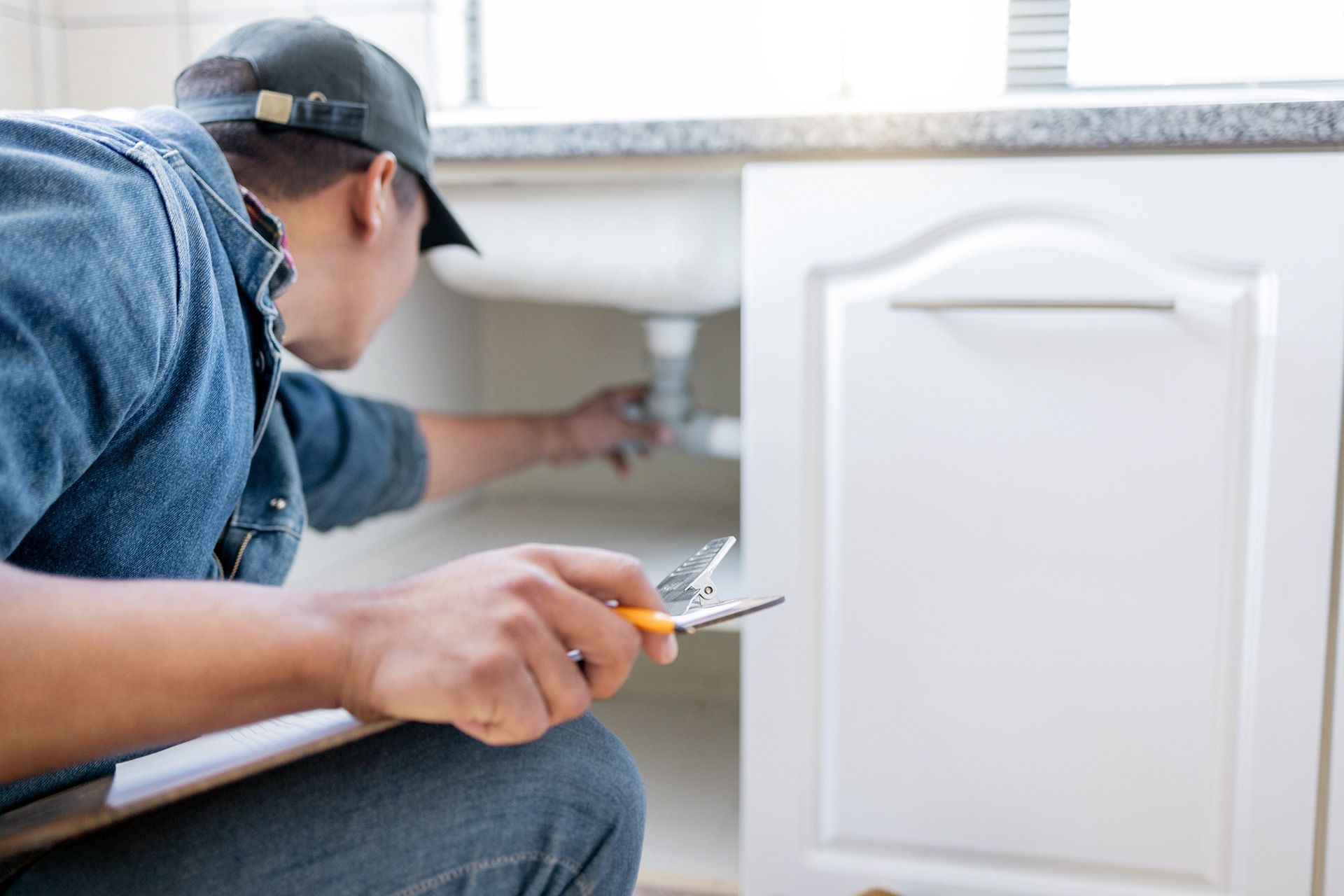
A home safety inspection is a detailed check of your home to identify hazards that could cause injuries, fires, or health issues. A trained inspector walks through your home, tests important systems, and looks for anything that may cause harm.
While many people think of home inspections as something you only do when buying a house, safety inspections are different. They can be done anytime and focus only on safety-related issues inside and outside your home.
These inspections are especially helpful for families with children, seniors, or people with mobility challenges.
Why a Residential Safety Inspection Matters
A residential safety inspection helps homeowners understand risks that may not be easy to spot. Many hazards hide behind walls, under floors, or inside appliances. Some common dangers include:
- Loose handrails
- Poor lighting
- Damaged outlets
- Trip hazards
- Fire risks
- Carbon monoxide leaks
A simple inspection can prevent accidents and give you peace of mind. It also helps you fix small issues before they turn into expensive problems.
Key Areas Covered During a Home Safety Inspection
A proper safety inspection checks every major part of your home. Here are the most important areas inspectors look at:
1. Electrical Safety
Electrical problems are one of the top causes of house fires in the U.S. During the inspection, the expert will check:
- Outlets for damage or overheating
- Electrical panels for signs of wear
- GFCI outlets in kitchens, bathrooms, and outdoor areas
- Proper grounding
If something is unsafe, the inspector will tell you what needs repair and how urgent it is.
2. Fire Safety
Fire safety is a major part of every home safety inspection. The inspector may look at:
- Smoke detectors and their battery life
- Fire extinguishers
- Stove and cooking areas
- Fireplace conditions
- Space heaters and cords
They may also check escape routes and suggest ways to improve your home’s fire readiness.
3. Carbon Monoxide Risks
Carbon monoxide is a deadly gas with no smell or color. The inspector checks:
- CO detectors
- Fuel-burning appliances
- Chimneys and vents
These checks help ensure your home has proper ventilation and safe heating systems.
4. Fall and Trip Hazards
Falls are the leading cause of injury among seniors. A safety inspection looks for:
- Loose carpets
- Uneven floors
- Cluttered hallways
- Poor lighting
- Broken handrails and stairs
If needed, the inspector may suggest grab bars, better lighting, or simple repairs to make your home safer.
5. Bathroom and Kitchen Safety
These rooms have high accident risks. Inspectors check for:
- Slippery floors
- Water leaks
- Loose tiles
- Sharp edges
- Hot water temperature
They also look at older appliances that could cause electrical or fire hazards.
6. Outdoor Safety Risks
Safety doesn’t stop at the front door. A residential safety inspection includes:
- Walkways and driveways
- Decks and patios
- Railings
- Outdoor lighting
- Pools and spas
Outdoor hazards can be dangerous, especially in the winter months when surfaces get icy.
Why Seniors Benefit the Most From Safety Inspections
Many U.S. homeowners request safety inspections for aging parents or seniors living alone. As people get older, their risk of falling or getting hurt increases. A safety inspection can help identify:
- Hard-to-reach smoke alarms
- Poor lighting that makes it hard to see
- Slippery floors or loose rugs
- High shelves
- Cluttered walkways
These improvements make a home safer and help seniors stay independent longer. According to many senior home care experts, small safety upgrades can reduce injuries and help families feel more secure.
Health Benefits of a Home Safety Inspection
A safer home does more than prevent accidents. It can also improve your health. Home inspectors may spot issues like:
- Mold growth
- Poor ventilation
- High moisture levels
- Pest entry points
These problems can cause allergies, breathing issues, or worsen asthma. Fixing them improves air quality and helps maintain a healthier living environment.
How Often Should You Schedule a Home Safety Inspection?
Most U.S. homeowners benefit from having a home safety inspection every one to two years. You may also want an inspection when:
- Buying or selling a house
- Renovating your home
- Adding new electrical appliances
- A senior relative moves in
- You notice unusual smells, sounds, or moisture
Regular inspections keep your home safe and help you stay ahead of problems.
Choosing the Right Safety Inspector
Working with a trained and certified home inspector makes all the difference. Here’s what to look for:
- Experience with residential safety inspections
- Certifications from trusted organizations
- Good reviews from customers
- Clear reports and recommendations
- Knowledge of local safety laws and building codes
A professional inspector will explain everything clearly and help you understand which repairs are most important.
What to Expect After the Inspection
After the inspection is complete, you receive a detailed report. The report includes:
- Safety issues found
- Photos of risks
- Repair suggestions
- Priority levels (urgent, moderate, or low-risk)
You can then decide how to fix these issues. Many repairs are simple, such as replacing batteries or adding better lighting. Others may require licensed contractors.
Tips to Improve Home Safety Year-Round
You don’t have to wait for an inspection to make your home safer. Here are simple steps you can follow anytime:
- Test smoke and CO detectors monthly
- Keep walkways clear and well-lit
- Replace damaged cords
- Clean dryer vents
- Install grab bars in bathrooms
- Use non-slip mats in showers
- Store cleaning supplies safely
- Check furnace filters often
Small habits make a big difference in long-term safety.
Final Thoughts
A home safety inspection is one of the best ways to keep your home safe, healthy, and accident-free. Whether you have children, seniors, or simply want peace of mind, a residential safety inspection gives you the information you need to protect your home and your family.
Call Full Circle Home Inspectors today to schedule a safety inspection and protect your home with confidence.
FAQs About Home Safety Inspections
How long does a home safety inspection take?
Most inspections take 1–2 hours, depending on the size of the home and the number of issues found.
Is a residential safety inspection different from a standard home inspection?
Yes. A standard home inspection focuses on the condition of the home for buying or selling. A residential safety inspection focuses only on hazards that can harm people.
Do I need to prepare for the inspection?
You don’t need to do much. Just make sure the inspector can access all rooms, including the attic, basement, and electrical panel.
Are safety inspections worth the cost?
Absolutely. They help prevent fires, falls, and health problems. Many homeowners say the peace of mind alone is worth it.
Can renters request a home safety inspection?
Yes. Renters can hire an inspector or ask their landlord to schedule one, especially if they notice safety concerns.
Disclaimer: The information on this website and blog is for general informational purposes only and is not professional advice. We make no guarantees of accuracy or completeness. We disclaim all liability for errors, omissions, or reliance on this content. Always consult a qualified professional for specific guidance.
Search
Recent Posts