Understanding the Role of Home Inspections in New Construction
When you buy a brand-new home, it’s easy to think everything is perfect. After all, it’s new, modern, and built with the latest materials. So many buyers assume that a home inspection isn’t needed. But the truth is this: even brand-new homes can have hidden problems. A new construction home inspection helps you catch these issues early, before they turn into costly repairs.
In this article, we’ll explain why home inspections for newly built homes are so important, what inspectors look for, and how they help protect your investment.
Why New Homes Still Need an Inspection
Many people believe that new homes are flawless because they were just built. But construction involves many steps and many people, plumbers, electricians, roofers, painters, and more. With so many hands on the project, mistakes can happen.
Some common issues found in new homes include:
- Incorrect wiring
- Poor drainage around the foundation
- Missing insulation
- Improper roofing installation
- Plumbing leaks
- HVAC performance issues
- Safety hazards
A home inspection for new build homes makes sure the work was done properly and meets current building standards. A good inspector works only for you, not the builder, so you get a clear and honest report about the home’s condition.
What Is a New Construction Home Inspection?
A new construction home inspection is a detailed evaluation done by a licensed home inspector after a new home is built. It checks the structure, systems, safety features, and mechanical components. The goal is to make sure everything is installed correctly and working the way it should.
Builders often do their own walkthroughs, but these are not the same as a professional home inspection. An independent inspector has no connection to the builder, so you get unbiased results and expert recommendations.
Key Phases of New Construction Inspections
New construction inspections usually happen in three main stages. Each stage gives the inspector a chance to check things before they are hidden behind walls or before closing.
1. Pre-Drywall Inspection
This inspection happens before insulation and drywall are added. It is one of the most important steps because it allows the inspector to see behind the walls.
During a pre-drywall inspection, the inspector checks for:
- Electrical wiring placement
- Plumbing line installation
- HVAC ductwork layout
- Framing quality
- Window and door installation
- Structural connections
Catching problems at this stage is easier and cheaper to fix. Once the walls are closed, repairs become more expensive and difficult.
2. Final Inspection (Before Closing)
This inspection happens after the home is fully built and ready for move-in. It works like a standard home inspection.
The inspector examines:
- Exterior walls and roof
- Foundation and grading
- Attic, insulation, and ventilation
- Electrical panel and outlets
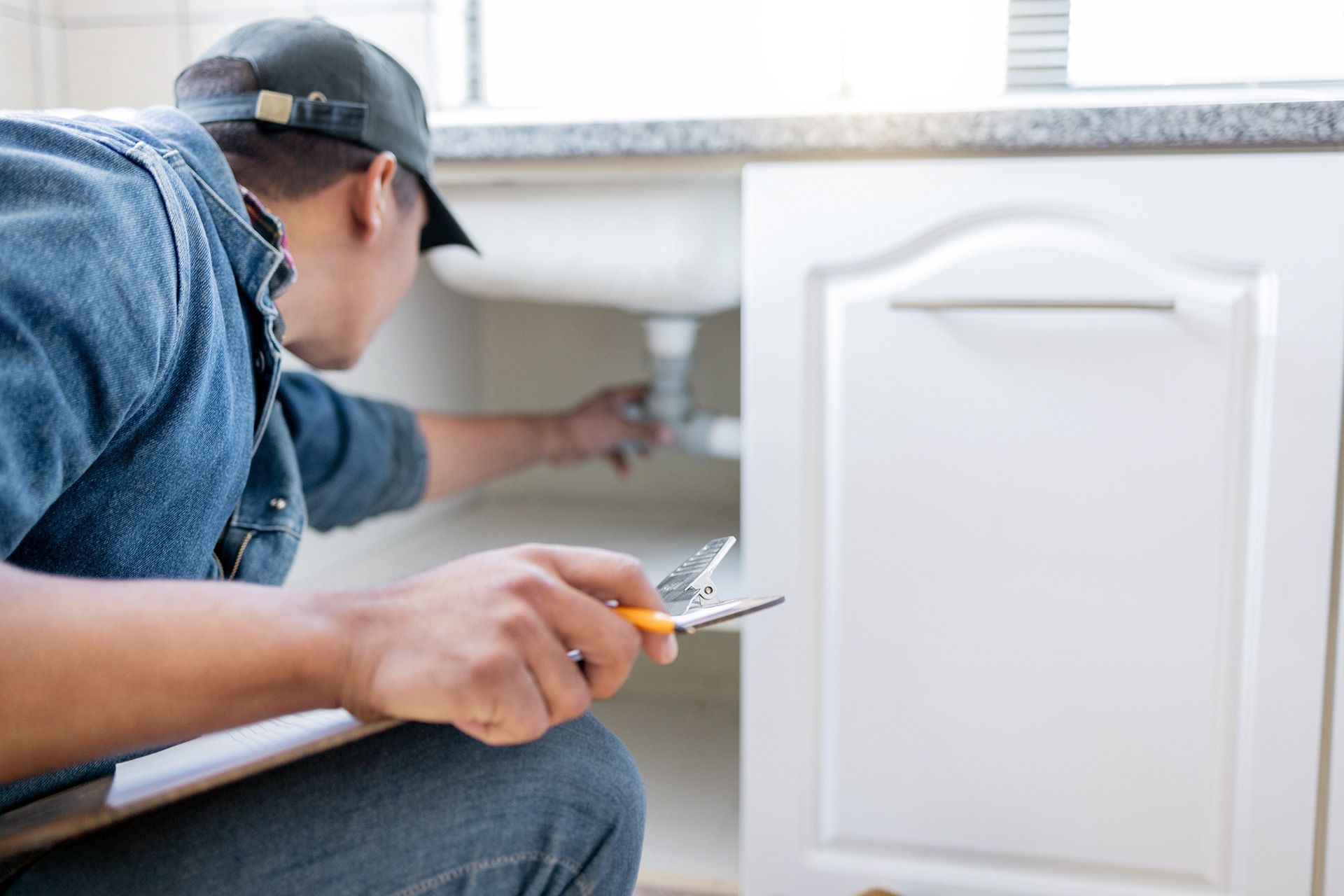
- Plumbing fixtures and water flow
- HVAC system performance
- Appliances
- Windows and doors
- Safety features like smoke detectors
This is your last chance to point out defects before you sign the final paperwork. If anything is wrong, the builder must fix it before closing.
3. Warranty Inspection (11-Month Check)
Most new homes come with a 1-year builder's warranty. A warranty inspection, done around the 11-month mark, helps you catch issues that may have developed after living in the home for a while.
These include:
- Foundation cracks
- Settlement issues
- Minor leaks
- Electrical shorts
- HVAC performance problems
This inspection ensures the builder handles repairs under warranty before it expires.
Why Builders Recommend Inspections Too
Some buyers worry the builder won’t like them hiring an inspector. But many reputable builders actually encourage it. A professional inspection helps:
- Catch mistakes the builder missed
- Prevent future complaints
- Improve the final quality of the home
Builders want you to be satisfied with your new home. A well-built home is good for their reputation, and inspections help them deliver a better product.
Common Problems Found in New Construction Homes
Even when builders follow high standards, small issues can still appear. Here are some common problems an inspector may find:
1. Improper Grading
If the ground slopes the wrong way, water can drain toward the house, causing foundation issues or moisture problems.
2. Missing or Poor Insulation
Insulation problems can lead to higher energy bills and uncomfortable rooms.
3. Electrical Problems
Loose wires, incorrect breaker sizes, or missing GFCI outlets are safety concerns.
4. Roof and Gutter Issues
Improper shingle placement or missing flashing can lead to leaks.
5. Plumbing Leaks
Even small leaks can cause water damage over time if not fixed quickly.
6. HVAC Problems
Improper duct installation or poor airflow affects comfort and efficiency.
These issues are easier and cheaper to fix before you move in.
How a Home Inspection Protects Your Investment
Buying a new home is a big financial decision. A new construction home inspection adds an extra layer of protection. Here’s how it helps:
1. Peace of Mind
You know your home is built correctly and safely.
2. Savings on Repairs
Problems found early can be repaired by the builder at no extra cost to you.
3. Stronger Negotiation
You can ask the builder to repair or improve issues before closing.
4. Better Understanding of Your Home
Right home inspectors explain how systems work and how to maintain them.
What Happens After the Inspection?
After the inspection, you receive a detailed report with photos and notes. This report highlights issues, explains their importance, and recommends repairs. You can share this report with your builder to request corrections. Many builders respond quickly because they want the home to meet proper standards.
How to Choose the Right Inspector for New Construction
Not all inspectors specialize in new build homes. Look for someone with:
- Experience in construction and code standards
- Knowledge of new building materials
- A strong reputation and good reviews
- Clear communication skills
- Detailed inspection reports
Choosing the right inspector ensures you get the most thorough and accurate results.
Final Thoughts
A brand-new home doesn’t always mean a perfect home. Buildings are complex, and even skilled crews can make mistakes. Investing in a home inspection for newly built homes gives you confidence and protects your investment. It helps ensure your new home is safe, efficient, and built to last.
Schedule your new construction home inspection with Full Circle Home Inspectors today to protect your investment from day one!
FAQs About the Role of Home Inspections
Do I really need an inspection on a brand-new home?
Yes. New homes can still have hidden problems that only a trained inspector can find.
When should I schedule a new construction home inspection?
Ideally during three stages: pre-drywall, final inspection before closing, and an 11-month warranty inspection.
Will the builder allow an inspection?
Most builders do. They want the home to meet quality standards and avoid future issues.
How long does a new construction inspection take?
Most inspections take 2–4 hours, depending on the home’s size and complexity.
What if the inspector finds issues?
You can request that the builder fix them before closing or under the 1-year warranty.
Disclaimer: The information on this website and blog is for general informational purposes only and is not professional advice. We make no guarantees of accuracy or completeness. We disclaim all liability for errors, omissions, or reliance on this content. Always consult a qualified professional for specific guidance.
Search
Recent Posts