How to Prepare for Your Home Inspection: A Buyer's Checklist
A home inspection checklist for buyers should help you prepare before the appointment, know what to bring, understand what the inspector will review, and organize questions about the property. Buyers should review seller disclosures, note concerns from earlier visits, plan to attend when possible, and leave the technical inspection work to the professional inspector.
Preparing in advance can make inspection day much more useful. Instead of trying to remember every concern while walking through the property, you can focus on the findings that matter most to your purchase decision.
For Central Florida buyers, the inspection is also a good time to learn more about conditions common to local homes, such as roof wear, moisture, HVAC performance, storm-related concerns, pools, WDO activity, and other property-specific issues.
How Should I Prepare for a Home Inspection?
If you are wondering how should I prepare for a home inspection, start before inspection day.
You do not need to inspect the house yourself or diagnose defects. Your role is to gather useful information, identify questions, and make sure you understand what is included in the inspection.
A good preparation plan includes:
- Reviewing the purchase contract and inspection timeline
- Reading seller disclosures
- Making a list of concerns
- Confirming the inspection scope
- Asking about optional inspection services
- Planning to attend when possible
- Bringing useful notes and property information
- Leaving enough time to review the report before your deadline
The goal is not to become your own home inspector. It is to become a better-informed buyer.
Review Your Inspection Timeline First
Before scheduling the inspection, confirm how much time you have under your purchase agreement.
Inspection periods can vary depending on the contract.
Your real estate professional can help you understand important dates and any deadlines related to inspections, repair requests, or other decisions.
Avoid waiting until the last day of the inspection period to schedule.
You may need time for:
- A general home inspection
- Additional specialty inspections
- Contractor evaluations
- Questions about the report
- Follow-up documentation
Scheduling early gives you more time to understand the property before important contract deadlines arrive.
Review the Seller’s Disclosures and Property History
If seller disclosures are available, read them before inspection day.
Look for information about:
- Roof repairs or replacement
- Past leaks
- Plumbing repairs
- Electrical work
- HVAC replacement
- Water damage
- Termite or WDO history
- Insurance claims
- Additions or renovations
- Pool or spa repairs
- Sewer or septic concerns
Disclosures do not replace a professional inspection.
Instead, they give you useful background information and help you know what questions to ask.
For example, if the seller reports a previous roof leak, you can tell your inspector where the leak occurred and ask whether there are visible signs of ongoing moisture.
Make a List of Concerns Before Inspection Day
Think back to your previous visits to the home.
Did you notice anything unusual?
Write it down.
Examples include:
- A ceiling stain
- Musty odor
- Uneven flooring
- Cracks
- A noisy HVAC system
- Low water pressure
- An older electrical panel
- Standing water outside
- Damaged roofing
- Fogged windows
- A slow drain
- Pool equipment that looked worn
Your inspector will still follow the inspection scope, but sharing specific concerns can help create a more useful conversation during the walkthrough.
A buyer should not try to decide what caused a stain, crack, or odor before the inspection. Note the condition and let the inspector evaluate what is visible.
Know What Your Home Inspection Includes
A standard home inspection generally evaluates visible and accessible systems and components of the property.
Depending on the home and inspection agreement, this commonly includes areas such as:
- Roof
- Exterior
- Structure
- Foundation
- Interior
- Electrical system
- Plumbing system
- HVAC system
- Attic
- Insulation
- Doors and windows
- Built-in appliances
- Garage
- Visible safety concerns
This part of the home inspection checklist for buyers is about understanding the scope rather than checking every component yourself.
Ask your inspector what is included and what is outside the standard inspection.
That prevents surprises later.
Understand What May Require an Additional Inspection
A standard home inspection does not automatically include every specialized evaluation a property may need.
Depending on the house, buyers may want to ask about services such as:
- Sewer scope inspection
- Mold or indoor air quality testing
- WDO inspection
- Pool and spa inspection
- Water quality testing
- Wind mitigation inspection
- Four-point inspection
- Well-related testing where applicable
- Solar system inspection
The need for additional services depends on the property, its systems, its age, and your concerns.
For example, a home with a pool may benefit from a separate pool inspection. A property with an older underground sewer line may be a candidate for a sewer scope.
Do not assume every specialty service is automatically included in a buyer inspection.
What to Bring to a Home Inspection
Buyers often search for what to bring to a home inspection, but you do not need a large amount of equipment.
The inspector brings the professional tools.
Your job is to stay organized and ask useful questions.
Bring:
- Your list of concerns
- Seller disclosures if available
- A notebook or note-taking app
- Your phone
- Questions about the property
- Information about known repairs or upgrades
- Comfortable shoes
- Water if the inspection may take a while
You may also want the property listing available for reference.
Do You Need to Bring Tools?
Usually, no.
There is no need to bring electrical testers, ladders, moisture meters, or other inspection tools.
Using professional equipment and evaluating building systems is the inspector’s job.
A buyer can focus on listening, observing, and taking notes.
Should You Take Photos?
You can take personal reference photos if appropriate, but remember that the inspector’s report should already document important findings.
Instead of photographing everything, focus on details you want to remember later.
For example, you might photograph:
- The location of a shutoff
- An item you want to discuss with your agent
- An area where the inspector explained maintenance
- A system label or model number
Should Buyers Attend the Home Inspection?
When practical and permitted, attending can be very useful.
Being present gives you the opportunity to:
- Ask questions
- See important findings in context
- Learn where major systems are located
- Understand maintenance needs
- Hear the inspector explain the difference between minor and significant concerns
However, attending does not mean following the inspector into every unsafe or restricted area.
For example, you should not climb onto the roof, enter unsafe crawlspaces, or open electrical panels unless you are qualified and permitted to do so.
Let the inspector handle technical and potentially hazardous areas.
What Should Buyers Look for During the Inspection?
You do not need to perform a second inspection beside the professional.
Instead, use your home inspection checklist for buyers to understand the major categories being reviewed.
Exterior and Drainage
Pay attention when the inspector discusses:
- Exterior walls
- Siding or stucco
- Grading
- Drainage
- Driveways
- Walkways
- Decks
- Porches
- Visible foundation areas
- Windows and doors
Water management is especially important.
Ask about areas where water appears to collect near the home or where exterior deterioration is visible.
Roof and Attic
The inspector may discuss:
- Roof covering
- Visible damage
- Flashing
- Roof penetrations
- Attic conditions
- Insulation
- Ventilation
- Signs of moisture
In Florida, roof condition can be an important consideration for buyers because of storms, heavy rain, sun exposure, and insurance requirements.
Do not focus only on roof age.
Ask about visible condition, signs of leakage, and any areas that could not be fully evaluated.
Plumbing
A general inspection may include visible plumbing components such as:
- Fixtures
- Faucets
- Toilets
- Water heater
- Accessible piping
- Drainage
- Evidence of leaks
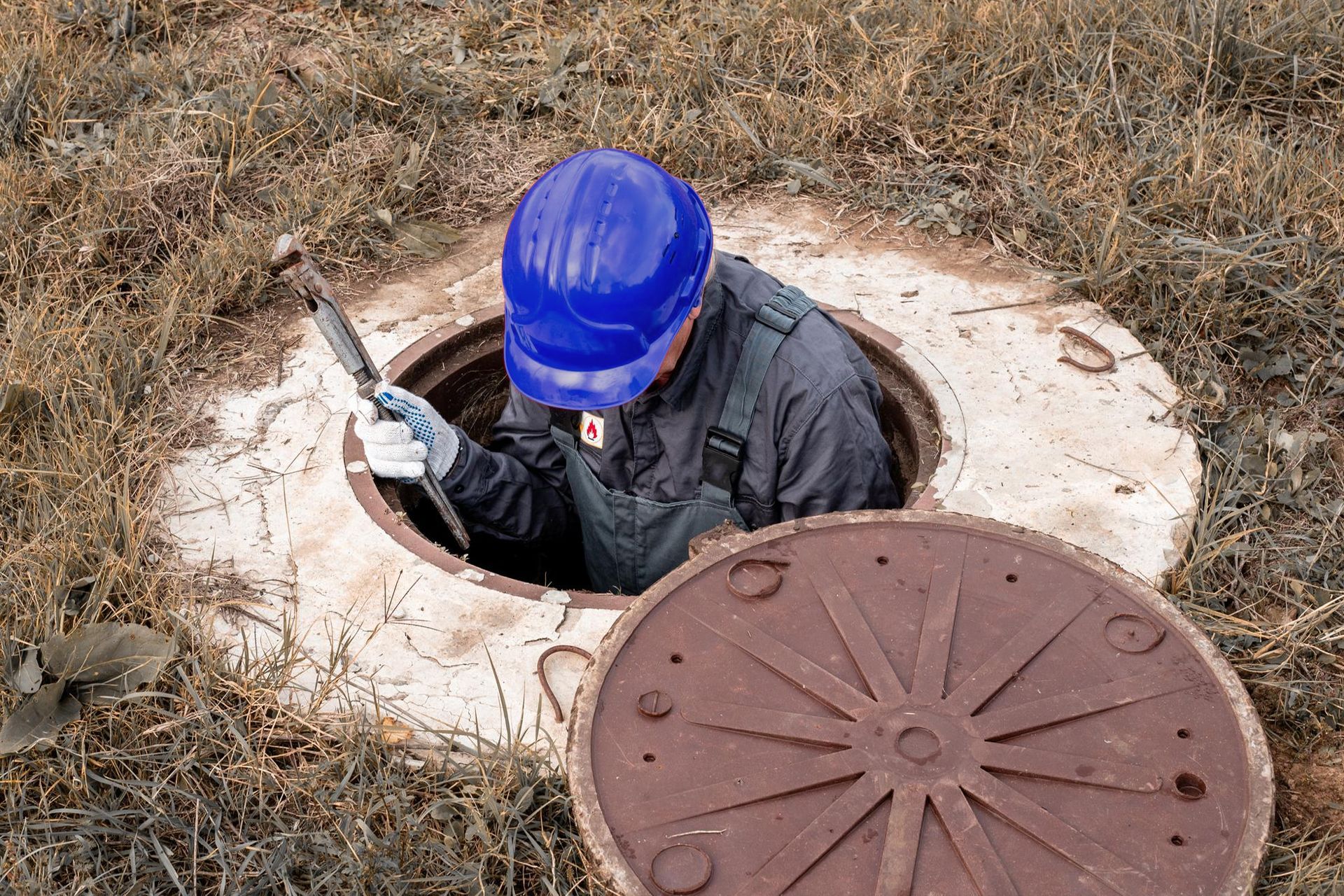
If several drains are slow or you have concerns about the underground sewer line, ask whether a sewer scope would be appropriate.
The visible plumbing inspection and a sewer camera inspection are different services.
Electrical System
The inspector may review accessible electrical components such as:
- Main panel
- Service equipment
- Outlets
- Switches
- Visible wiring
- GFCI protection
- Other visible electrical conditions
Electrical defects should not be diagnosed or repaired by a buyer during the inspection.
If significant concerns are found, further evaluation by a qualified electrician may be recommended.
Heating and Cooling
Central Florida homes depend heavily on air conditioning.
During the inspection, ask about:
- HVAC operation
- Visible equipment condition
- Thermostat operation
- Signs of leakage
- Approximate equipment age when available
- Areas that may need maintenance
An older system is not automatically defective, but knowing its condition can help you plan for future ownership.
Interior Areas
The inspector may evaluate visible conditions involving:
- Walls
- Ceilings
- Floors
- Doors
- Windows
- Stairs
- Railings
- Kitchens
- Bathrooms
Water stains, damaged surfaces, loose components, and signs of moisture deserve attention.
The important question is not whether a home looks perfect. It is whether visible findings suggest maintenance, repair, safety, or further evaluation needs.
What Questions Should You Ask the Home Inspector?
Inspection day is a good opportunity to learn.
Useful questions include:
- Is this a maintenance item or a defect?
- Is this concern urgent?
- Does this need further evaluation?
- Which type of contractor would evaluate this?
- Is there evidence of active moisture?
- Was any area inaccessible?
- Is this typical for a home of this age?
- What should I monitor after moving in?
- Is this included in your inspection scope?
- Should I consider an additional inspection?
Avoid asking the inspector to make decisions that belong to other professionals.
For example, your inspector can explain a condition, but your real estate agent or attorney should guide you on contract and negotiation matters.
Do Not Focus Only on Cosmetic Defects
Buyers often notice cosmetic conditions first because they are easy to see.
Examples include:
- Paint colors
- Small wall marks
- Worn carpet
- Cosmetic cabinet damage
- Minor finishes
Those may matter to you personally, but the professional inspection is more valuable when you pay attention to larger systems and conditions.
Focus closely on information involving:
- Water intrusion
- Roofing
- Structure
- Electrical safety
- Plumbing
- HVAC
- Drainage
- Moisture
- WDO activity
- Major equipment
Cosmetic work is often easier to plan than hidden system problems.
Home Inspection Checklist for Buyers in Central Florida
A Central Florida buyer may need to think about additional property conditions that are common in the region.
Depending on the home, useful questions may involve:
- Roof condition after years of sun and storms
- Moisture intrusion
- Indoor humidity
- HVAC condition
- Wind-resistant features
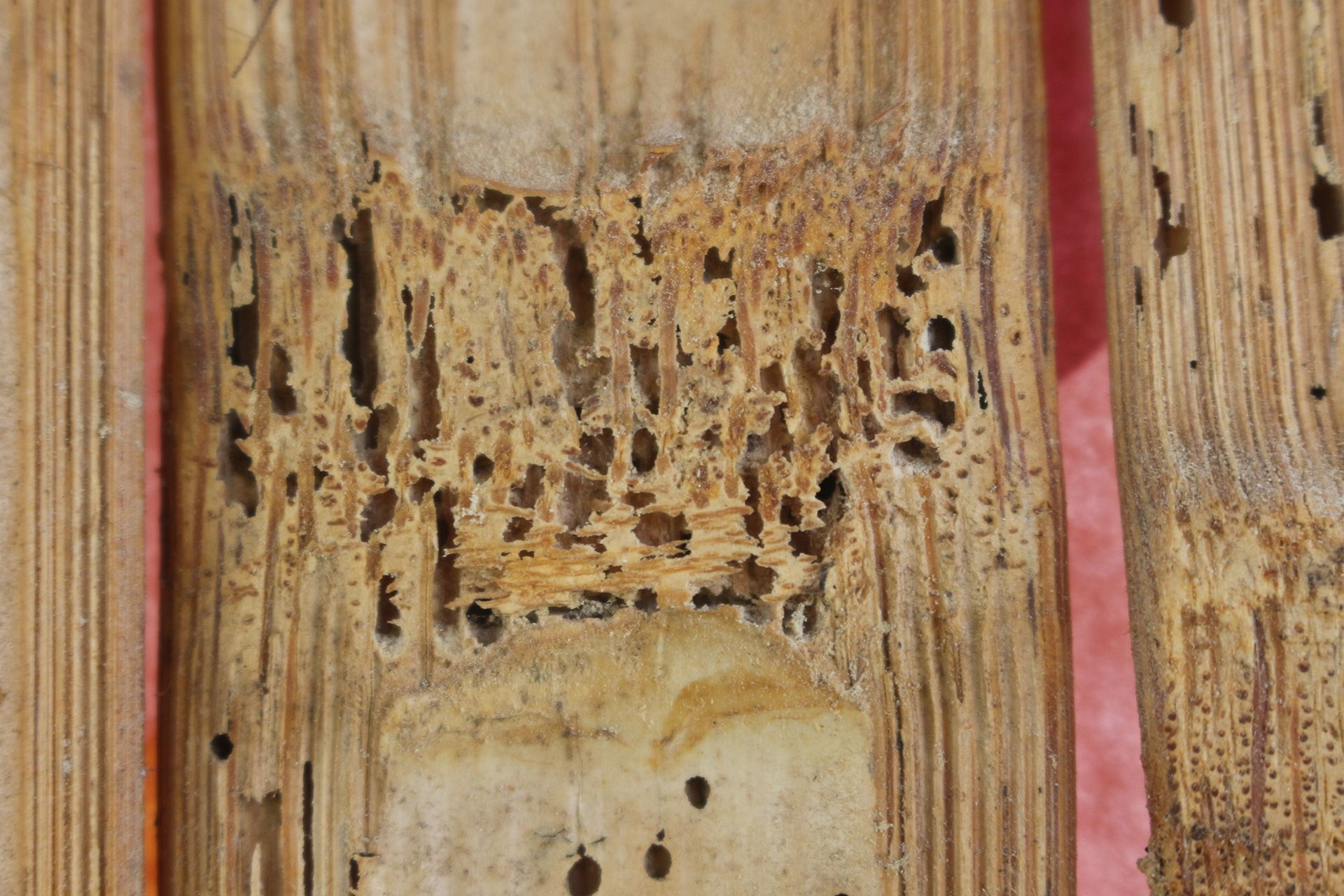
- WDO or termite activity
- Pools and spas
- Well water
- Sewer lines
- Manufactured-home foundations
- Solar systems
Not every property needs every additional service.
The goal is to understand what is relevant to the specific home you are buying.
For example, a house in The Villages with a pool may create different inspection priorities than an older property in Mount Dora or a newer home in Clermont.
What Should You Do After the Home Inspection?
The inspection is not finished when you leave the property.
The report is one of the most important parts of the process.
Read the Entire Report
Do not read only the summary.
The full report may contain:
- Photos
- System information
- Maintenance observations
- Safety concerns
- Defects
- Inspection limitations
- Areas that were not accessible
Read every section.
A long inspection report does not automatically mean the house is in poor condition. Inspectors document many items, including routine maintenance and informational observations.
Separate Major Concerns From Routine Maintenance
A home will rarely have zero findings.
Try to organize the report into categories:
Potentially significant
- Major water intrusion
- Structural concerns
- Important electrical issues
- Major roof defects
- Serious plumbing problems
Further evaluation
- Conditions requiring specialist review
- Areas that were inaccessible
- Systems needing more detailed testing
Maintenance
- Caulking
- Minor adjustments
- Normal wear
- Routine service items
This makes the report easier to understand.
Discuss Contract Decisions With the Right Professional
Your inspector explains the property's condition.
Your real estate professional or attorney can help with decisions related to the purchase agreement.
Depending on your contract and circumstances, you may discuss:
- Repair requests
- Further evaluations
- Seller documentation
- Other contract options
Avoid assuming that every item in the report must be repaired by the seller.
The report is primarily information to help you make an informed decision.
Get Specialist Evaluations When Needed
Some inspection findings require expertise outside a general home inspection.
For example, you may need:
- Roofer
- Electrician
- Plumber
- HVAC contractor
- Structural engineer
- Pest professional
- Pool specialist
If the inspector recommends further evaluation, try to complete it within the time allowed by your purchase agreement.
Use the Report After Closing
Do not put the inspection report away after buying the house.
It can become a useful ownership guide.
Use it to track:
- Maintenance
- Repairs
- System ages
- Monitoring items
- Future improvements
The report gives you a starting point for understanding the home on the day it was inspected.
Common Buyer Mistakes to Avoid
Even prepared buyers can make inspection-day mistakes.
Try to avoid these common problems.
Arriving Without Questions
If you noticed something during a showing, write it down beforehand.
It is easy to forget once the inspection begins.
Trying to Inspect Alongside the Professional
Observe and learn, but do not interfere with the inspector’s process.
Their inspection should remain systematic.
Focusing Only on Major-Looking Problems
A small water stain can sometimes deserve more attention than an ugly paint color.
Listen to the inspector’s explanation of why a finding matters.
Assuming the Inspector Can Predict the Future
A home inspection describes visible conditions at the time of inspection.
It cannot guarantee that a component will never fail later.
Skipping the Report
Even if you attended the inspection, read the written report carefully.
The report may contain information that was not discussed in detail during the walkthrough.
Final Thoughts
A good home inspection checklist for buyers is not about inspecting the house yourself. It is about preparing the right information, knowing what to bring to a home inspection, asking useful questions, and understanding what to do with the findings afterward.
If you have been wondering how should I prepare for a home inspection, start by reviewing the property information, writing down your concerns, confirming the inspection scope, and planning to attend when possible. Then give the inspector room to complete a thorough evaluation.
Full Circle Home Inspectors helps buyers throughout Central Florida better understand the condition of the homes they are considering. If you are purchasing a property in Tavares, Leesburg, Mount Dora, Clermont, Ocala, The Villages, or surrounding communities, contact Full Circle Home Inspectors to schedule your buyer’s home inspection and make your next property decision with clearer information.
Frequently Asked Questions
What should be on a home inspection checklist for buyers?
A buyer checklist should include preparation steps, questions about the property, major systems to discuss with the inspector, specialty inspections that may be needed, and tasks for reviewing the report afterward. It should help organize the process rather than replace a professional inspection.
What should I bring to a home inspection?
Bring your list of concerns, seller disclosures if available, your phone, a notebook or note-taking app, and comfortable shoes. You usually do not need to bring inspection tools because the inspector provides professional equipment.
How should I prepare for a home inspection as a buyer?
Review your inspection deadline, read property disclosures, write down concerns from previous visits, confirm what services are included, and plan to attend when possible. Ask about additional inspections if the property has features such as a pool, sewer line, well, or other specialized systems.
Should a buyer attend the home inspection?
Attending can be very helpful because you can see important findings and ask questions in person. Follow the inspector’s safety instructions and allow them to handle technical or hazardous areas.
Can I use a buyer checklist instead of hiring an inspector?
No. A checklist helps organize your observations and questions, but it does not replace the training, experience, tools, and systematic evaluation provided by a professional home inspector.
What should I ask after the inspection?
Ask which findings deserve prompt attention, whether further evaluation is recommended, which areas were inaccessible, and what maintenance you should plan for after buying the home.
Should I get additional inspections with my home inspection?
It depends on the property. Sewer scopes, mold testing, WDO inspections, pool inspections, water testing, and other specialized services may be useful when the home has relevant systems or risk factors.
Disclaimer: The information on this website and blog is for general informational purposes only and is not professional advice. We make no guarantees of accuracy or completeness. We disclaim all liability for errors, omissions, or reliance on this content. Always consult a qualified professional for specific guidance.
Search
Recent Posts