What Is a WDO Inspection And How It Can Benefit You
Owning a home is a big responsibility, and protecting it should always be a top priority. One important service many homeowners and buyers hear about is a WDO inspection. If you are buying, selling, or maintaining a home, understanding what a Wood Destroying Organism Inspection is, and why it matters, can help you avoid costly surprises.
This guide explains everything you need to know about WDO inspections, including termite inspections, in simple terms.
What Is a WDO Inspection?
A WDO inspection stands for Wood Destroying Organism Inspection. It is a professional inspection that checks a home for insects and organisms that damage wood. Since wood is a key part of most homes, any damage to it can affect safety, structure, and value.
Many people think a WDO inspection is only a termite inspection, but it actually looks for several types of organisms that harm wood, not just termites.
What Are Wood-Destroying Organisms?
Wood-destroying organisms are insects or fungi that feed on or weaken wood. Common examples include:
- Termites
–
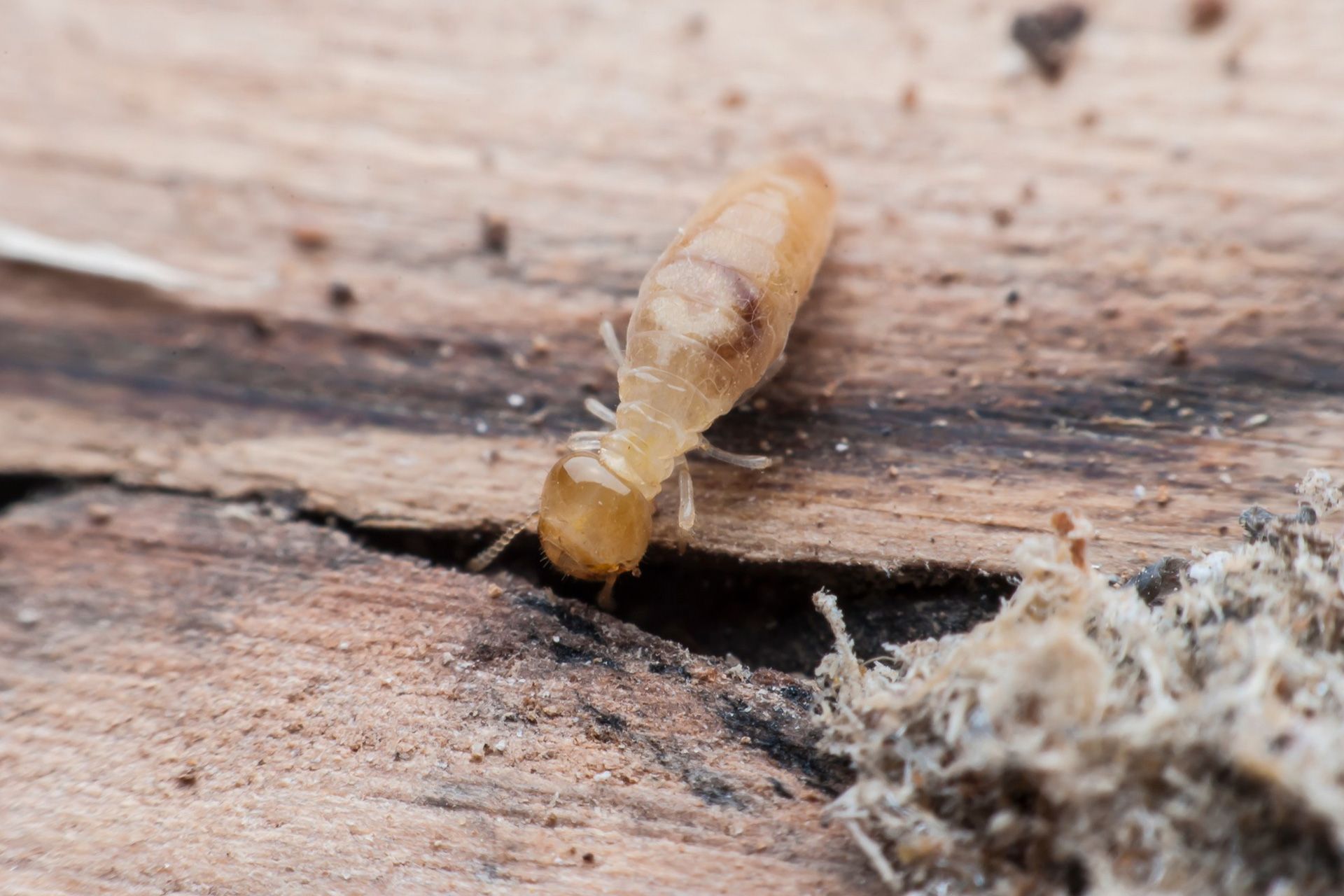
insects that eat wood from the inside out
- Powderpost beetles
–
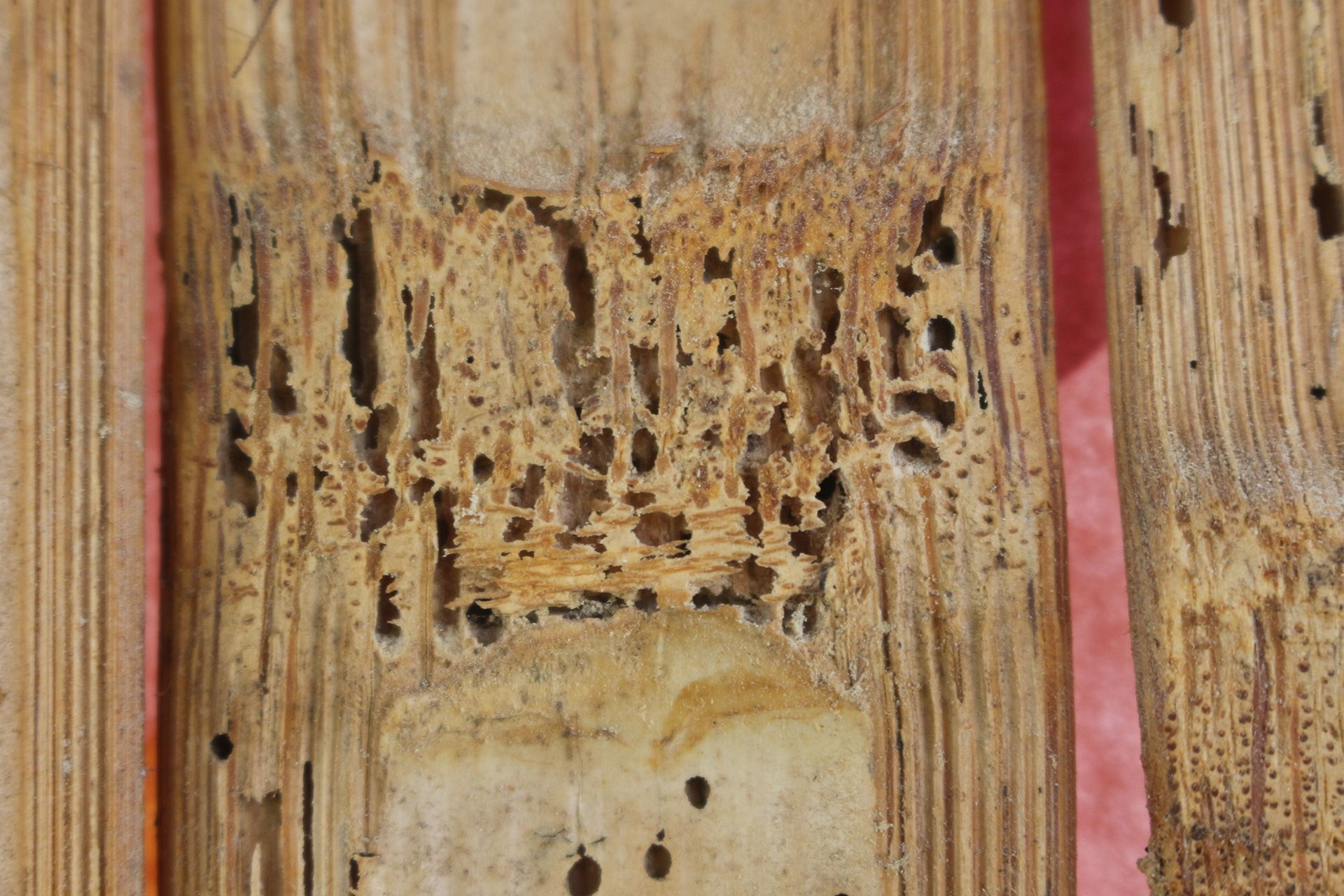
insects that leave small holes and fine dust
- Wood-decaying fungi
–
fungi that cause wood to rot when moisture is present
Even though these organisms may be small, the damage they cause can be serious and expensive if not found early.
What Happens During a WDO Inspection?
During a Wood Destroying Organism Inspection, a trained inspector carefully checks areas of the home where wood damage is most likely to occur.
Exterior Areas Checked
- Foundation and crawl spaces
- Exterior walls and wood siding
- Decks, porches, and patios
- Areas where wood touches soil
Interior Areas Checked
- Attics and basements
- Floor joists and support beams
- Door and window frames
- Baseboards and trim
The inspector looks for visible damage, signs of active insects, and conditions like moisture that can attract wood-destroying organisms.
After the inspection, you receive a report explaining what was found and whether treatment or repairs are needed.
Why Is a WDO Inspection Important?
A WDO inspection provides several important benefits:
Protects Your Home’s Structure
Wood damage can weaken beams, floors, and walls. Catching problems early helps keep your home safe and stable.
Helps You Avoid Expensive Repairs
Repairing structural wood damage can cost thousands of dollars. A WDO inspection helps find issues before they get worse.
Supports Real Estate Transactions
Many lenders require a Wood Destroying Organism Inspection before approving a mortgage. A clean report can help avoid delays during closing.
Maintains Property Value
Homes with wood damage may lose value. Regular inspections help protect your investment.
WDO Inspection vs. Termite Inspection
While they sound similar, these inspections are not the same:
- A
termite inspection
focuses only on termites
- A
WDO inspection
looks for termites and other wood-destroying insects and fungi
Because it covers more potential problems, a WDO inspection gives a more complete picture of wood health in a home.
When Should You Get a WDO Inspection?
You should consider a WDO inspection in several situations:
When Buying a Home
Most buyers need one before closing. It helps confirm the home does not have hidden wood damage.
Before Selling a Home
Getting an inspection early can prevent surprises and make the selling process smoother.
As Part of Routine Home Maintenance
Even if you are not buying or selling, regular inspections help catch problems early, especially in areas where termites are common.
How Long Does a WDO Inspection Take?
Most WDO inspections take between 30 minutes and one hour, depending on the size of the home and how accessible the inspection areas are.
After the inspection, you will receive a written report showing:
- Any signs of wood-destroying organisms
- Areas of concern
- Recommended next steps, if needed
Final Thoughts
A WDO inspection is an essential step in protecting your property and your investment. Whether you are buying a home, selling one, or maintaining your current property, identifying wood-destroying organisms early can help prevent costly repairs and structural damage.
By understanding what a WDO inspection includes and how it benefits you, you can make informed decisions and avoid unexpected issues during real estate transactions. For reliable and professional WDO inspections, contact
Full Circle Home Inspection. Their experienced team provides thorough inspections, clear reports, and the peace of mind you need to move forward with confidence.
Frequently Asked Questions (FAQs)
Is a WDO inspection required when buying a home?
In many cases, yes. A Wood Destroying Organism (WDO) inspection is often required as part of the home-buying process to check for termite or other pest-related damage
How much does a WDO inspection cost?
Costs vary by location and home size, but most inspections fall within a reasonable range.
What happens if termites or other WDOs are found?
The inspector will note the findings and recommend treatment. A licensed pest control company can address the problem.
How often should a WDO inspection be done?
Many homeowners choose to have one every year or every few years, especially in high-risk areas.
Why should I choose Full Circle Home Inspection for my WDO inspection?
Full Circle Home Inspection provides thorough WDO inspections performed by trained professionals who understand local property conditions. Their detailed reports help buyers, sellers, and homeowners make confident, informed decisions.
Disclaimer: The information on this website and blog is for general informational purposes only and is not professional advice. We make no guarantees of accuracy or completeness. We disclaim all liability for errors, omissions, or reliance on this content. Always consult a qualified professional for specific guidance.
Search
Recent Posts