Hidden Home Inspection Costs: What Buyers and Sellers Should Know
Buying or selling a home is exciting, but it can also come with surprise costs. One expense that often catches people off guard is the home inspection. While many buyers and sellers expect to pay a basic inspection fee, there are often hidden home inspection costs that are not talked about upfront.
Understanding the true cost of home inspection can help you plan better, avoid stress, and make smarter decisions. In this guide, we break down what buyers and sellers should know about hidden inspection costs and how to prepare for them.
What Is a Home Inspection?
A home inspection is a visual check of a home’s major systems and structure. It looks at things like:
- Roof
- Foundation
- Electrical systems
- Plumbing
- HVAC (heating and cooling)
- Walls, floors, and ceilings
The goal is to find issues that may affect safety, value, or future repair costs. While the inspection itself is straightforward, the final bill may not always be.
Average Cost of a Home Inspection in the U.S.
The cost of home inspection in the United States usually ranges widely for a standard single-family home. Larger homes or older properties may cost more.
However, this base price often does not include extra services that many homes need. These add-ons are where hidden home inspection costs come into play.
Common Hidden Home Inspection Costs
1. Additional Inspection Services
A standard home inspection does not cover everything. Depending on the home, you may need extra inspections, such as:
- Radon testing
- Mold inspection
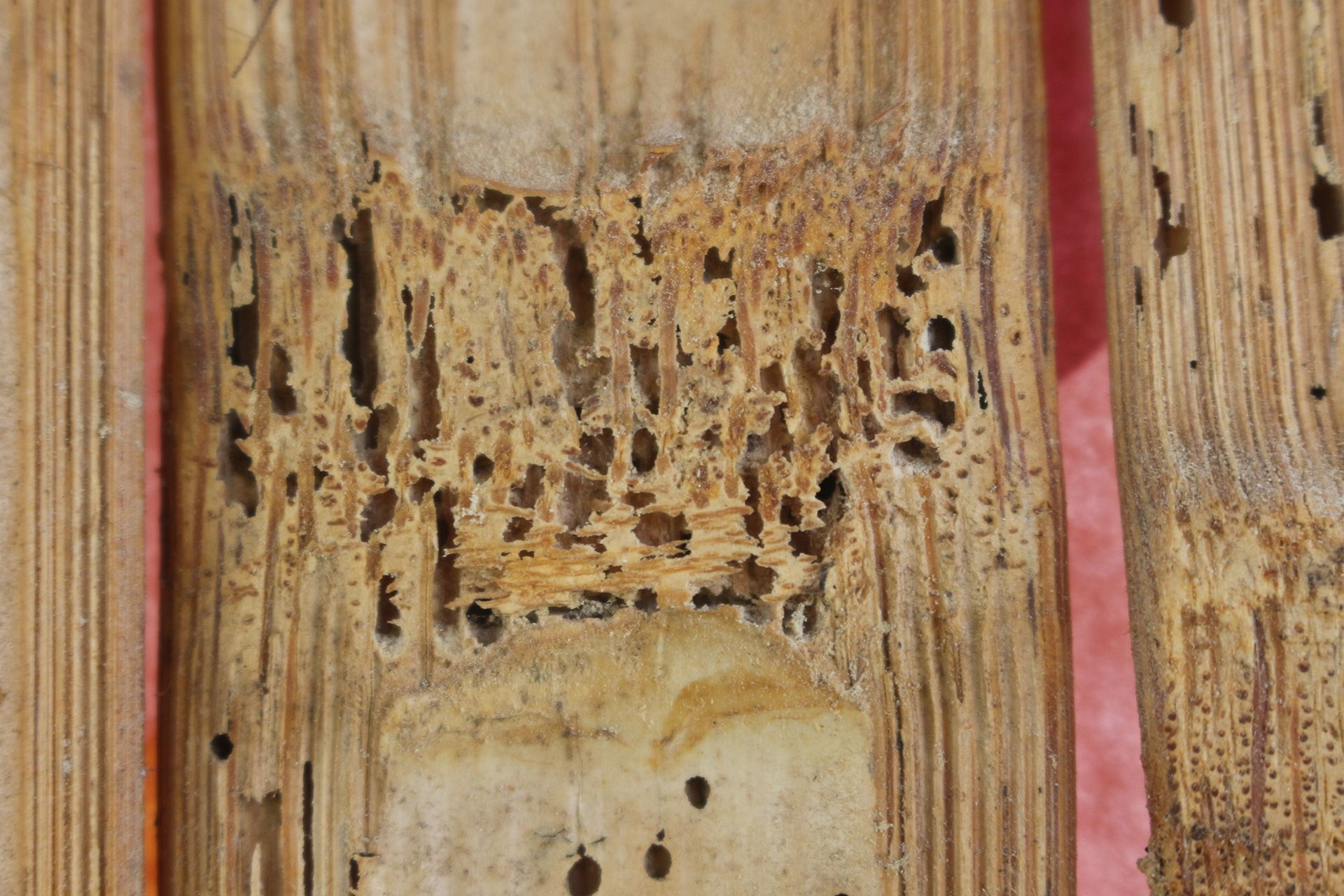
- Termite or pest inspection
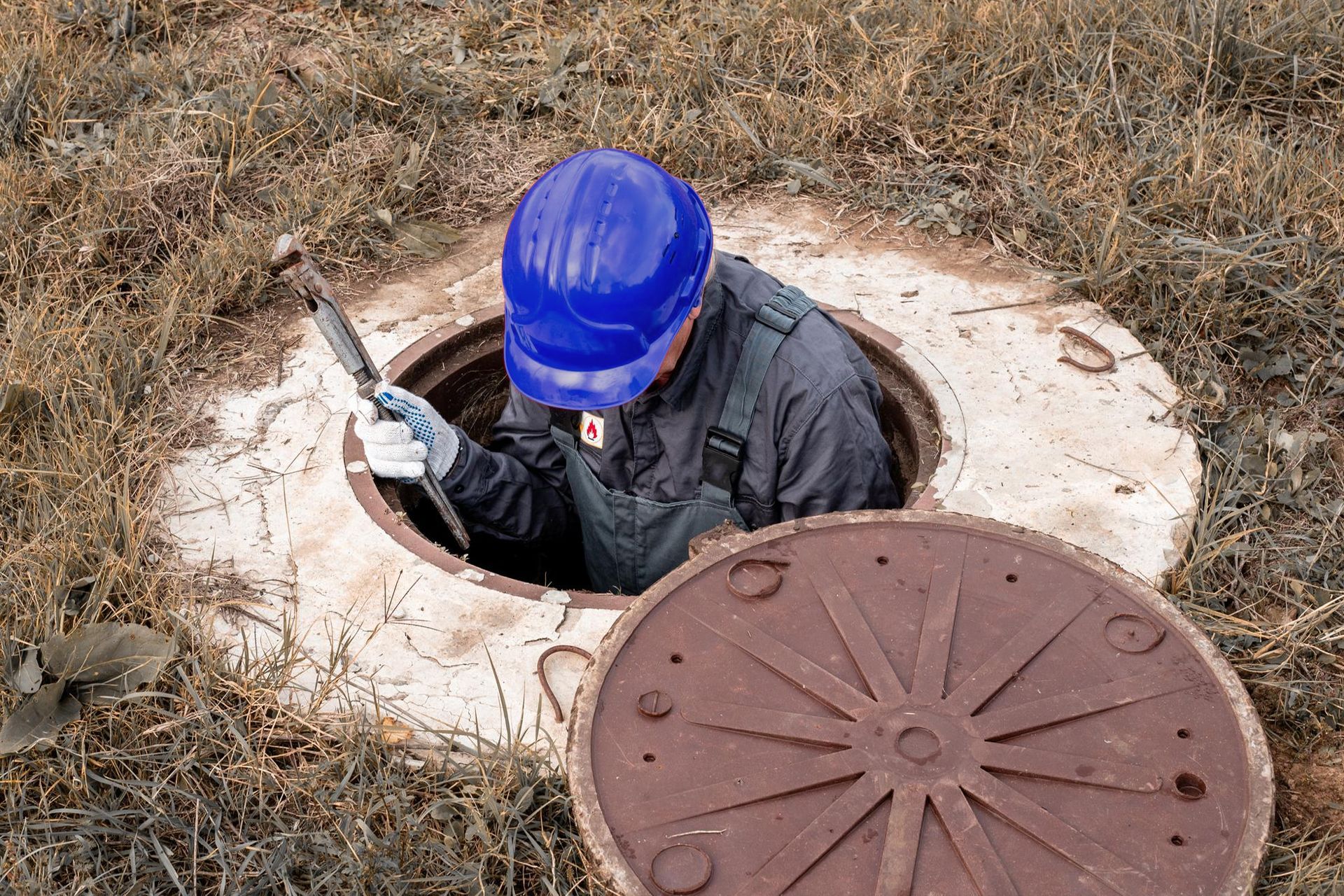
- Sewer scope inspection
- Well or septic inspection
Each of these services usually costs extra.
2. Older Homes Can Cost More
If a home is more than 30 years old, inspectors may need more time to check outdated systems. Older wiring, plumbing, or roofing can increase inspection time and cost.
Some inspectors charge higher fees for older homes due to the added risk and detail required.
3. Larger Homes Mean Higher Costs
The size of the home matters. Bigger homes take longer to inspect and often have more systems to review.
4. Crawl Spaces and Attics
Homes with tight crawl spaces or hard-to-reach attics can add to inspection costs. These areas take more effort and may require special tools or safety steps.
In some cases, inspectors may charge an access or safety fee.
5. Same-Day or Rush Inspections
If you are on a tight deadline, you may request a rush inspection. Many inspection companies charge extra for:
- Same-day inspections
- Weekend inspections
- Short-notice bookings
6. Re-Inspections After Repairs
If the seller agrees to make repairs, buyers often request a re-inspection to confirm the work was done correctly.
Re-inspection fees are usually lower than the first visit, but they still cost money.
7. Specialized Equipment Fees
Some inspections require advanced tools like thermal imaging cameras or moisture meters. While helpful, these tools may not always be included in the base price.
Using specialized equipment can slightly increase hidden home inspection costs.
Hidden Costs Sellers Should Know About
Home inspections don’t just affect buyers. Sellers may also face unexpected costs.
Pre-Listing Inspections
Some sellers choose to get a home inspection before listing their property. This can help avoid surprises later, but it is an added upfront cost.
Repair Requests
Once buyers receive the inspection report, they may ask for repairs or price reductions. Even small issues can add up quickly if not planned for.
Why Skipping an Inspection Can Cost More
Some buyers think skipping a home inspection will save money. In reality, this can be risky.
Hidden problems like roof leaks, electrical issues, or foundation damage can cost thousands of dollars to fix later. Paying for a proper inspection upfront is often much cheaper than unexpected repairs after closing.
How to Reduce Hidden Home Inspection Costs
Here are a few smart ways to manage inspection expenses:
- Ask what is included in the base price
- Request a full price list for add-on services
- Choose only inspections that apply to your home
- Hire a trusted, experienced inspector
- Schedule inspections early to avoid rush fees
Clear communication with your inspector can help you avoid surprises.
Why Choosing the Right Inspector Matters
Not all inspection companies are the same. A professional inspector will explain pricing clearly and help you understand which services you really need.
At Full Circle Home Inspectors, transparency and education are key. Knowing what to expect helps buyers and sellers make confident decisions without hidden costs.
Hidden Home Inspection Costs vs. Long-Term Savings
While inspection add-ons may seem expensive, they often save money in the long run. Finding issues early can:
- Prevent major repair bills
- Strengthen negotiation power
- Improve peace of mind
- Protect your investment
Understanding the real cost of home inspection helps you see the value beyond the price.
Final Thoughts
Understanding hidden home inspection costs helps both buyers and sellers avoid stress and make informed choices. While the cost of home inspection may vary, the value of knowing your home’s condition is priceless.
Schedule your professional home inspection with
Full Circle Home Inspectors today and move forward with confidence.
Frequently Asked Questions (FAQs)
What is included in a standard home inspection?
A standard inspection includes visible checks of major systems like roofing, plumbing, electrical, HVAC, and structure. It does not include specialized tests unless added.
Are hidden home inspection costs avoidable?
Some are avoidable with planning, but many depend on the home’s condition and location. Asking upfront questions helps reduce surprises.
Who pays for the home inspection?
In most cases, the buyer pays for the inspection. Sellers may pay for pre-listing inspections if they choose.
Is a more expensive inspection always better?
Not always, but very cheap inspections may skip important details. Quality, experience, and clear reporting matter more than price alone.
Do home inspections affect closing costs?
Inspection fees are usually paid separately and are not included in closing costs, but repair negotiations can affect the final deal.
Disclaimer: The information on this website and blog is for general informational purposes only and is not professional advice. We make no guarantees of accuracy or completeness. We disclaim all liability for errors, omissions, or reliance on this content. Always consult a qualified professional for specific guidance.
Search
Recent Posts