Beyond the Basics: Specialized Inspections for Unique Properties
When you’re buying or selling a home, a standard home inspection checks the basics, like the roof, plumbing, and electrical systems. But what if the property you’re dealing with is different? Some homes need more than a typical inspection. That’s where specialized home inspections come in. These inspections go deeper and focus on areas that are unique or unusual.
In this article, we’ll explain the many types of unique property inspections, why they matter, and how they help protect your investment. Whether you’re buying a historic house, a waterfront home, or a property with custom features, this guide will help you understand what to expect.
What Are Specialized Home Inspections?
A standard home inspection reviews major systems in a home. But a specialized inspection looks at specific parts of a property that may not be covered in a normal inspection. These extra evaluations help you uncover problems that could cost a lot of money to fix later.
Specialized home inspections are tailored to the property’s unique features. For example, homes with wells, septic systems, or fireplaces may need extra attention from trained inspectors.
Why Choose Unique Property Inspections?
Some homes are just different from the average house. When you own or plan to buy one of these special homes, it’s important to know everything about it. Here’s why unique property inspections are so valuable:
- Reveal hidden issues:
Standard inspections might miss unique problems.
- Save money:
Finding problems early can prevent costly repairs.
- Objectivity:
You get unbiased information about the home’s condition.
- Peace of mind:
You know exactly what you’re buying.
Top Specialized Home Inspections for Unique Properties
1. Historic Home Inspections
Homes that are over 50 years old may have outdated systems, old wiring, or aging materials. A historic home inspection focuses on:
- Original building materials
- Structural concerns due to age
- Signs of decay or wear in older wood or brick
Inspectors with experience in historic homes know what to look for and can explain how to preserve the home’s character.
2. Waterfront Property Inspections
Waterfront homes are beautiful but face unique challenges. They are exposed to water, weather, and shifting ground. A waterfront inspection focuses on:
- Erosion and soil movement
- Water intrusion risks
- Dock and seawall stability
This type of unique property inspection helps buyers know how water may affect the home over time.
3. Sewer Scope Inspections
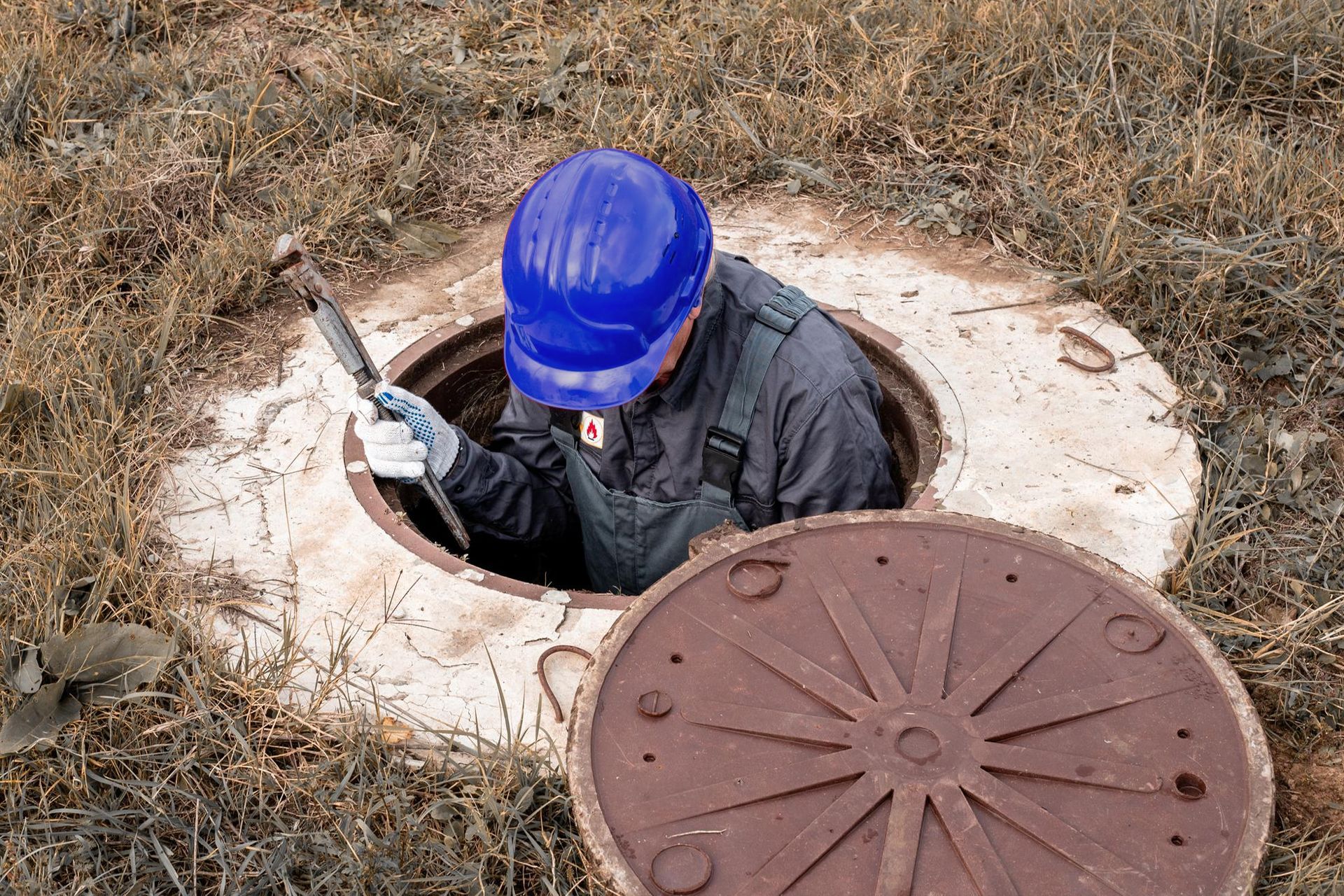
A sewer scope inspection involves running a specialized high-definition camera through your property’s lateral sewer line, from the exterior cleanout to the septic tank or city connection. This process allows us to identify problems that are invisible during a standard home inspection.
4. Wood Destroying Organism (WDO) Inspection
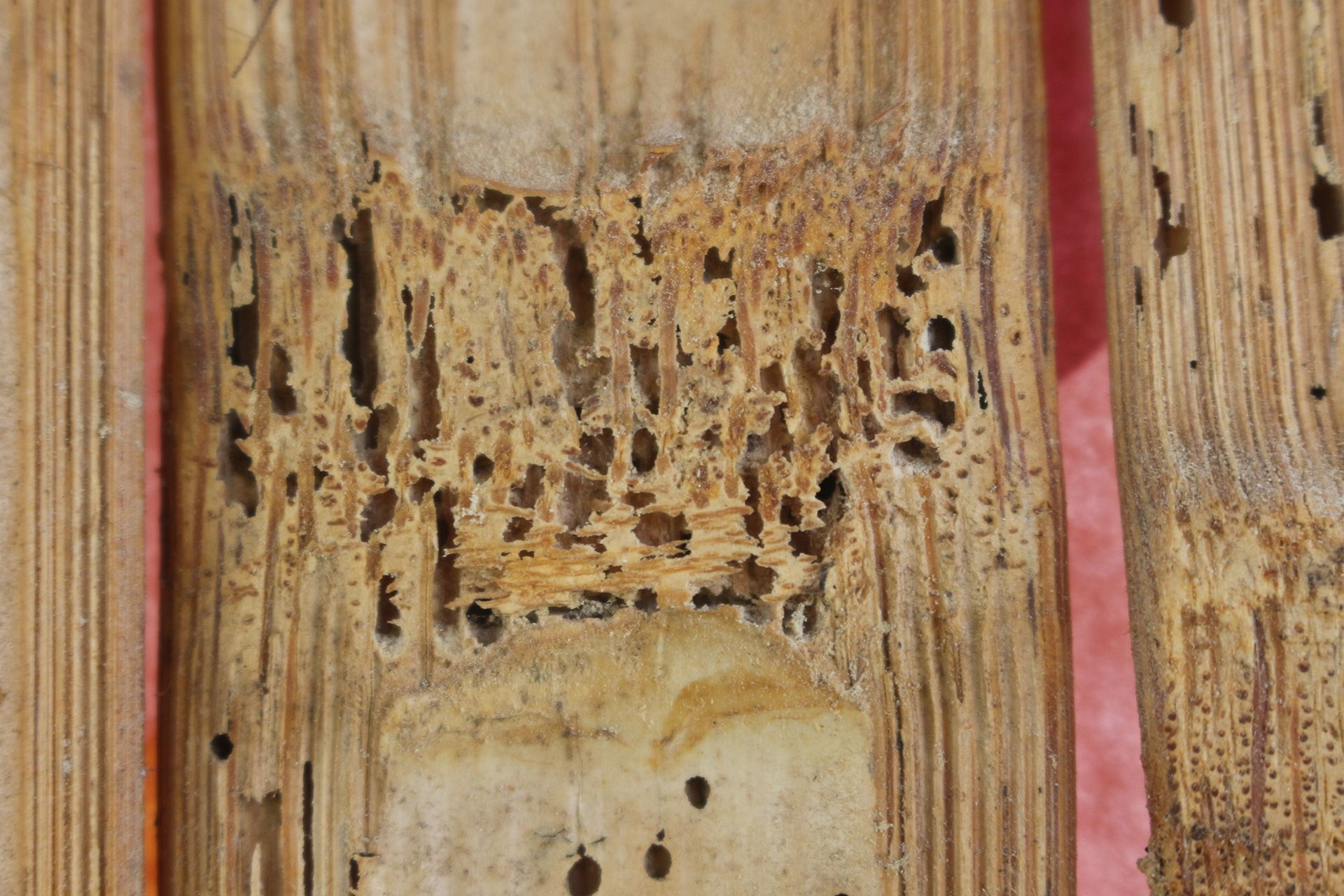
A WDO Inspection is a thorough examination of a home or property for evidence of termites, carpenter ants, powderpost beetles, and wood-decaying fungi. In Florida, WDO inspection is often required by lenders before a home sale, but many homeowners also request it for ongoing protection.
Some signs that your home may need a WDO inspection include:
- Small holes in wood structures
- Crumbling wood or sawdust-like material
- Swarmers (winged insects) indoors
- Weak or hollow-feeling wood
- Moist or water-damaged areas
5. Pool and Spa Inspections
Swimming pools and spas are fun, but they add extra maintenance and safety responsibilities. A pool inspection includes:
- Checking the pool structure
- Verifying proper filtration and pump systems
- Ensuring safety features are in place
Pool and Spa inspection helps you avoid costly surprises after buying a home with a pool.
6. Mold and Allergen Particle ID Testing
For homeowners concerned about air quality, especially in older homes or properties with a history of moisture issues, Mold and Allergen Particle ID testing is essential. This inspection identifies the presence of harmful mold spores and allergens in the home, helping you prevent potential health risks and maintain a safe living environment
7. Engineering Foundation and Additions Inspections
Mobile and manufactured homes have unique structural considerations. Engineering foundation inspections ensure that the home’s base is secure and properly supported, while engineering additions inspections evaluate any modifications or extensions to the property. These inspections provide peace of mind that both the original structure and any added components meet safety and building standards.
When Do You Need Specialized Inspections?
You might want one or more of these inspections when:
- The property is historic or old
- It sits on unique land (like a cliff, lake, or flood plain)
- It has non-standard features (such as solar panels, wells, or custom roofing)
- You plan to finance or insure the property
Even if the seller already had an inspection, you should consider your own specialized home inspections. That way, you are protected and informed.
How Much Do Specialized Property Inspections Cost?
Costs vary based on the type of inspection and property size. Some inspections are inexpensive, while others, like sewer scope or structural engineering evaluations, may cost more.
Although these inspections add to your upfront costs, they help you avoid major repairs later. In the long run, they can save you thousands of dollars.
How to Choose the Right Inspector
Choosing a qualified inspector is critical. Here’s how to find the right one:
- Look for inspectors who are licensed and insured
- Choose someone with experience in the specific inspection you need
- Read online reviews and ask for references
- Ask if they use advanced tools (like thermal imaging)
A good inspector will explain what they do and share clear, written reports after the inspection.
Specialized Home Inspections vs. Standard Inspections
| Feature | Standard Inspection | Specialized Inspection |
|---|---|---|
| Basic structure & systems | ✅ | ❌ (only general) |
| Sewer Scope Inspection | ❌ | ✅ |
| WDO Inspection | ❌ | ✅ |
| Historic building concerns | ❌ | ✅ |
| Waterfront/terrain risks | ❌ | ✅ |
| Mold and Allergen Particle ID Testing | ❌ | ✅ |
| Engineering Foundation and Additions Inspections | ❌ | ✅ |
Standard home inspections are great for most homes — but
unique property inspections go beyond the basics to focus on special risks and features that matter.
Buying a home is one of the biggest decisions you’ll ever make. Don’t skip the details. Specialized home inspections and unique property inspections give you confidence and clarity before you commit.
Call Full Circle Home Inspectors today to schedule your specialized inspection and protect your investment!
Frequently Asked Questions (FAQs)
What is a specialized home inspection?
It is an extra inspection that focuses on a specific part of a home that a standard inspection may not cover.
Do I need all types of unique property inspections?
Not always. It depends on the property type and location. A licensed inspector can tell you which ones are necessary.
How long does a specialized inspection take?
Most take between 30 minutes to a few hours, depending on the size and complexity of the property.
Can specialized inspections help me avoid costly repairs?
Yes. These inspections can uncover hidden issues early, allowing you to address problems before they turn into expensive repairs after purchase.
Are specialized inspections worth it?
Yes! They help protect your investment and prevent expensive surprises later.
Disclaimer: The information on this website and blog is for general informational purposes only and is not professional advice. We make no guarantees of accuracy or completeness. We disclaim all liability for errors, omissions, or reliance on this content. Always consult a qualified professional for specific guidance.
Search
Recent Posts