The Complete Guide to FHA Home Inspection Checklists
Buying a home with an FHA loan can be a smart way for many borrowers to get financing. But before approval, lenders usually require a home inspection to ensure the property meets safety and quality standards.
Many buyers ask: “What are the FHA home inspection requirements? How do FHA housing inspection requirements work? What must pass to close an FHA loan?”
This guide explains everything clearly, step by step, including the checklist items, common pitfalls, and how Full Circle Home Inspectors can help you navigate the process with confidence.
What Is an FHA Home Inspection?
An FHA home inspection is a close look at a home’s condition, required by most lenders when you use an FHA loan to buy a property. FHA stands for the Federal Housing Administration, part of the U.S. Department of Housing and Urban Development (HUD).
FHA inspections are not done by the government. Instead, your inspector may recommend certain types of inspection options that will meet FHA housing inspection requirements designed to make sure the home is safe, sound, and structurally stable before the loan is approved.
The goal is to protect both the homeowner and the lender by identifying items that may affect safety or long‑term value.
Why FHA Home Inspection Requirements Matter
FHA loans are popular because they allow buyers to put down smaller down payments than conventional loans. However, FHA lenders still want to protect their investment.
If a home fails any portion of the inspection due to safety, structural, or major health concerns, the loan could be delayed or denied. FHA inspection requirements help ensure the home is move‑in ready and meets minimum safety standards.
Meeting these requirements can also help you avoid unexpected costs and repairs after closing.
FHA Home Inspection vs. Standard Home Inspection
While a standard home inspection evaluates all systems in the home, FHA inspection requirements are more strict about life‑safety and structural soundness.
A typical standard home inspection checks:
- Roof condition
- Plumbing system
- Electrical system
- HVAC
- Foundation and structure
An FHA inspection includes these but also focuses on more specific safety concerns required by FHA rules. The types of inspections FHA may require in addition to your standard home inspection are:
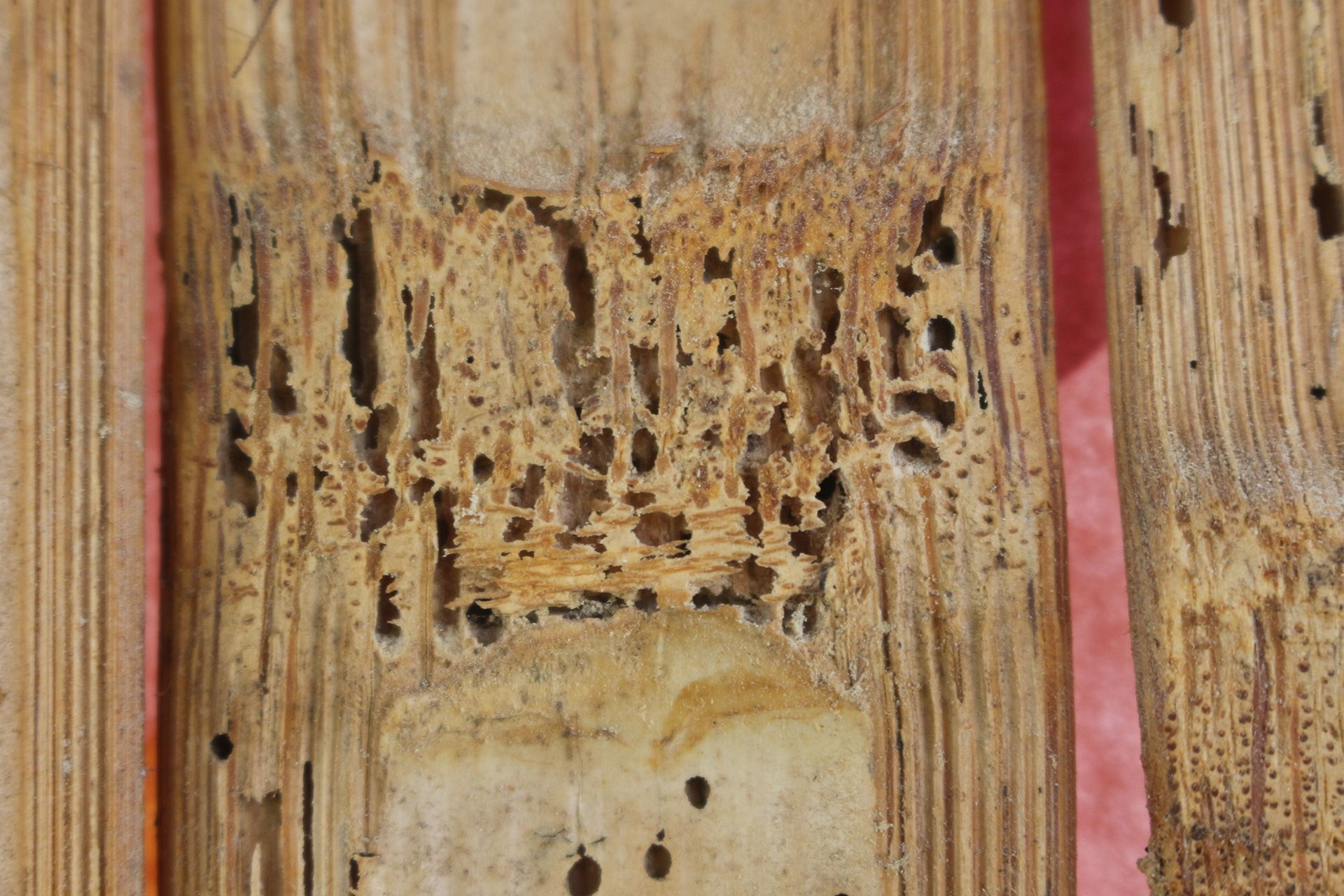
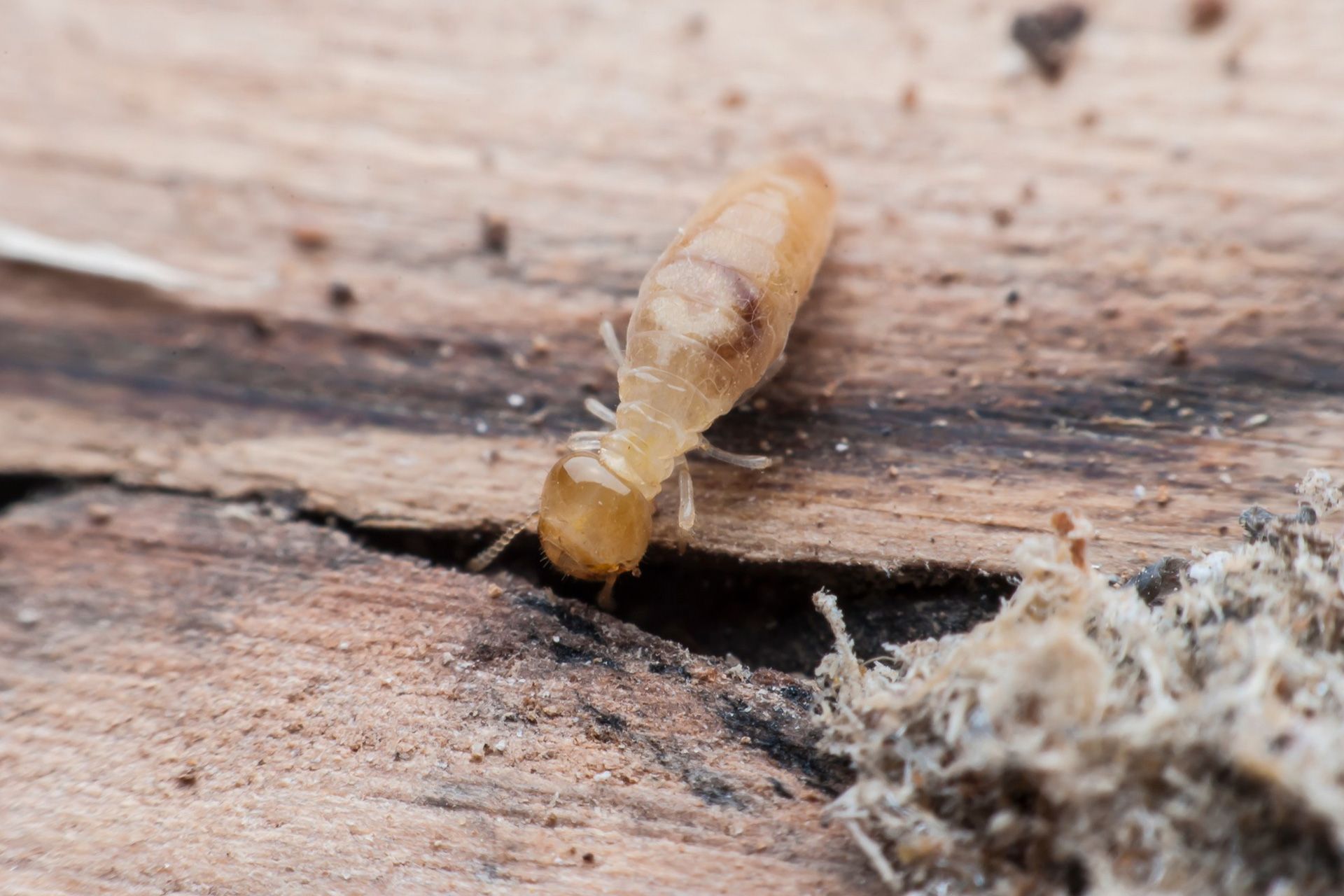
- WDO (Wood Destroying Organism Inspections)
- Water Quality Testing (Especially if the home is on a well)
- Engineering Foundation Certifications (For Mobile/Manufactured Homes)
- Engineering Additions Certifications (For Mobile Manufactured Homes)
In practice, many inspectors like Full Circle Home Inspectors perform both — a standard inspection and FHA‑focused specialized inspections— so buyers get a complete picture.
FHA Loan Home Inspection Requirements Checklist
Below is a breakdown of the most common elements FHA inspectors evaluate:
1. Structural Integrity
- Foundation stability
- Walls with cracks or bowing
- Floors and ceilings that are level and safe
- Signs of structural damage
2. Roofing
- Missing or broken shingles
- Leaks or water stains
- Roof age and condition
3. Electrical System
- Safe wiring
- Functional outlets and switches
- No exposed wires
- Proper grounding
4. Plumbing System
- No active leaks
- Functional fixtures
- Hot and cold water delivery
- No rusted or corroded pipes
5. Heating & Cooling
- HVAC systems must work safely
- No exposed fuel lines
- Proper ventilation
6. Exterior Safety
- Safe stairs and railings
- No trip hazards
- Proper drainage
- No peeling paint (especially on older homes)
7. Interior Safety
- Functional smoke and carbon monoxide detectors
- No significant trip hazards
- No broken windows or doors
8. Water Drainage & Damage
- Standing water near foundation
- Evidence of past flooding
- Soggy or damp basement
If inspectors find serious hazards, FHA may require repairs before loan approval.
What Happens During an FHA Home Inspection
Here’s how the process unfolds:
1. Schedule Your Inspection
Buyers typically schedule soon after an accepted offer. Prior to scheduling your inspection inquire with your lender if there will be any additional specialized inspections required such as the WDO (Wood Destroying Organism Inspection), Water Quality Testing and/or Engineering Foundation and/or Engineering Additions Reports. Please note the Engineering Foundation and Engineering Additions Report is only required if you are purchasing a mobile/manufactured home. Be sure to use an inspector experienced with FHA loan home inspection requirements.
2. On‑Site Evaluation
The inspector reviews all major systems and safety items on the checklist.
3. Detailed Reporting
You receive a written report with all findings, including photos and notes on any required repairs.
4. Repair Negotiation
If issues appear, the buyer and seller negotiate:
- Repairs before closing
- Price adjustments
- Credits toward repairs
5. Loan Approval
Once FHA requirements are satisfied and any negotiated repairs are made, the loan can proceed to closing.
Common FHA Inspection Fail Points
Some of the most common issues that trigger required repairs include:
- Roof leaks or poor condition
- Electrical hazards like exposed wires
- Plumbing leaks or outdated piping
- Uneven floors or structural cracks
- Missing handrails or unsafe stairs
- Poor drainage near the foundation
- Excessive mold or moisture issues
If a home has major safety problems, FHA may not approve the loan until repairs are completed.
How to Prepare for an FHA Inspection
Preparation can help your inspection go smoothly:
1. Fix Obvious Issues Ahead of Time
Take care of:
- Leaky faucets
- Loose railings
- Broken windows
- Damaged roofing
2. Clean and Clear Access
Make sure attics, crawl spaces, and utility areas are accessible.
3. Test Safety Equipment
Check smoke detectors, carbon monoxide detectors, and other built‑in safety features.
4. Help Your Inspector
Be ready to answer questions and point out recent repairs or upgrades.
Working with a Professional Inspector
A professional inspector brings expertise, clarity, and peace of mind. FHA inspections are more than a visual walk‑through. A trained inspector knows what FHA requires and how to document findings properly.
Full Circle Home Inspectors provides comprehensive home and FHA inspection services in Florida. Their reports help buyers understand issues, prepare for repairs, and meet FHA home inspection requirements efficiently.
FHA Inspection Requirements for Older or Mobile/Manufactured Homes
Older homes or Mobile Manufactured Homes often need more attention. Florida has many homes with unique features like:
- High humidity, which can lead to moisture issues
- Storm damage from hurricanes
- Older electrical or plumbing systems
- Foundation or Additions requiring Engineering Certification in Mobile/Manufactured Homes
Inspectors familiar with Florida homes know what to look for and how to report conditions so buyers and lenders can move forward with confidence.
Costs of FHA Home Inspections
FHA home inspection costs are not fixed and can vary based on several inspection-related factors.
These include the property’s size, age, construction type, accessibility of systems, and the overall condition of the home.
What if the Home Fails the Inspection?
If the report notes items that don’t meet FHA requirements, both buyer and seller have options:
1. Seller Makes Repairs
The seller fixes items before closing. This is the most common solution.
2. Price Negotiation
Buyers can ask for a repair credit or lower sale price to address issues after closing.
3. Walk Away
If the repair costs are too high or the seller refuses to fix issues, buyers can cancel under the inspection contingency.
It’s important to work closely with your real estate agent and inspector to decide the best outcome.
Conclusion
FHA home inspection requirements are designed to protect borrowers and lenders by ensuring a home is safe and structurally sound before approving an FHA loan. Understanding the FHA housing inspection requirements helps buyers avoid surprises, negotiate wisely, and move forward with confidence.
Whether you’re buying your first home or your next property, partnering with a knowledgeable inspector like Full Circle Home Inspectors ensures the inspection is thorough, well‑documented, and meets all FHA guidelines. Their experience helps you understand issues clearly and make smart decisions before closing.
FAQs – FHA Home Inspection Requirements
What are FHA home inspection requirements?
They are standards set by FHA for a home to be considered safe and structurally sound for an FHA loan.
Are FHA inspections the same as standard home inspections?
FHA inspections include standard checks plus specific safety and structural points required by FHA guidelines.
Can I use my own inspector for an FHA inspection?
Yes. Choose a licensed inspector familiar with FHA inspection requirements, such as Full Circle Home Inspectors.
What happens if a home fails the FHA inspection?
The buyer can negotiate repairs, request credits, or cancel the sale under inspection contingencies.
Do FHA inspections check for mold?
While not required by FHA, inspectors often note moisture or potential mold areas, as these impact safety and home condition.
Can older homes pass FHA inspections?
Yes, as long as they meet safety, structural, and system requirements.
How long does an FHA home inspection take?
Most inspections take 2–3 hours, depending on home size and complexity.
Disclaimer: The information on this website and blog is for general informational purposes only and is not professional advice. We make no guarantees of accuracy or completeness. We disclaim all liability for errors, omissions, or reliance on this content. Always consult a qualified professional for specific guidance.
Search
Recent Posts