A Guide to the home inspection contingency
Buying a home can be exciting, but it also comes with risks. One key tool to protect yourself is an inspection contingency. Many homeowners and buyers wonder: “What is an inspection contingency, and how does it work?”
This guide explains everything about house inspection contingencies, why they matter, how they protect buyers, and how Full Circle Home Inspectors can help ensure your home is thoroughly inspected before you commit.
What Is an Inspection Contingency?
An inspection contingency is a clause in a home purchase contract that allows a buyer to have the property professionally inspected before finalizing the sale.
If the inspection reveals serious issues, the buyer can:
- Request repairs
from the seller
- Negotiate a lower price
- Walk away from the deal
without losing their deposit
In short, an inspection contingency gives buyers the legal right to ensure the home is safe, structurally sound, and free from major problems before completing the purchase.
Why Is an Inspection Contingency Important?
Buying a home is often the largest investment you’ll make. Without an inspection contingency, buyers risk:
- Hidden problems like roof leaks, faulty wiring, or plumbing issues
- Mold or water damage that could affect health
- HVAC or structural issues that are costly to repair
An inspection contingency protects your investment by giving you a chance to identify these problems and make informed decisions before committing to the purchase.
What Does a House Inspection Contingency Include?
A typical house inspection contingency allows the buyer to conduct a professional home inspection covering:
- Structural components: Walls, foundation, and roof
- Plumbing systems:
Pipes, water heaters, and fixtures
- Electrical systems:
Wiring, outlets, and panels
- HVAC systems:
Heating, cooling, and ventilation
- Safety concerns:
Smoke detectors, fire hazards, or mold
The clause usually sets a deadline for completing the inspection so the buyer can review findings and negotiate repairs or back out if necessary.
How Does an Inspection Contingency Work?
- Offer Submission
When making an offer on a home, the buyer includes the inspection contingency in the purchase contract. - Home Inspection
A licensed inspector, such as Full Circle Home Inspectors, examines the home for defects, safety issues, and maintenance needs. - Inspection Report
The inspector provides a detailed report, often including photos, descriptions of defects, and recommendations. - Negotiation
Based on the report, buyers can request: - Repairs before closing
- Credit or price reduction
- Option to cancel the purchase if issues are severe
- Resolution
Both parties agree on repairs, price adjustments, or contract termination before moving forward with the sale.
Common Issues Found During Home Inspections
During an inspection, homeowners often discover problems such as:
- Roof damage or missing shingles
- Water leaks or mold
- Electrical wiring issues
- Plumbing leaks or corrosion
- HVAC malfunctions
- Structural cracks or foundation issues
Finding these problems before closing helps buyers avoid unexpected expenses and ensures the home is safe for occupancy.
Benefits of Using an Inspection Contingency
1. Protect Your Investment
An inspection contingency ensures you know exactly what you are buying, avoiding hidden costs after closing.
2. Leverage in Negotiation
Reports from professional inspections give buyers leverage to request repairs or negotiate a better deal.
3. Peace of Mind
Knowing your home is inspected and any issues are addressed reduces stress and provides confidence in your purchase.
4. Legal Protection
If major defects are found, the inspection contingency allows you to walk away from the deal without losing your deposit, which is critical for financial security.
How Long Does an Inspection Contingency Last?
Inspection contingencies typically last 7–14 days after the contract is signed. The exact timeline depends on:
- Local real estate practices in Florida
- Contract terms negotiated by buyer and seller
- Availability of professional inspectors
It’s important to schedule the home inspection promptly so there’s enough time for review, negotiation, and resolution before the contingency deadline expires.
Hiring a Professional Home Inspector
A thorough inspection is critical. While some buyers try to DIY or rely on cursory assessments, a licensed professional provides:
- Accurate evaluation of all systems
- Identification of hidden issues like mold, electrical problems or water damage
- Detailed reporting with photos and recommendations
- Guidance on how to resolve issues before closing
Full Circle Home Inspectors offers comprehensive inspections for Florida homes, ensuring buyers get reliable information about property conditions.
Tips for Buyers Using an Inspection Contingency
- Read the contract carefully
Ensure the inspection contingency is clearly written and protects your interests. - Hire a licensed home inspector
Professionals like Full Circle Home Inspectors provide credible reports for negotiations. - Attend the inspection
Being present allows you to ask questions, see problem areas firsthand, and understand the severity of issues. - Act quickly
Complete the inspection and review the report within the contingency period. - Negotiate wisely
Use the inspection report to request necessary repairs or credits. Avoid asking for cosmetic issues that do not impact home safety.
Florida-Specific Considerations
In Florida, certain factors make inspection contingencies even more valuable:
- Humidity and moisture:
Increases the risk of mold and wood rot
- Roofing concerns:
Hurricanes and storms can damage roofs or siding
- Pest risks:
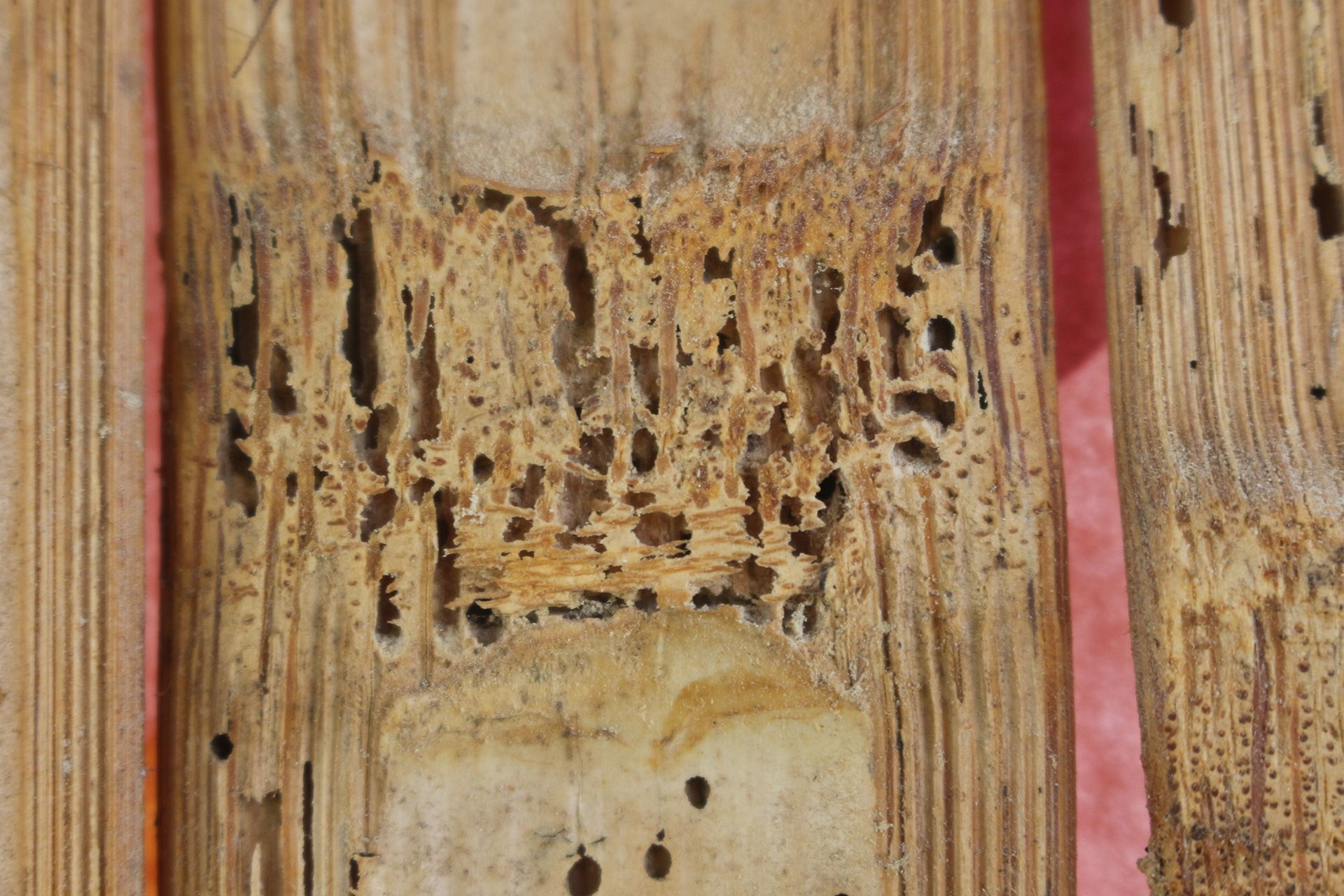
Termites and other wood-destroying organisms are common
- Older homes:
Many Florida homes may have outdated electrical or plumbing systems
A local inspection by Full Circle Home Inspectors ensures these region-specific risks are evaluated accurately.
Conclusion
An inspection contingency is a critical protection for homebuyers. It allows you to:
- Verify the home’s condition
- Negotiate repairs or price adjustments
- Walk away without financial penalty if major defects are found
By including a house inspection contingency in your purchase contract and hiring a trusted inspector like Full Circle Home Inspectors, you can make informed decisions, protect your investment, and ensure your Florida home is safe and ready for occupancy.
FAQs – Home Inspection Contingency
What is an inspection contingency?
It’s a clause in a home purchase contract that allows buyers to have the property professionally inspected before closing.
How long does an inspection contingency last?
Typically 7–14 days after the contract is signed, depending on local practices and contract terms.
Can I request repairs after a home inspection?
Yes. The inspection report can be used to negotiate repairs, price reductions, or credits before closing.
What happens if serious issues are found?
Buyers can request repairs, renegotiate, or cancel the contract without losing their deposit.
Do I need a professional inspector?
Yes. Professionals like Full Circle Home Inspectors provide accurate reports, identify hidden problems, and protect your interests.
Are inspection contingencies common in Florida?
Yes. They are a standard part of real estate contracts, especially for homes with potential humidity, roofing, or pest risks.
Can an inspection contingency save me money?
Absolutely. By identifying issues early, buyers can avoid costly repairs, negotiate better terms, or prevent purchasing a problematic home.
Disclaimer: The information on this website and blog is for general informational purposes only and is not professional advice. We make no guarantees of accuracy or completeness. We disclaim all liability for errors, omissions, or reliance on this content. Always consult a qualified professional for specific guidance.
Search
Recent Posts