What to Look for When Buying a House
Buying a house is one of the biggest decisions most people make. It’s exciting, but it can also be stressful if you’re not prepared. Knowing what to look for when buying a house ensures you make a safe, smart choice and avoid costly surprises.
This guide covers everything from location and structure to systems, energy efficiency, and what a professional home inspection can reveal. Following this guide helps buyers and homeowners make informed decisions.
Why Knowing What to Look for Matters
A home is more than walls and a roof. It’s an investment, a family space, and a part of your future. Inspecting a house properly ensures you understand its true condition.
Ignoring details can lead to expensive repairs, safety hazards, or low resale value. Learning what professional home inspectors check gives you a head start.
1. Location Is Key
Location affects your daily life and long-term investment. When evaluating a property, consider:
- School districts and nearby schools
- Crime rates and safety
- Commute times and access to public transport
- Proximity to shopping, parks, hospitals, and services
- Noise levels and neighborhood activity
- Future developments or zoning changes
Even a beautiful home can become a headache if the location doesn’t fit your lifestyle or long-term plans.
2. Structural Condition
The structure is the foundation of your investment. Look for:
- Foundation cracks, uneven settling, or bowing walls
- Sagging floors, sticking doors, or windows out of alignment
- Visible water damage or rot in wooden beams
- Roofline irregularities or exterior wall cracks
Structural issues can be expensive to repair. A home inspection will provide a detailed report about any problems and potential costs.
3. Roof and Exterior
The roof and exterior protect your home from weather and water damage. Check:
- Missing, curled, or damaged shingles
- Signs of past leaks, water stains on ceilings
- Gutters and downspouts condition
- Exterior siding or brick damage
- Chimney condition and flashing
Even if you cannot inspect the roof closely, visual clues from the ground can indicate whether a professional inspection is needed.
4. Windows and Doors
Windows and doors affect energy efficiency, safety, and comfort:
- Do windows open, close, and lock properly?
- Are panes foggy or cracked?
- Do doors stick or swing unevenly?
- Are all locks and latches functional?
Proper sealing and operation reduce energy loss and prevent unwanted intrusions.
5. Flooring and Interior Condition
Walk through each room carefully. Look for:
- Level floors or uneven spots
- Cracked tiles, damaged hardwood, or worn carpets
- Moisture stains or mold
- Odors from past water damage or pets
Flooring issues often reveal hidden problems like leaks or structural settling.
6. Plumbing System
Plumbing affects safety and living comfort. Evaluate:
- Leaks under sinks or around toilets
- Water pressure in taps and showers
- Drainage speed
- Visible pipe condition
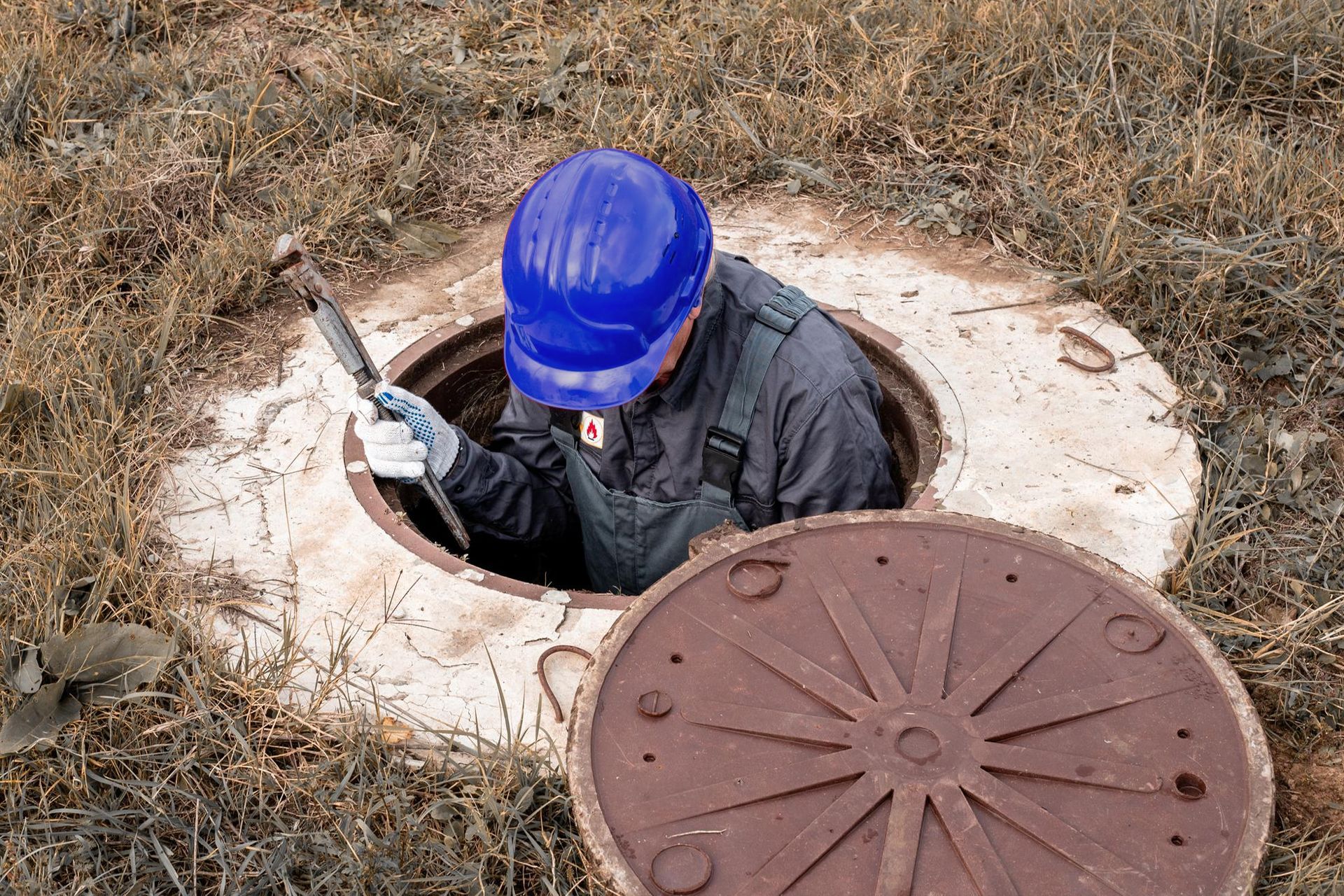
Inspectors will test water heaters, pipes, and drainage systems to ensure there are no hidden problems.
7. Electrical System
Electrical safety is critical. Check for:
- Grounded outlets and GFCI protection in kitchens and bathrooms
- Circuit breaker condition and capacity
- Flickering lights or tripped breakers
- Exposed or outdated wiring
Unsafe wiring can be a fire hazard. Inspectors will test the electrical system thoroughly.
8. Heating, Ventilation, and Air Conditioning (HVAC)
Comfortable homes require reliable HVAC systems:
- Age and type of furnace, heat pump, or air conditioner
- Clean air filters and proper airflow
- Ductwork condition
- Thermostat functionality
A professional inspector can run tests to ensure proper operation and efficiency.
9. Insulation and Energy Efficiency
Energy-efficient homes save money and improve comfort. Consider:
- Attic insulation depth and type
- Wall insulation (where visible)
- Window efficiency and drafts
- Sealing around doors and vents
Thermal imaging during an inspection can detect gaps or air leaks invisible to the naked eye.
10. Moisture, Mold, and Pests
Moisture issues can lead to mold or wood destroying organisms (WDO). Check for:
- Water stains on walls or ceilings
- Musty odors
- Damp basements or crawl spaces
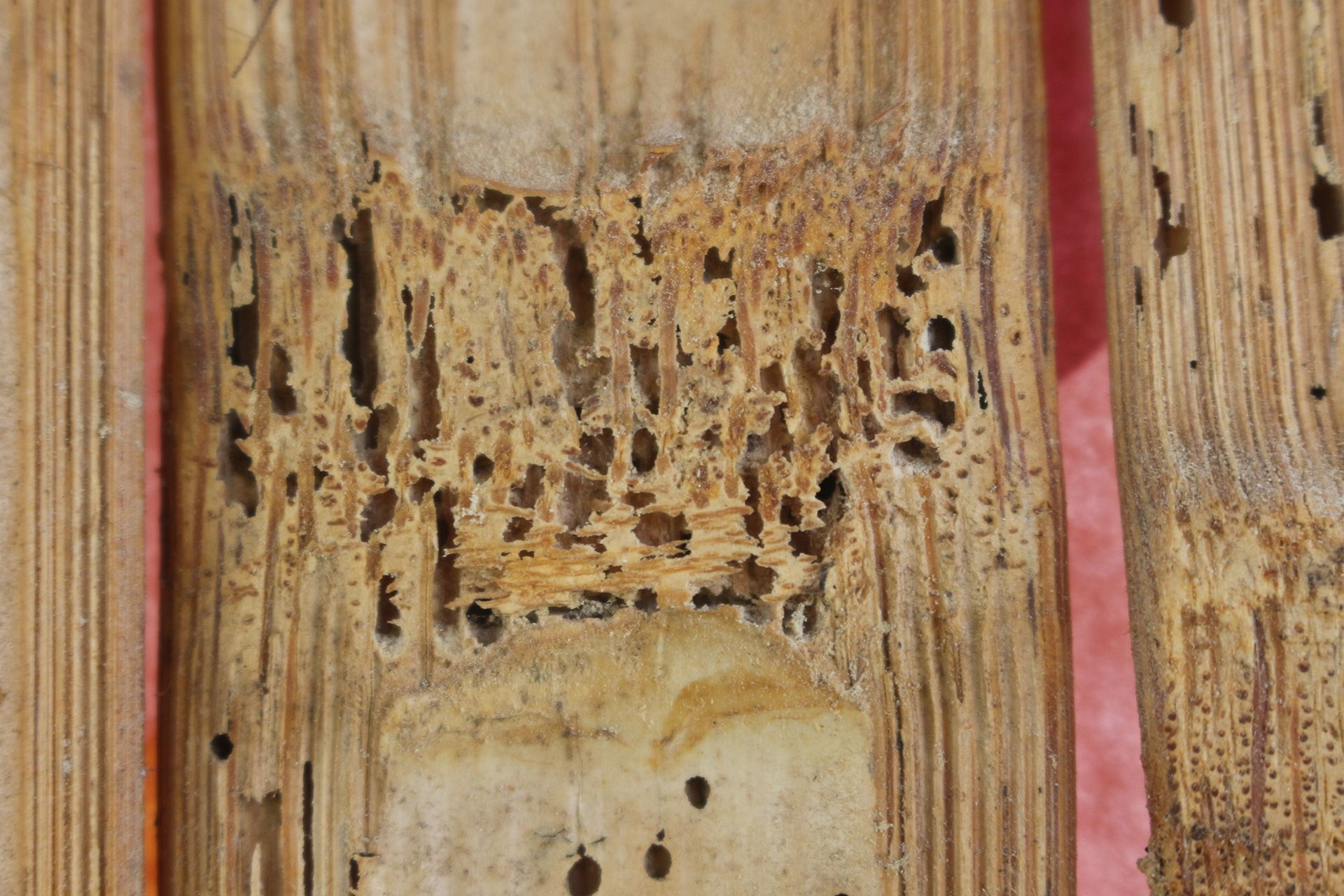
- Signs of termites or rodents
Professional inspectors can perform mold thermal imaging inspection and WDO inspection to reveal hidden risks.
11. Storage and Layout
Make sure the house fits your lifestyle:
- Closet and storage space
- Room sizes and flow
- Kitchen functionality
- Accessibility for children or aging residents
A poor layout can affect daily life even if the home is in perfect condition.
12. Yard and Outdoor Space
The exterior matters for safety and enjoyment:
- Drainage around the foundation
- Trees near the house (risk of falling limbs)
- Condition of decks, fences, and patios
- Yard slope and soil stability
These factors impact maintenance, safety, and landscaping opportunities.
13. Energy Efficiency and Environmental Factors
More buyers now look for energy-efficient features:
- Solar panels or solar-ready homes
- Double or triple-pane windows
- Energy-efficient HVAC systems
- Proper attic ventilation
Inspectors can advise on energy-saving improvements and potential long-term benefits.
14. Future Needs and Resale Value
Think about long-term plans:
- Space for family growth
- Nearby schools and amenities
- Neighborhood development trends
- Potential resale value
Choosing a home that fits both current and future needs ensures lasting satisfaction.
Why a Professional Home Inspection Matters
Home inspectors provide expertise you cannot get from casual viewing. They assess:
- Structural integrity
- Roof and exterior condition
- Plumbing and electrical systems
- HVAC performance
- Signs of moisture, mold, or pests
A thorough inspection report highlights problems and gives you negotiation power before purchase.
Conclusion
Knowing what to look for when buying a house is essential for making a safe, informed decision. From location and structure to energy efficiency, moisture, and systems, paying attention to these areas saves time, money, and stress.
For buyers in Florida, Full Circle Home Inspectors provides professional inspection services that cover all major home systems and hidden risks, giving you confidence and peace of mind before purchasing a property.
FAQs – What to Look for When Buying a House
What are the most important things to look for when buying a house?
Structural integrity, roof, plumbing, electrical, HVAC, insulation, moisture, pests, layout, and yard drainage.
How can I identify hidden water damage?
Look for stains, musty odors, warped flooring, and hire an inspector who uses moisture meters or thermal imaging.
Should I worry about termites?
Yes. Termites and other wood destroying organisms can cause costly damage. Consider a WDO inspection.
What questions should I ask a home inspector?
Ask about serious defects, safety hazards, maintenance needs, and any issues requiring immediate attention.
Can thermal imaging detect insulation or water issues?
Yes. Thermal cameras reveal temperature differences that highlight gaps, leaks, or potential mold risks.
How do I assess energy efficiency?
Inspect insulation, windows, doors, and HVAC systems. Consider energy-efficient upgrades.
What outdoor factors should I check?
Drainage, slope, trees, fences, patios, and potential flooding risks are all important.
Do I need a home inspection if I already see the house is in good condition?
Yes. Many issues, like hidden leaks, electrical problems, or mold, are invisible without professional evaluation.
How can I protect my investment long-term?
Routine inspections, maintenance, and addressing issues early help preserve your home’s value.
Disclaimer: The information on this website and blog is for general informational purposes only and is not professional advice. We make no guarantees of accuracy or completeness. We disclaim all liability for errors, omissions, or reliance on this content. Always consult a qualified professional for specific guidance.
Search
Recent Posts