What’s Included in a Home Inspection?
What is included in a home inspection? A standard home inspection typically covers the home’s major visible and accessible systems and components, including the roof, structure, exterior, electrical system, plumbing, HVAC, attic, insulation, interior rooms, doors, windows, and other installed features. The exact scope depends on the property, accessibility, and the inspection agreement.
For buyers, understanding what is covered in a home inspection can help set realistic expectations before inspection day. A home inspection is detailed, but it is also visual and non-invasive. The inspector evaluates what can be safely seen and accessed without damaging the property.
For Central Florida buyers, the inspection can also help identify conditions related to moisture, roof wear, HVAC performance, drainage, storm exposure, and other issues common in the region.
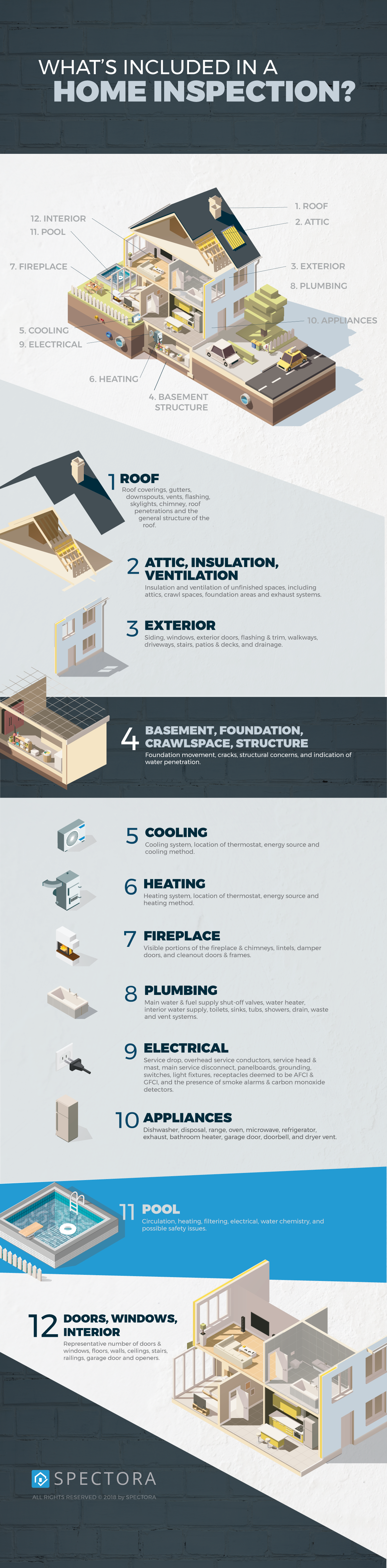
What Does a Home Inspection Cover?
If you are asking what does a home inspection cover, the answer starts with the home’s major systems.
A standard home inspection generally evaluates the visible and accessible condition of areas such as:
- Roof
- Exterior
- Foundation and structure
- Attic
- Insulation and ventilation
- Electrical system
- Plumbing system
- Heating and cooling
- Interior rooms
- Windows and doors
- Stairs and railings
- Garage
- Installed appliances where included
- Visible safety concerns
The goal is not to determine whether the house is perfect.
The inspector looks for visible defects, signs of damage, safety concerns, system problems, and conditions that may need maintenance, repair, or further evaluation.
Roof and Roofing Components
The roof is one of the most important areas of a home inspection.
When safely accessible, the inspector may evaluate visible roofing components such as:
- Roof covering
- Flashing
- Roof penetrations
- Gutters
- Downspouts
- Drainage
- Visible signs of damage
- Evidence of leaks
- Roof edges and related components
The method used to inspect the roof depends on safety, weather, roof design, and accessibility.
An inspector may not always be able to walk on the roof.
In those cases, other safe observation methods may be used.
Why the Roof Matters in Florida
Central Florida roofs face:
- Strong sunlight
- Heavy rain
- Wind
- Storm activity
- High temperatures
These conditions can affect roofing materials over time.
The inspection can help identify visible conditions that deserve attention, but it does not predict exactly how long a roof will last.
Exterior Components
The exterior helps protect the home from weather and moisture.
A home inspection may cover visible exterior components such as:
- Siding
- Stucco
- Exterior trim
- Doors
- Windows
- Porches
- Decks
- Balconies
- Walkways
- Driveways
- Grading
- Drainage near the structure
The inspector may look for visible deterioration, damage, improper drainage, water intrusion, and other conditions that may affect the home.
Foundation and Structural Components
The structural portion of the inspection focuses on visible and accessible parts of the home that support the building.
This may include:
- Foundation components
- Framing
- Floors
- Walls
- Ceilings
- Roof structure
- Columns
- Beams
- Crawlspace components where accessible
Inspectors look for visible conditions such as:
- Cracking
- Movement
- Sagging
- Moisture damage
- Deterioration
- Other signs that may deserve further evaluation
A standard home inspection is not the same as a structural engineering evaluation.
If a significant structural concern is observed, the inspector may recommend further evaluation by a qualified professional.
Attic, Insulation, and Ventilation
The attic can reveal important information about the roof and home.
When accessible, the inspector may review:
- Roof framing
- Insulation
- Ventilation
- Visible moisture
- Signs of roof leakage
- Exhaust ducting
- Attic access
- Other visible conditions
In Florida, attic ventilation and moisture conditions deserve attention because heat and humidity can affect building materials.
The inspector will not normally disturb large amounts of insulation or remove finished surfaces to search for hidden conditions.
Electrical System
The electrical system is another major part of what is included in a home inspection.
The inspector may review visible and accessible components such as:
- Electrical service
- Main panel
- Subpanels where present
- Visible wiring
- Breakers
- Outlets
- Switches
- Lighting
- GFCI protection
- Other visible safety features
The inspection is not designed to dismantle the entire electrical system.
Components that are hidden inside walls or otherwise inaccessible cannot be fully evaluated visually.
If the inspector finds a significant electrical concern, further evaluation by a qualified electrician may be recommended.
Plumbing System
The plumbing portion of a home inspection typically covers visible and accessible components.
These may include:
- Water supply piping
- Drain piping
- Faucets
- Sinks
- Toilets
- Tubs
- Showers
- Water heater
- Visible plumbing connections
- Signs of active leaks
The inspector may operate fixtures and look for drainage or leakage concerns.
However, a standard inspection does not provide a direct view through most underground sewer lines.
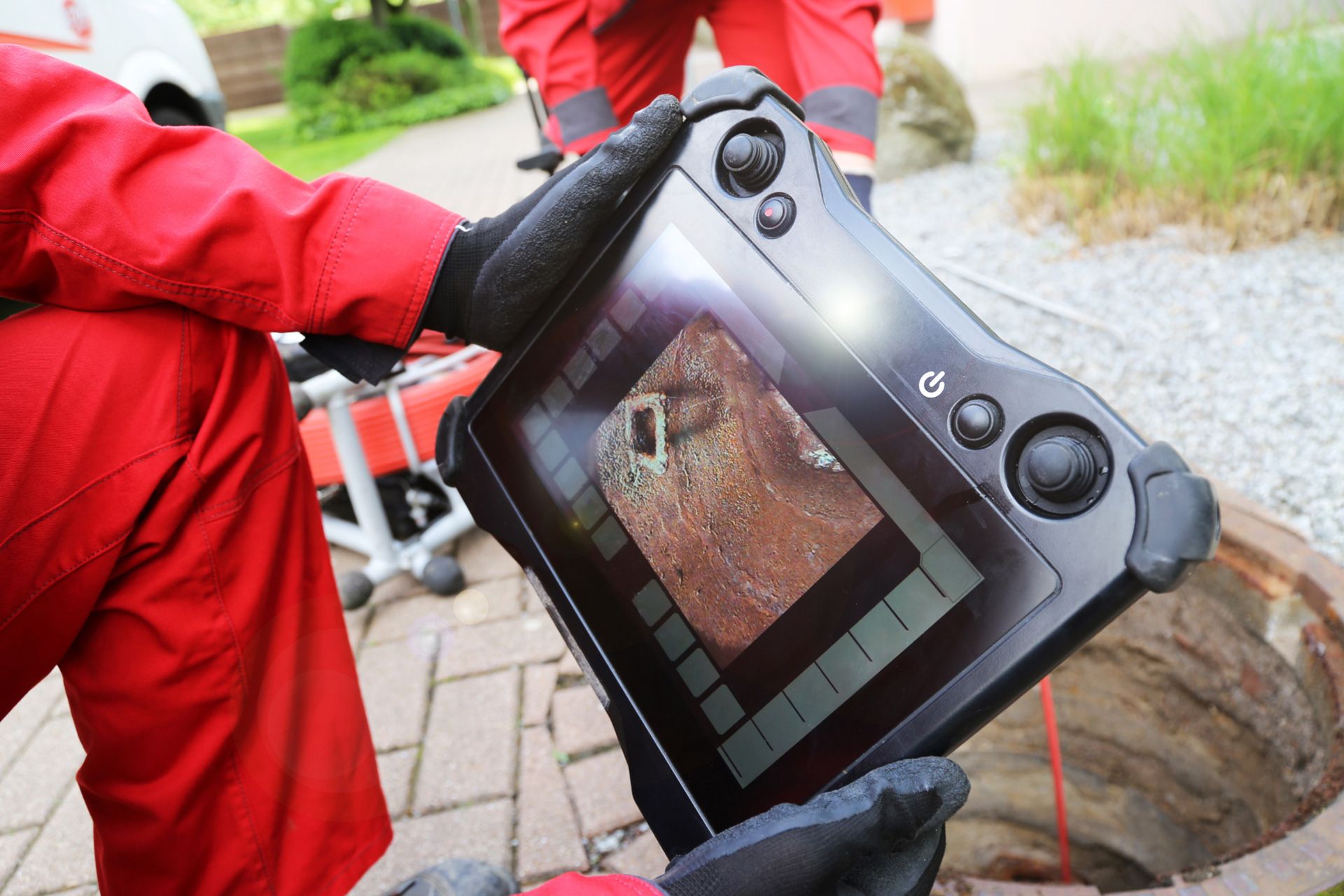
A sewer scope inspection is a separate service that uses a camera to evaluate the accessible interior of the main sewer line.
Heating and Cooling Systems
Florida homes rely heavily on air conditioning, making HVAC evaluation especially important.
The inspection may include:
- Installed heating equipment
- Air-conditioning equipment
- Thermostat
- Visible ductwork
- Accessible system components
- Condensate drainage
- General operation under safe conditions
The inspector evaluates how the system operates at the time of inspection.
A home inspection is not the same as a full HVAC service or diagnostic evaluation.
If the system shows significant concerns, an HVAC professional may be recommended.
Interior Rooms and Living Areas
The inspector also evaluates visible conditions throughout the interior.
This may include:
- Walls
- Ceilings
- Floors
- Doors
- Windows
- Stairs
- Railings
- Cabinets
- Counters
- Other visible installed components
The inspector may look for:
- Water staining
- Damaged materials
- Loose components
- Safety concerns
- Signs of movement
- Other visible defects
Cosmetic issues are not usually the main focus unless they point to a larger problem.
For example, a paint stain may matter because it could indicate past moisture intrusion.
Kitchens
A standard inspection may include visible kitchen components such as:
- Sink
- Faucet
- Drainage
- Cabinets
- Countertops
- Electrical outlets
- Installed appliances where included in the scope
The inspector may operate built-in appliances to check basic function.
This is not the same as a detailed appliance performance test or warranty evaluation.
Bathrooms
Bathrooms combine plumbing, electrical, ventilation, and moisture concerns.
Inspectors may evaluate:
- Toilets
- Sinks
- Tubs
- Showers
- Faucets
- Drainage
- Ventilation
- GFCI protection
- Visible moisture concerns
Bathrooms are common areas for leaks, condensation, and moisture-related damage.
Windows and Doors
Windows and doors are usually evaluated for visible condition and basic operation where accessible.
The inspector may look at:
- Opening and closing
- Visible damage
- Broken glass
- Hardware
- Locks
- Frames
- Signs of moisture
- Safety concerns
Not every window or door must necessarily be operated in every inspection, depending on the standards of practice and conditions at the property.
Garage
When a garage is present, the inspection may include:
- Garage structure
- Walls and ceilings
- Electrical components
- Garage door
- Door opener
- Safety features
- Interior access door
- Visible moisture or damage
Garage door safety features are important because the door is a large moving component.
Built-In Appliances
Depending on the inspection agreement, certain installed appliances may be operated for basic function.
Examples can include:
- Dishwasher
- Range
- Oven
- Built-in microwave
- Garbage disposal
The home inspection does not provide the same level of testing as an appliance technician.
The goal is to determine basic operation under normal conditions at the time of inspection.
Visible Safety Concerns
A professional inspector also pays attention to visible conditions that could create safety concerns.
Examples may include:
- Missing railings
- Electrical hazards
- Unsafe stairs
- Damaged structural components
- Improperly operating garage doors
- Water near electrical equipment
- Other visible hazards
A home inspection is not a guarantee that every possible hazard will be found.
The inspection is limited to visible and accessible conditions at the time of the evaluation.
What Does a Home Inspection Not Usually Cover?
Understanding exclusions is just as important as knowing what does a home inspection include.
A standard home inspection is generally visual and non-invasive.
It does not normally include destructive testing or opening walls simply to look for hidden defects.
Depending on the inspection company and agreement, standard inspections may not automatically include:
- Sewer scope inspection
- Mold sampling
- Indoor air quality testing
- WDO inspection
- Pool and spa inspection
- Water quality testing
- Septic inspection
- Well testing
- Radon testing
- Engineering analysis
- Environmental testing
- Detailed code-compliance review
- Specialized solar system evaluation
Some of these may be available as separate services.
Always ask what is included before scheduling.
Does a Home Inspection Include Mold Testing?
Not automatically.
An inspector may observe visible moisture, staining, musty conditions, or suspected mold-like growth during a standard inspection.
However, professional mold sampling or indoor air quality testing is a separate service.
This distinction matters because seeing a suspicious area and testing that area are different services.
Does a Home Inspection Include a Sewer Scope?
Usually not as part of the standard visual inspection.
A sewer scope requires specialized camera equipment.
The camera is inserted into an accessible sewer cleanout or other appropriate opening to view the interior of the line.
Buyers who want information about the buried sewer line should ask whether a sewer scope can be added.
Does a Home Inspection Include a Pool?
Not always.
Swimming pools and spas involve additional equipment and systems, including:
- Pumps
- Filters
- Heaters
- Electrical components
- Safety features
- Pool surfaces
If the property has a pool or spa, confirm whether it is included in the inspection or offered as a separate service.
What Does a Home Inspection Include for Florida Buyers?
The basic inspection scope does not change simply because the house is in Florida, but local conditions can influence which findings deserve attention.
Central Florida homes commonly face:
- High humidity
- Heavy rainfall
- Strong storms
- Roof wear
- Moisture intrusion
- Long HVAC seasons
- WDO activity
- Pool and spa systems
A local inspector should understand how these conditions can affect the home.
For example, a ceiling stain in Central Florida may deserve closer attention because it could be related to roof leakage, plumbing, HVAC condensation, or another moisture source.
What Happens If the Inspector Finds a Problem?
Finding a problem during a home inspection does not mean the house automatically “fails.”
A home inspection is not generally a pass-or-fail test.
The report may identify:
- Maintenance items
- Defects
- Safety concerns
- Signs of damage
- Conditions needing further evaluation
- Areas that could not be fully inspected
The next step depends on the finding.
Some issues may simply need routine maintenance.
Others may require evaluation by:
- Roofer
- Electrician
- Plumber
- HVAC contractor
- Structural engineer
- Pest professional
- Other specialist
The inspector’s role is to document what is visible and explain why a condition may deserve attention.
What Is Included in the Home Inspection Report?
The report is one of the most important parts of the inspection.
A professional report may include:
- Photographs
- Descriptions of conditions
- Location of findings
- Safety observations
- Maintenance notes
- Recommendations
- Areas that were inaccessible
- Inspection limitations
Buyers should read the entire report rather than only the summary.
Not every item has the same level of importance.
A good report helps you understand the difference between routine maintenance and conditions that may require more immediate attention.
Why the Inspection Scope Matters
Buyers sometimes assume that one general inspection covers every possible system and concern.
That can lead to misunderstandings.
Knowing what is covered in a home inspection before the appointment allows you to decide whether you need additional services.
For example:
A home with an older sewer line may benefit from a sewer scope.
A property with a pool may need a pool inspection.
A home with suspected moisture issues may require additional mold or air-quality testing.
The right inspection plan depends on the specific property.
How to Get the Most From Your Home Inspection
Before the appointment:
- Review the inspection agreement.
- Ask what is included.
- Identify special property features.
- Discuss any concerns you already noticed.
- Ask whether specialty services are appropriate.
- Attend the inspection when practical.
- Read the full report afterward.
This makes the inspection more useful and helps prevent surprises about the scope.
What Full Circle Home Inspectors Evaluates
Full Circle Home Inspectors evaluates the major visible and accessible systems and components of homes throughout Central Florida.
Depending on the property and scheduled services, the inspection may address areas involving:
- Roofing
- Structure
- Exterior
- Interior
- Plumbing
- Electrical
- HVAC
- Attic
- Insulation
- Installed components
- Visible safety concerns
Full Circle also offers specialized inspection services for property features and concerns that fall outside a standard home inspection.
This allows buyers to build an inspection plan around the actual home rather than assuming every property needs the same services.
Final Thoughts
Understanding what is included in a home inspection helps buyers know what to expect before inspection day. A standard inspection generally covers the home’s major visible and accessible systems, including the roof, structure, electrical system, plumbing, HVAC, interior, exterior, attic, and other installed components.
Just as important, buyers should understand what may fall outside the standard scope.
If you are purchasing a home in Central Florida, Full Circle Home Inspectors can help you understand the property’s visible condition and determine which inspection services are appropriate for its features. Contact Full Circle Home Inspectors to schedule your buyer’s home inspection and get clear information before making your next property decision.
Frequently Asked Questions
What is included in a home inspection?
A standard home inspection generally includes visible and accessible components of the roof, structure, exterior, electrical system, plumbing, HVAC, attic, insulation, interior, windows, doors, garage, and other installed systems.
What is covered in a home inspection?
The inspection typically covers the major visible systems and components of the home. The exact scope depends on the property, accessibility, inspection agreement, and standards of practice followed by the inspector.
What does a home inspection cover in Florida?
A Florida home inspection generally covers the same major systems as other residential inspections, but local inspectors may pay close attention to conditions related to moisture, roofs, HVAC use, storm exposure, drainage, and other regional concerns.
What does a home inspection include that buyers often overlook?
Buyers sometimes overlook attic conditions, drainage, exterior grading, ventilation, electrical safety features, visible moisture, and maintenance concerns. These can provide important information about the home.
Does a home inspection include mold testing?
Not automatically. An inspector may note visible moisture or suspected mold-like conditions, but mold sampling and indoor air quality testing are generally separate services.
Does a home inspection include a sewer inspection?
A standard inspection generally does not include a camera examination of the buried sewer line. A sewer scope is a separate service that uses specialized equipment.
Are pools included in a standard home inspection?
Not always. Pool and spa evaluation may be an additional service. Buyers should confirm the inspection scope when scheduling a property that includes a pool or spa.
Disclaimer: The information on this website and blog is for general informational purposes only and is not professional advice. We make no guarantees of accuracy or completeness. We disclaim all liability for errors, omissions, or reliance on this content. Always consult a qualified professional for specific guidance.
Search
Recent Posts