A Guide on Hidden Water Damage Signs That You Should Know
Water damage is one of the most common problems homeowners face. Some issues are easy to spot, like flooding or leaking pipes. However, many problems stay hidden behind walls, under floors, or inside ceilings for weeks or even months.
Hidden moisture can slowly damage your home and lead to expensive repairs if ignored. It can also affect indoor air quality and weaken important structural components. That is why understanding the early signs of water damage is so important.
Whether you are buying a home, selling one, or simply protecting your property, learning what to look for can help you catch problems before they become serious. A professional water damage inspection can also help identify hidden issues that are difficult to see with the naked eye.
Why Hidden Water Damage Is a Serious Problem
Water may seem harmless at first, but moisture can create major problems over time. When water gets trapped inside a home, it can weaken materials and encourage mold growth.
Hidden moisture may damage:
- Drywall
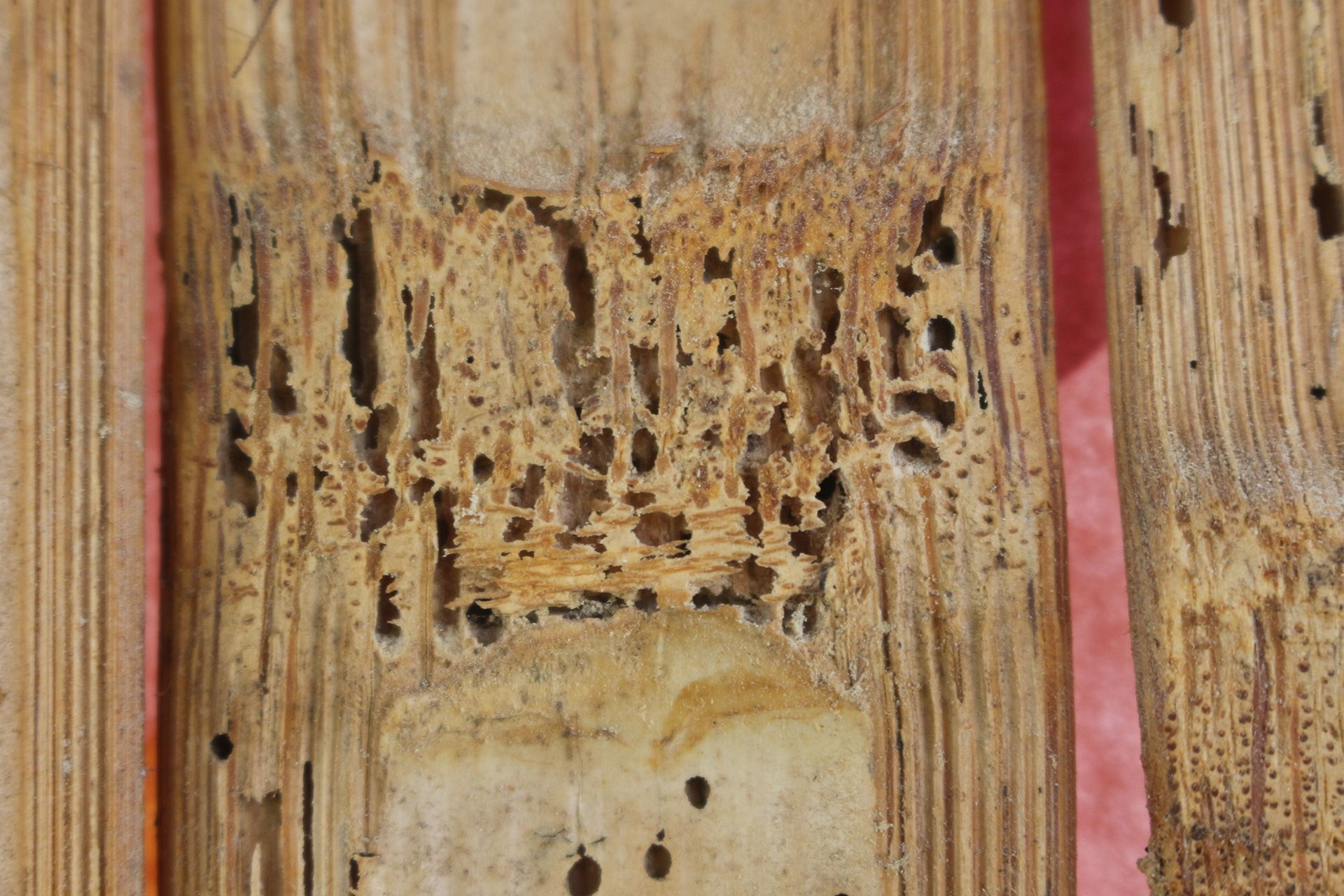
- Wood framing
- Flooring
- Insulation
- Electrical systems
- Cabinets and furniture
Small leaks can eventually cause structural damage if left untreated. Early detection through professional home inspection can save homeowners time, stress, and costly repairs.
Common Causes of Hidden Water Damage
Water problems can happen in almost any area of a home. Understanding the common causes can help homeowners stay alert.
Plumbing Leaks
Pipes hidden inside walls or under sinks may leak slowly over time. Even a small drip can create serious moisture buildup.
Roof Damage
Missing shingles or damaged flashing can allow rainwater to enter the attic or ceiling.
Poor Drainage
Clogged gutters and poor grading around the home may direct water toward the foundation.
Appliance Problems
Dishwashers, washing machines, refrigerators, and water heaters can leak without immediate warning signs.
HVAC Condensation
Air conditioning systems create moisture during operation. If drainage lines clog, water can collect inside the home.
Musty Odors Inside the Home
One of the earliest signs of water damage is a musty smell. Hidden moisture often creates damp odors that become stronger over time.
This smell is usually caused by mold or mildew growth in areas with poor airflow.
Common areas where odors may appear include:
- Basements
- Bathrooms
- Laundry rooms
- Crawl spaces
- Closets
- Attics
If a room smells damp even after cleaning, hidden moisture could be present behind the walls or the flooring.
Discoloration on Walls or Ceilings
Water stains are often clear warning signs of hidden leaks. Stains may appear yellow, brown, or copper colored depending on the source of the moisture.
Pay attention to:
- Ceiling spots
- Wall discoloration
- Bubbling paint
- Peeling wallpaper
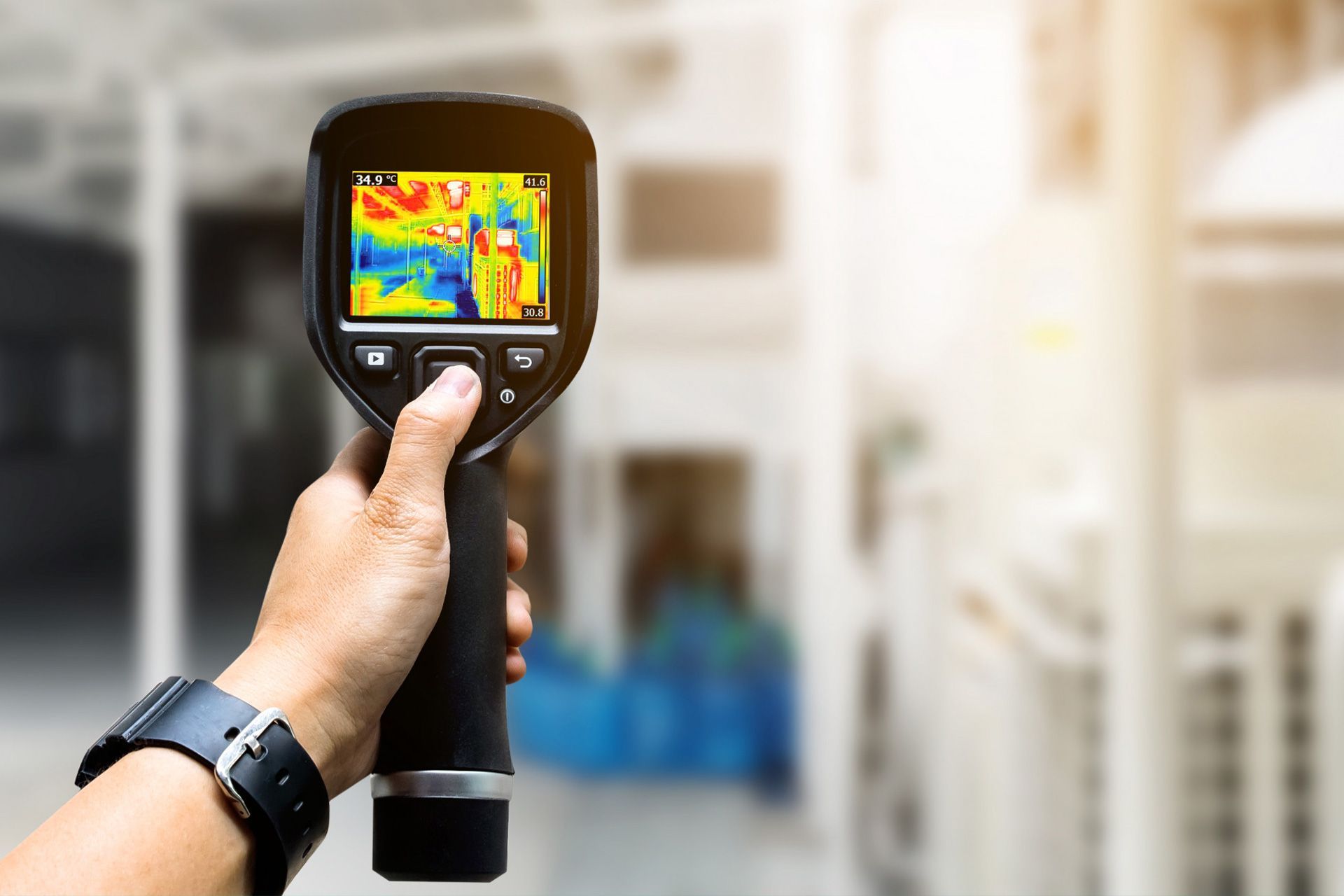
These changes usually indicate that water has entered the material beneath the surface. Many hidden leaks can only be identified through infrared thermal imaging, especially in walls and ceilings.
Peeling Paint or Warped Surfaces
Moisture can weaken paint and building materials over time. Water trapped behind walls may cause paint to bubble or crack.
You may also notice:
- Warped drywall
- Soft wood trim
- Uneven flooring
- Swollen cabinets
These issues often happen slowly, making them easy to overlook at first.
Mold Growth in Unexpected Areas
Mold grows in damp and humid environments. While mold is common in bathrooms, it should not appear in dry areas of the home.
Watch for mold around:
- Baseboards
- Windows
- Air vents
- Ceiling corners
- Under sinks
Even small mold patches may point to hidden moisture problems.
Higher Water Bills Without Explanation
A sudden increase in your water bill may signal a hidden plumbing leak. Small pipe leaks can waste a surprising amount of water over time.
If your water usage has not changed but your bill keeps rising, it may be time to investigate further.
A professional water damage inspection can help locate hidden plumbing problems before they worsen.
Soft or Sagging Floors
Flooring materials can weaken when exposed to moisture for long periods.
Signs to watch for include:
- Spongy flooring
- Loose tiles
- Warped hardwood
- Sagging areas
- Cracks in the flooring
These issues may suggest water damage underneath the surface.
Cracks Around the Foundation
Excess moisture around the home can slowly affect the foundation. Water buildup may lead to shifting soil and structural movement.
Possible warning signs include:
- Foundation cracks
- Uneven floors
- Doors that stick
- Window alignment issues
Foundation problems should always be evaluated quickly to prevent further damage.
Condensation Around Windows
Some window condensation is normal during weather changes, but persistent moisture may indicate more serious humidity problems inside the home.
Too much indoor moisture can lead to:
- Mold growth
- Rotting wood
- Damaged drywall
- Poor indoor air quality
Proper ventilation and moisture control are important for maintaining a healthy home.
Rust and Corrosion
Water exposure can damage metal surfaces over time.
Check for rust around:
- Pipes
- Water heaters
- Electrical panels
- HVAC equipment
Corrosion often signals ongoing moisture exposure that may not be visible elsewhere.
Insect Activity Near Damp Areas
Many pests are attracted to moist environments. Termites, cockroaches, and ants often gather near water-damaged areas.
If you notice increased insect activity, hidden moisture may be part of the problem.
What Happens if Water Damage Is Ignored?
Ignoring hidden leaks can lead to serious long-term problems for homeowners.
Potential risks include:
- Mold growth
- Structural weakening
- Electrical hazards
- Damaged insulation
- Reduced property value
- Poor indoor air quality
The longer moisture remains hidden, the more expensive repairs can become.
How a Water Damage Inspection Helps
A professional water damage inspection can help identify moisture problems before they cause severe damage.
Inspectors often use specialized tools such as:
- Moisture meters
- Thermal imaging cameras
- Humidity testing equipment
These tools help locate hidden moisture inside walls, ceilings, and flooring without damaging the home.
Professional inspections are especially helpful when:
- Buying a home
- Selling a property
- Experiencing unexplained odors
- Seeing stains or mold
- Investigating plumbing leaks
A water damage inspection provides homeowners with a clearer understanding of the property’s condition and any signs of water damage.
Tips to Prevent Hidden Water Damage
Homeowners can take several steps to reduce the risk of moisture problems.
- Inspect Plumbing Regularly: Check under sinks, around toilets, and behind appliances for leaks.
- Clean Gutters and Downspouts: Proper drainage helps move water away from the home.
- Monitor Indoor Humidity: Use exhaust fans and dehumidifiers in damp areas.
- Check the Roof Annually: Look for missing shingles, damaged flashing, or signs of leaks.
- Address Small Problems Quickly: Minor leaks should never be ignored because they often become larger issues later.
Signs of Water Damage That Home Buyers Should Never Ignore
Home buyers should pay close attention to moisture-related concerns during property tours and inspections.
Important warning signs include:
- Fresh paint covering stains
- Strong air fresheners mask odors
- Uneven flooring
- Mold near windows or vents
- Water stains on ceilings
These issues may indicate hidden moisture problems that need professional water damage inspection.
Final Thoughts
Hidden moisture problems can quietly damage a home for months before obvious signs appear. Learning to recognize the early signs of water damage can help homeowners protect their property, health, and investment.
From musty odors to warped flooring and ceiling stains, small warning signs often point to larger hidden issues. Acting quickly can prevent serious structural damage and expensive repairs later.
At Full Circle Home Inspectors, we help homeowners and buyers identify hidden moisture issues through a detailed water damage inspection and professional reporting. Our team is committed to helping clients better understand the condition of their property and catch problems early.
Schedule a consultation with our team today to learn more about protecting your home from hidden water damage.
FAQs
What are the most common signs of water damage in a home?
Common warning signs include water stains, peeling paint, musty odors, mold growth, warped flooring, and soft drywall.
Can hidden water damage lead to mold growth?
Yes. Moisture trapped behind walls or under flooring creates ideal conditions for mold and mildew growth.
How do inspectors find hidden moisture problems?
A professional water damage inspection may use thermal imaging cameras, moisture meters, and humidity testing tools to locate hidden leaks.
Is water damage always visible?
No. Many moisture problems develop behind walls, under flooring, or inside ceilings, where they are difficult to detect without inspection tools.
Why is hidden water damage dangerous for homeowners?
Hidden moisture can weaken structural materials, create electrical hazards, reduce indoor air quality, and increase repair costs if left untreated.
Disclaimer: The information on this website and blog is for general informational purposes only and is not professional advice. We make no guarantees of accuracy or completeness. We disclaim all liability for errors, omissions, or reliance on this content. Always consult a qualified professional for specific guidance.
Search
Recent Posts