Wood-Destroying Insects: A Complete Guide
Wood supports many parts of a home, including the roof, walls, floors, trim, decks, and cabinets. When pests enter these materials, damage may begin inside the wood before a homeowner sees a clear problem.
Understanding wood-destroying insects helps buyers, sellers, and owners respond to warning signs without guessing. Termites are a major concern, but beetles, carpenter ants, and carpenter bees can also weaken wooden parts of a property.
This guide explains the most common pests, the clues they leave, and when a wood-destroying organism (WDO) inspection may be useful.
What Makes an Insect Dangerous to Wood?
Some insects eat wood or the cellulose inside it. Others remove wood to create nests and tunnels. Continued activity can weaken trim, flooring, framing, or outdoor structures.
Risk depends on the insect, the amount of activity, the type of wood, and how long the problem continues. Moisture also matters because damp or decayed wood can attract certain pests.
One hole, stain, or pile of dust does not always prove active activity. Old damage and water leaks can create similar clues. Proper identification should come before treatment or major repairs.
Common Wood Destroying Insects Found Around Homes
Several types of wood-destroying insects may affect residential properties. Each behaves differently and leaves its own evidence.
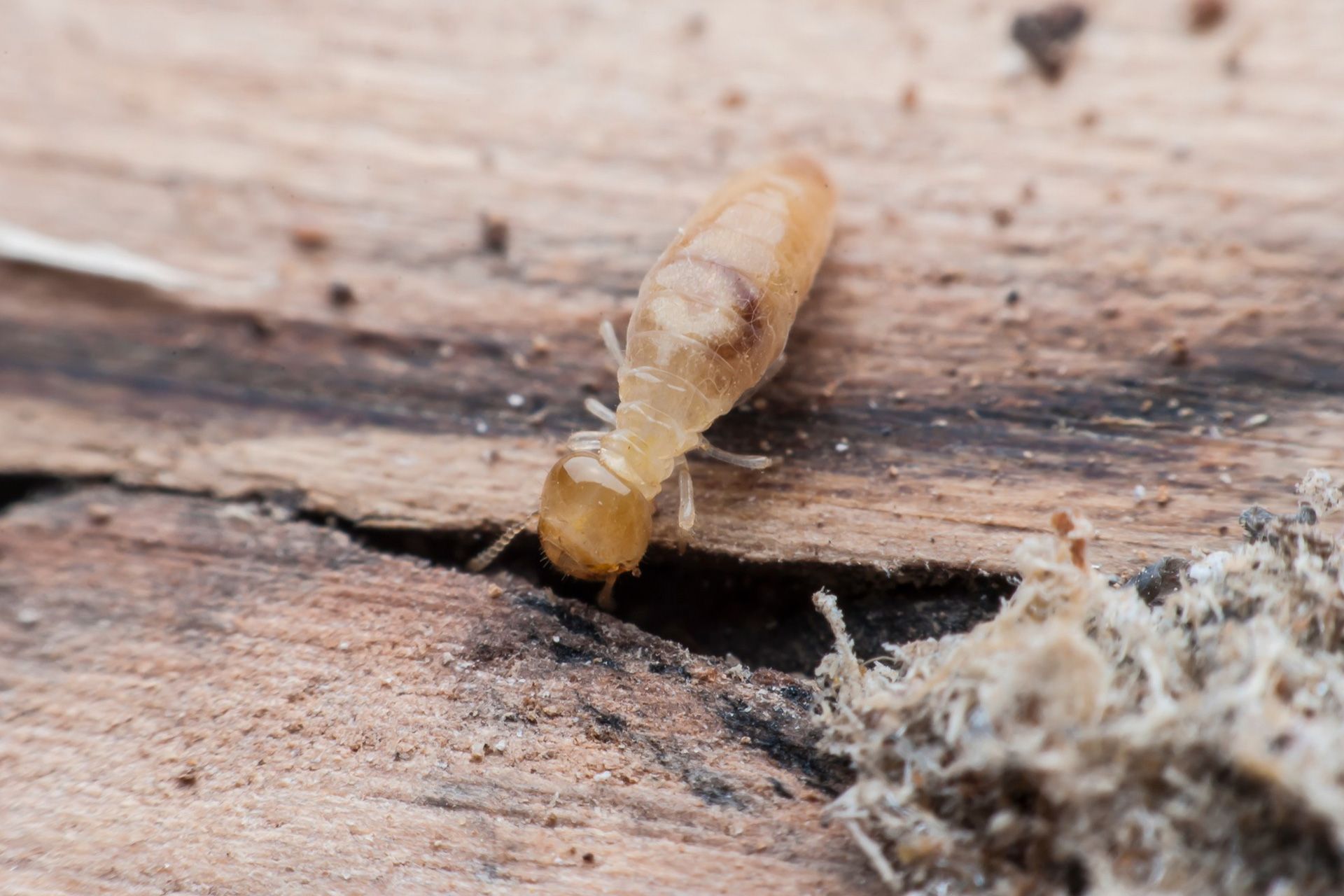
- Subterranean termites: These termites usually live in soil and travel to wood through mud tubes. They often enter near foundations or areas where wood is close to the ground.
- Drywood termites: These termites live inside dry wood without regular soil contact. They may enter during swarming or arrive inside infested furniture or flooring.
- Powderpost beetles: Their larvae feed inside lumber. Adult beetles can leave small round exit holes and fine powder below the affected area.
- Carpenter ants: These ants remove wood to make nesting galleries, often inside damp or previously damaged material.
- Carpenter bees: Female bees create round entry holes and tunnels in exposed wood such as railings, fascia boards, and unfinished lumber.
A home inspector considers the hole size, loose material, wood type, and nearby moisture. These details help separate one pest from another.
How Insects Enter a Property
Pests may reach a home from soil, trees, landscaping, stored materials, or infested wood products. Termite swarmers can enter through small gaps. Beetles may arrive inside furniture or lumber, while ants may move into damp areas from outdoor nests.
Firewood, mulch, cardboard, tree stumps, and scrap lumber can shelter insects or hold moisture near exterior walls. Wood touching soil, foundation cracks, damaged screens, roof gaps, and leaking pipes can also create favorable conditions.
Maintenance lowers risk, but it cannot confirm that a home has no activity.
Warning Signs Worth Investigating
The evidence left by wood-destroying insects varies. Look for patterns or fresh changes rather than relying on one isolated mark.
- Mud tubes: Narrow soil tubes on foundations, piers, or walls are often linked to subterranean termites. A trained provider should determine whether they are active or old.
- Discarded wings: Small piles of wings near doors, windows, vents, or lights may follow a termite swarm. Winged ants can look similar.
- Powder or pellets: Beetles may leave fine powder near exit holes. Drywood termites may push small pellets from openings in wood.
- Weak or hollow wood: Trim, flooring, or framing may sound hollow when tapped gently. Surfaces can blister, split, or feel soft.
- Activity that returns: Fresh powder after cleanup, repeated ant trails, or bees returning to one spot may suggest an ongoing issue.
Do not cover holes, break tubes, or spray suspicious areas before evaluation. Take photos and note when the evidence appeared.
Why Moisture Often Matters
Moisture can support several pests. Roof leaks, plumbing defects, blocked gutters, poor crawl space airflow, and water near the foundation can keep wood damp.
Carpenter ants often select softened wood for nesting. Some beetles prefer wood with higher moisture levels. Subterranean termites also depend on moisture and use mud tubes for protected travel.
Repairing a leak is important, but it may not remove an established colony.
What a Termite Inspection Reveals
A Wood Destroying Organism (WDO) inspection, commonly called a termite inspection, is a focused visual examination for termites and other wood-destroying organisms, evidence of damage, and conditions that may encourage activity. Accessible areas may include foundation edges, garages, attic spaces, plumbing locations, and exposed wood.
The inspector looks for mud tubes, wings, pellets, damaged material, and moisture concerns. Flashlights, probing tools, and moisture meters may support the review.
Finished walls, flooring, insulation, furniture, and stored belongings can block access. A useful report should identify visible findings and explain which areas could not be fully viewed.
In Florida, pest inspection and control work is regulated, so owners should confirm that the provider is properly qualified.
How a WDO Inspection Differs From a General Property Inspection
A home inspection covers systems such as the roof, structure, plumbing, electrical components, cooling equipment, and interior surfaces. It may reveal damp wood, decay, or other issues that need specialized attention.
However, a home inspection does not automatically replace a WDO inspection. A buyer, seller, lender, or insurer may request separate documentation for pest concerns. Using both services can provide a clearer view of the property.
During a home inspection, an inspector may also find damage caused by drainage, leaks, or fungal decay rather than insects.
Practical Ways to Reduce Risk
No maintenance step can guarantee that wood-destroying insects will stay away, but a few habits can make the property less inviting.
- Store firewood, cardboard, branches, and scrap lumber away from exterior walls. Keep useful wood above the ground and check it before bringing it inside.
- Repair roof and plumbing leaks promptly. Clean gutters, direct downspouts away from the foundation, and improve airflow in damp spaces.
- Reduce contact between soil and wooden building parts. Inspect deck posts, siding, door frames, and exterior trim for softness or cracking.
- Check visible areas during routine maintenance. Look around foundations, garages, attics, plumbing fixtures, and outdoor structures for wings, holes, tubes, powder, or dampness.
Suspicious evidence still deserves professional identification.
What Buyers and Sellers Should Know
Buyers should not assume a property is pest-free because visible wood looks clean. Paint, stored items, finished walls, and repaired surfaces may hide old or current concerns. A termite inspection can provide focused information before closing.
Sellers can benefit from reviewing the home before listing. Early findings allow time to seek qualified advice, document completed work, and answer questions clearly.
The goal is to understand visible conditions, access limits, and reasonable next steps.
Conclusion
Wood-destroying insects have different habits and warning signs. Termites consume cellulose, beetle larvae tunnel inside wood, and carpenter ants or bees remove material for nesting. Mud tubes, wings, holes, powder, pellets, and weak wood can all justify closer review.
Full Circle Home Inspectors helps Central Florida buyers, sellers, and homeowners understand visible concerns through reports and explanations. Choose Full Circle Home Inspectors for thorough WDO inspections informed by local knowledge of Central Florida’s climate, soil conditions, and construction practices.
Our detailed reports include clear photos, straightforward findings, and practical recommendations to help you determine the next steps. Contact Full Circle Home Inspectors to schedule your home inspection today.
FAQs
Can new homes have wood pest activity?
Yes. New construction can still be exposed through soil, landscaping, untreated materials, nearby colonies, or infested wood products.
Are carpenter ants as harmful as termites?
They damage wood differently. Carpenter ants remove material for nesting, while termites consume cellulose. A large colony can still weaken an affected area.
Do small holes always mean beetles are active?
No. Exit holes may remain after insects are gone. Fresh powder, new holes, or repeated activity may need evaluation.
Can termites be identified from a photo?
A photo may show useful clues, but identification can require a close look at the insect, wings, tubes, pellets, wood damage, and surrounding conditions.
When should visible wood areas be checked?
Review accessible areas during routine maintenance and after leaks, storms, or renovations. Seek professional help when new evidence appears, or a transaction requires documentation.
Disclaimer: The information on this website and blog is for general informational purposes only and is not professional advice. We make no guarantees of accuracy or completeness. We disclaim all liability for errors, omissions, or reliance on this content. Always consult a qualified professional for specific guidance.
Search
Recent Posts