Common Drinking Water Problems and Solutions
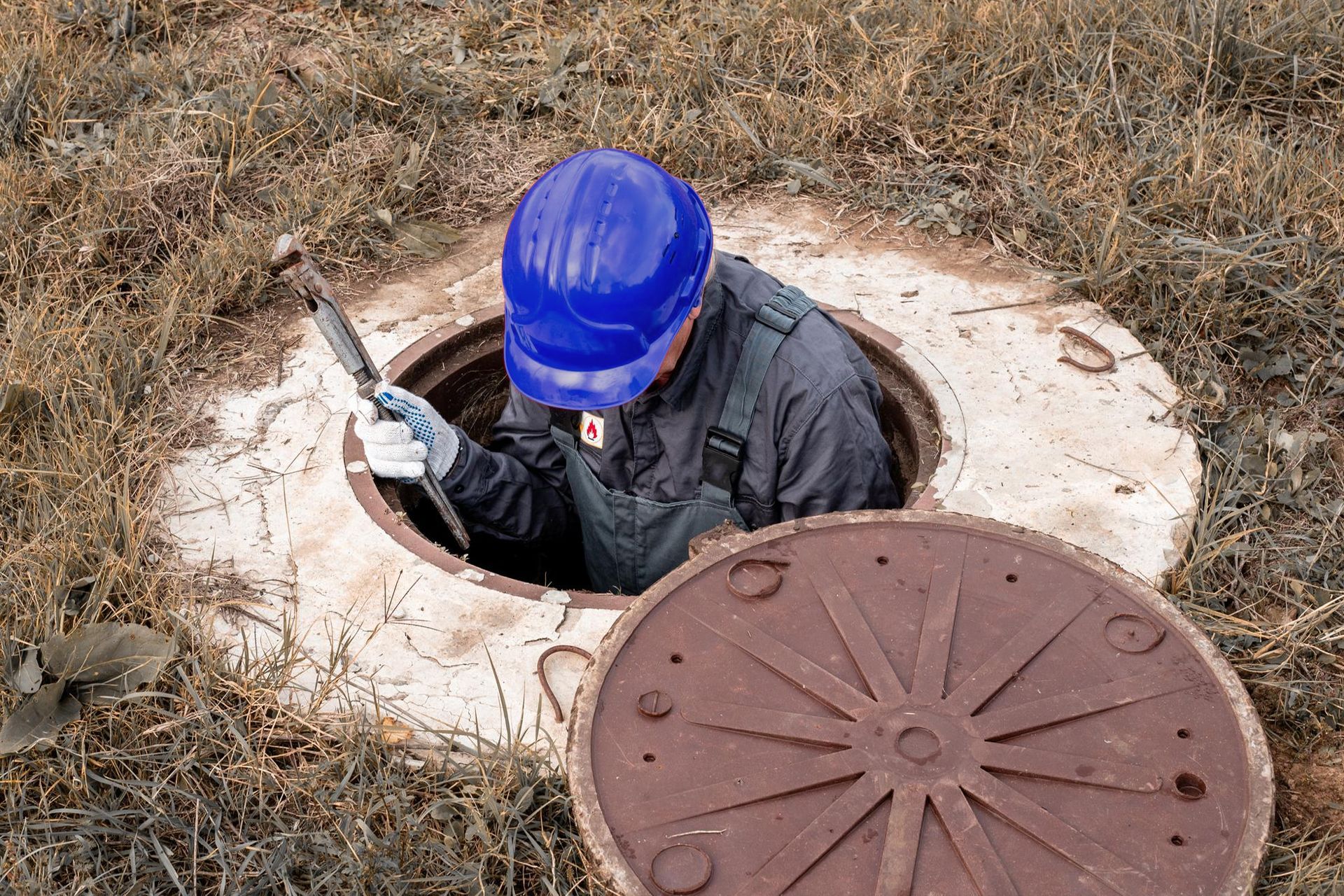
Clear drinking water can still contain unseen substances. This matters especially in homes with private wells, where the owner is responsible for checking the well and water quality.
Some problems affect taste, color, odor, plumbing, or appliances. Others may affect health without obvious warning signs. The right drinking water solutions depend on finding the actual cause.
This guide explains common concerns and when water quality testing makes sense.
Why Water Quality Problems Can Be Hard to Spot
Rust-colored stains, mineral buildup, or a strong odor can provide clues, but some contaminants may be present without changing how water looks or tastes. Lead and nitrate are two examples.
Public water systems must follow federal drinking water standards. Private wells are not routinely treated and monitored by a public utility, so owners should watch for changes and follow a regular testing schedule.
A water inspection can help when buying a home or investigating a sudden change.
Bacteria and Other Microorganisms
Bacteria can enter well water when surface water, septic waste, animal waste, or floodwater reaches groundwater or the well system. Problems with the well cap, casing, or drainage can also raise concerns.
Coliform bacteria are commonly used as indicators of possible contamination. E. coli can signal fecal contamination. Because contaminated water may still look clear, laboratory results are more reliable than taste or smell.
If bacteria are found, a qualified well inspection professional may need to repair or disinfect the system. Follow-up sampling may be needed after treatment.
Nitrates in Well Water
Nitrates can enter groundwater from fertilizers, septic systems, animal waste, and natural sources. This matters for private well owners because nitrate usually has no noticeable color, taste, or odor.
EPA and CDC guidance recommends regular nitrate checks for private wells. If a laboratory finds an elevated level, contact the local health department or a qualified professional.
Drinking water solutions may include addressing a contamination source or using treatment designed to remove nitrate. The right method should depend on the result and the home’s water system.
Lead, Iron, and Other Metals
Lead can enter drinking water from plumbing materials, faucets, fixtures, and older components. You cannot reliably see, taste, or smell dissolved lead. Testing is the way to know whether it is present.
Iron may cause reddish or brown staining. Manganese can create dark staining. Copper from plumbing corrosion may cause blue-green stains or a metallic taste.
Do not choose treatment based only on color or staining. Proper water testing helps identify what is present. Depending on the finding, the answer may involve plumbing repairs, corrosion control, a certified filter, or treatment designed for that contaminant.
Hard Water and Mineral Buildup
Hard water contains higher levels of dissolved minerals, mainly calcium and magnesium. It is usually a household maintenance concern rather than proof that the water is unsafe.
Common signs include:
- Scale on fixtures: White deposits may collect around faucets, showerheads, appliances, and plumbing.
- Poor soap performance: Soap may lather less and leave residue on dishes or shower surfaces.
- Mineral spots: Deposits may remain on fixtures and glass after water dries.
If hardness causes ongoing problems, confirm the water conditions before selecting a softening system.
Unusual Taste, Odor, or Color
Changes in water should not be ignored, but they do not identify a contaminant on their own. A rotten-egg smell is often associated with sulfur-containing compounds or bacteria. Metallic tastes may relate to iron, copper, or corrosion. Cloudy water may come from trapped air, sediment, or dissolved material.
If a change appears suddenly, check whether it affects hot and cold water and whether it occurs at every faucet. This may help determine whether the source is the well, the household plumbing, or the water heater.
A home inspection combined with water testing and laboratory results can give homeowners a clearer basis for choosing the next step.
Sediment and Cloudy Water
Sand, silt, rust particles, and other sediment can enter household water from a well, aging plumbing, or work on the water system. Sediment may settle in a glass or clog faucet screens.
Air-caused cloudiness may clear after the water sits briefly. Persistent particles or discoloration deserve more attention.
Possible drinking water solutions include well repairs, sediment filtration, plumbing work, or another treatment method. The correct choice depends on where the material enters the system.
Corrosive Water Can Affect Plumbing
Water with a low pH can corrode metal plumbing. Over time, corrosion may contribute to a metallic taste, blue-green staining, leaks, or the release of metals from plumbing materials.
These signs do not prove that the pH is low. Test results help a qualified professional decide whether corrosion control or another treatment approach is appropriate.
When Should a Private Well Be Tested?
The CDC and EPA recommend that private well owners test at least once each year for total coliform bacteria, nitrate, total dissolved solids, and pH. Other contaminants may need attention based on local conditions, nearby land use, plumbing materials, and past results.
Consider extra evaluation when:
- The water changes suddenly: a new taste, odor, color, or cloudiness deserves attention.
- Flooding reaches the well: Floodwater can carry germs and chemicals into the supply.
- The well or plumbing has been repaired: Changes may affect water conditions.
- You are buying a home with a private well: Current results help you understand the supply.
Routine care matters because some contaminants create no warning signs.
Why Testing Should Come Before Treatment
No single filter solves every water problem. A system designed for hardness will not necessarily remove bacteria, nitrates, or lead. An odor treatment may not address a health-related contaminant.
Start by identifying the concern, then match the solution to verified results. This can prevent homeowners from installing equipment that does not address the real problem.
Professional water testing is also useful when you need reliable laboratory results. Proper sample collection helps reduce contamination during handling.
Conclusion: What a Professional Water Testing Can Tell You
A professional water inspection connects laboratory findings to the property and its water supply. For a private well, the review may also consider visible components and surrounding conditions.
At Full Circle Home Inspectors, we provide professional water quality testing for homeowners, buyers, and real estate agents across Central Florida. Our inspections help identify concerns such as bacteria, nitrates, and heavy metals in well or municipal water. Get clear results, understand potential risks, and take informed steps to protect your household.
Schedule a water quality evaluation with Full Circle Home Inspectors to get clearer answers about your home’s drinking water.
FAQs
Can clear water still contain harmful contaminants?
Yes. Some contaminants, including lead and nitrate, may not change the water’s color, taste, or smell. Laboratory analysis is needed to identify them accurately.
Should I test my private well after a flood?
Yes. Floodwater can introduce germs and chemicals into wells. Follow local health guidance and use another safe drinking source until the well has been evaluated.
Does a water filter remove every contaminant?
No. Filters and treatment systems are designed for specific substances. Select equipment only after identifying what needs to be removed.
Why does my tap water leave orange or brown stains?
Iron is one possible cause, but staining alone cannot confirm it. A laboratory result can help identify the responsible mineral or metal.
Can municipal water also develop household water problems?
Yes. Public systems are regulated, but issues can still develop within household plumbing, fixtures, or service lines. If you notice an unusual change, contact your utility.
Disclaimer: The information on this website and blog is for general informational purposes only and is not professional advice. We make no guarantees of accuracy or completeness. We disclaim all liability for errors, omissions, or reliance on this content. Always consult a qualified professional for specific guidance.
Search
Recent Posts