Sewer Inspection Timeframe: Duration & What to Expect
A sewer line is important, but most of it stays hidden underground. When buyers or homeowners want to understand its condition, a camera inspection lets you see inside the accessible pipe without digging up the yard.
One of the first questions people ask is how long the inspection takes. In many homes, the camera portion takes about 30 to 60 minutes, though access, pipe length, blockages, and system complexity can change the timeframe. Knowing the sewer line inspection process ahead of time helps you plan the appointment and understand what the inspector is looking for.
This guide explains typical sewer camera inspection time, what can extend an appointment, how to prepare, and what happens after the camera comes out of the line.
How Long Does a Sewer Inspection Usually Take?
For a straightforward residential property with an accessible cleanout, the inspection itself often takes about 30 to 60 minutes in Central Florida.
That estimate is not a guarantee for every property. A short, clear line with easy access may take less time, while a long line with several turns, standing water, roots, or a blockage may take longer.
Inspection time also depends on whether the inspector can reach the intended endpoint, such as the city connection or septic tank. If an obstruction prevents the camera from moving farther, the inspection may stop at that location, and the limitation should be documented.
What Happens During the Appointment?
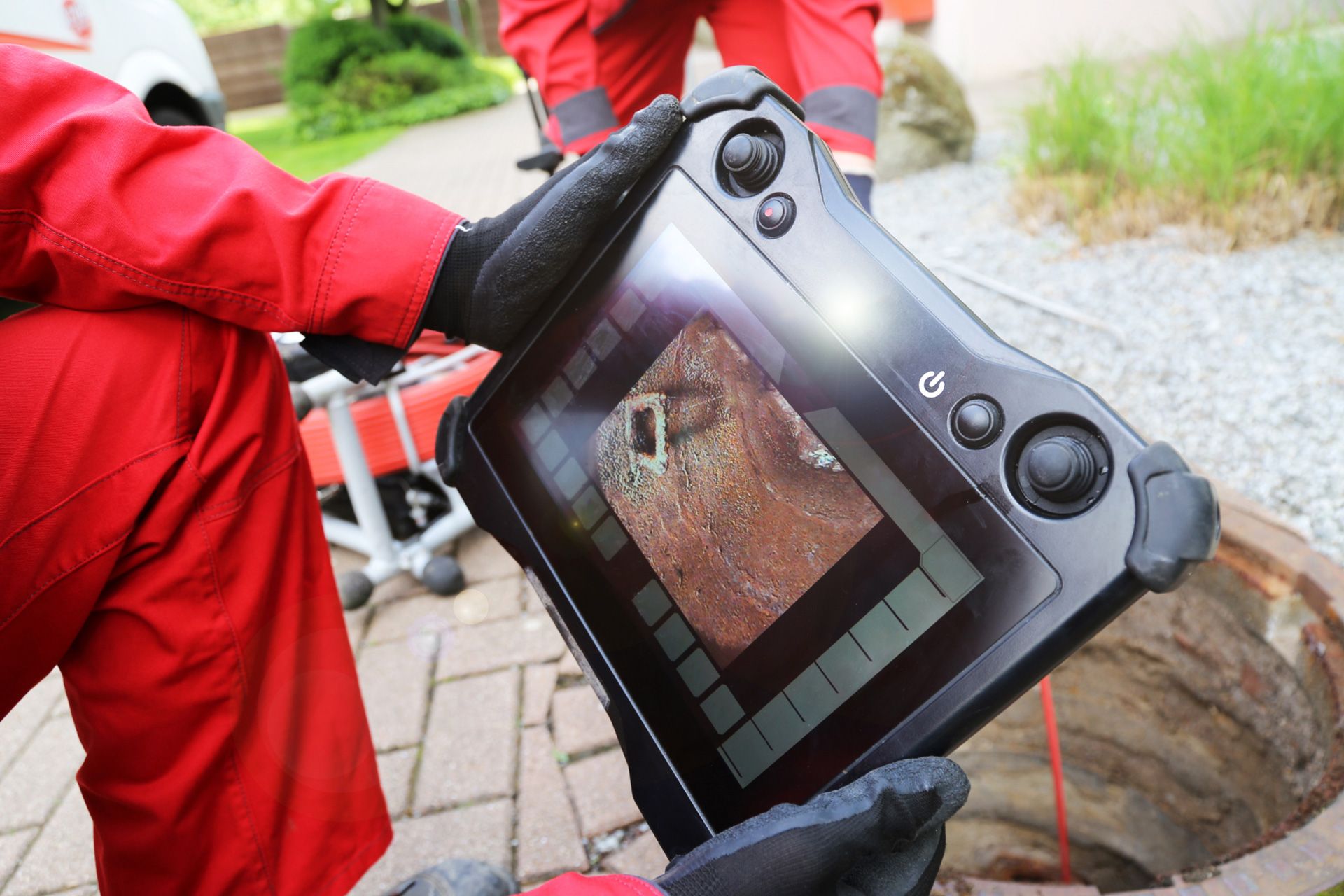
The sewer line inspection process is usually straightforward for the homeowner. The inspector uses a specialized waterproof camera attached to a flexible cable and sends it through an accessible sewer cleanout.
A typical appointment includes:
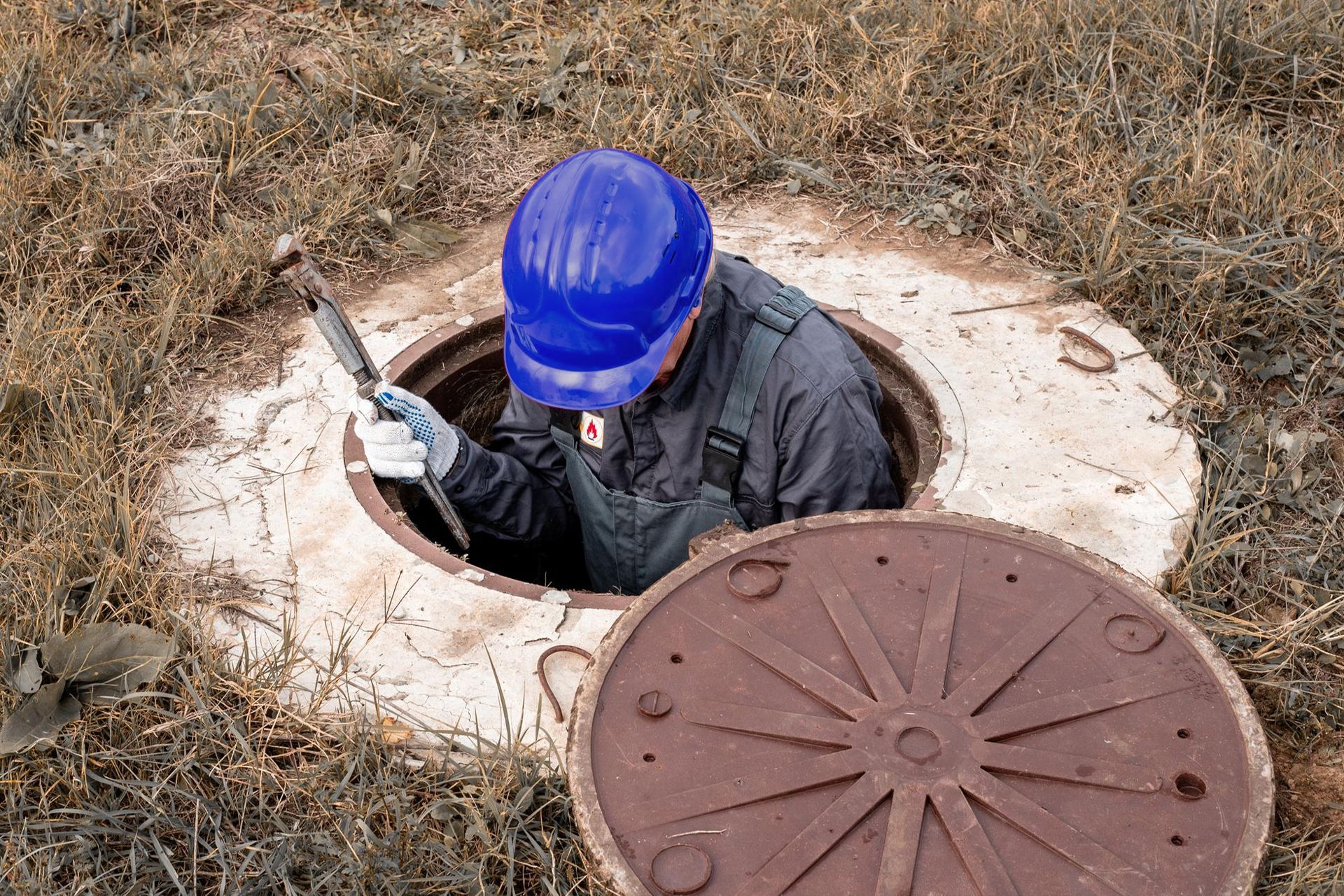
- Locate the access point: The inspector finds an exterior cleanout or another suitable entry point. If it is buried, blocked, or difficult to reach, setup may take longer.
- Insert the camera: The home inspector carefully feeds the camera through the accessible sewer lateral while live video appears on a monitor.
- Review the pipe: The inspector checks for root intrusion, cracks, buildup, corrosion, separated joints, standing water, or damaged sections.
- Document findings: The inspector takes photos, records video, and notes observations, including areas the camera could not reach.
- Explain the results: The inspector can discuss major observations and whether a licensed plumber should evaluate a concern.
What Can Make a Sewer Inspection Take Longer?
Several property conditions can change the schedule. That is why two similar homes may not take the same amount of time for a sewer camera inspection.
Difficult or Hidden Access
An accessible cleanout lets the inspection start quickly. Landscaping, stored items, soil, or construction materials can slow the process if they block access.
A Long or Complex Sewer Route
Some sewer laterals are short and direct. Others travel farther or contain several bends and connections, which can require slower camera movement.
Heavy Buildup or Blockages
Grease, debris, roots, foreign objects, or a severe clog may reduce visibility or prevent the camera from moving farther. A plumber may need to clean the line before a complete review is possible.
Standing Water or Damaged Pipe
A sagging section can hold water that blocks part of the view. A crushed or collapsed section may completely block the camera.
Does Home Age Affect the Timeframe?
Age alone does not determine how long an inspection will take. Older pipes may show cracking, corrosion, scaling, root entry, or shifted joints.
New homes can also have construction debris, improper connections, soil settlement, or heavy-equipment damage. Accessibility and pipe condition matter more than age.
How Should You Prepare Before the Inspector Arrives?
Good preparation can help the appointment stay efficient.
Before scheduled sewer scope inspection:
- Keep the cleanout accessible: Move vehicles, planters, storage, or other items away from the known access area.
- Share previous plumbing information: Tell the inspector about recurring clogs, backups, root treatment, repairs, or sewer replacements.
- Mention current symptoms: Slow drains, gurgling fixtures, sewage odors, or wet areas outside can give useful context.
- Provide available records: Plumbing invoices or repair documents may help clarify where past work was completed.
Follow any preparation instructions the inspection company provides.
What Does the Inspector Look For?
The camera does more than confirm whether the pipe is open. The inspector studies the visible interior for conditions that may affect drainage or future performance.
Common findings include roots, buildup, cracks, corrosion, separated joints, standing water, crushed piping, foreign objects, and previous repairs.
Not every imperfection means the line needs immediate replacement. Location, severity, pipe material, and effect on drainage all provide context.
What Happens If the Camera Cannot Reach the End?
A complete view is not always possible. Heavy blockages, collapsed piping, sharp turns, or inaccessible sections can stop the camera.
The report should state how far the equipment traveled and why it could not evaluate the remaining section. The next step may involve drain cleaning or evaluation by a licensed plumber.
After the problem is corrected, another camera review may be useful for areas that were previously inaccessible.
Benefits of Sewer Inspection Useful During a Home Purchase
A standard home inspection reviews visible plumbing fixtures and accessible components, but it doesn't provide a direct view of the buried sewer lateral.
That is why sewer line inspection services can be useful during a purchase, especially when the property has mature trees, an older sewer line, drainage problems, or limited underground plumbing records.
Even when toilets flush and sinks drain normally, a camera may reveal root intrusion, corrosion, standing water, or other conditions farther down the line.
Can Current Homeowners Benefit Too?
Yes. Camera inspections can help when a homeowner experiences repeated clogs, slow drains, gurgling, or unexplained sewer odors.
If the same issue returns after cleaning, roots, damaged joints, or a low pipe section may still be present. The sewer line inspection process can provide a clearer starting point for the next step.
What Should You Do After the Inspection?
Review the report carefully and focus on the location and severity of each finding.
If the line is generally clear and functional, keep the report for your records. If the inspector identifies a significant concern, follow the recommendation for further evaluation.
A licensed plumber may suggest cleaning, root removal, spot repair, lining, or pipe replacement depending on the condition. The inspection documents what it can see but does not replace specialized repair advice.
Choosing a Sewer Inspection Company
When comparing providers, look beyond how quickly they can complete the appointment. A thorough inspection should give you clear information about the visible condition of the sewer line.
Consider these important factors:
- Professional camera equipment: The provider should use equipment that produces clear images of accessible pipe sections.
- Detailed documentation: Look for photos, recorded video, and written notes explaining important findings.
- Clear inspection limitations: The inspector should explain when blockages, standing water, or access problems prevent a complete view.
- Easy-to-understand reporting: Findings should be explained in simple language so you know what deserves attention.
- Recommendations when needed: For significant concerns, include guidance on when to contact a licensed plumber.
- Local Florida experience: An inspector familiar with common pipe materials and property conditions can provide useful context.
Choose a company that prioritizes careful evaluation, clear reporting, and useful information over speed alone.
Conclusion
Understanding the inspection timeframe helps buyers and homeowners plan the appointment without assuming every property will follow the same schedule.
Full Circle Home Inspectors provides professional sewer scope inspections throughout Central Florida using camera technology to evaluate accessible underground sewer lines. Our reports include clear documentation so clients can understand what we find and decide when further plumbing evaluation is needed.
Schedule your sewer scope inspection today for a clearer view of the line beneath your property.
FAQs
Can a sewer inspection be completed faster?
Yes, especially when the access point is easy to reach, and the sewer line is short and clear. The inspector should still properly review and document the accessible pipe.
Does a blockage always make the inspection longer?
Not always. A major blockage may stop the camera early, while partial buildup may require slower movement to document the condition clearly.
Do I need to stop using water before the inspection?
Requirements can vary by inspection company and property. Follow any preparation instructions provided when you schedule the appointment.
Can the inspector tell exactly how deep the sewer line is?
A standard camera inspection may not determine exact depth along the entire pipe. You may need specialized locating equipment or a plumbing evaluation for precise location or depth.
Should I schedule inspection services before closing?
For a home purchase, schedule early enough to receive and review the findings within your inspection period. This leaves time to seek further plumbing advice if you discover a significant concern.
Disclaimer: The information on this website and blog is for general informational purposes only and is not professional advice. We make no guarantees of accuracy or completeness. We disclaim all liability for errors, omissions, or reliance on this content. Always consult a qualified professional for specific guidance.
Search
Recent Posts