Common Problems Found During A Sewer Pipe Inspection
A home's main sewer line carries wastewater away from sinks, showers, toilets, and appliances. Because the pipe is hidden, damage can develop before a homeowner notices a serious warning sign. Slow drains, recurring clogs, unusual odors, or wet areas in the yard may be early warning signs.
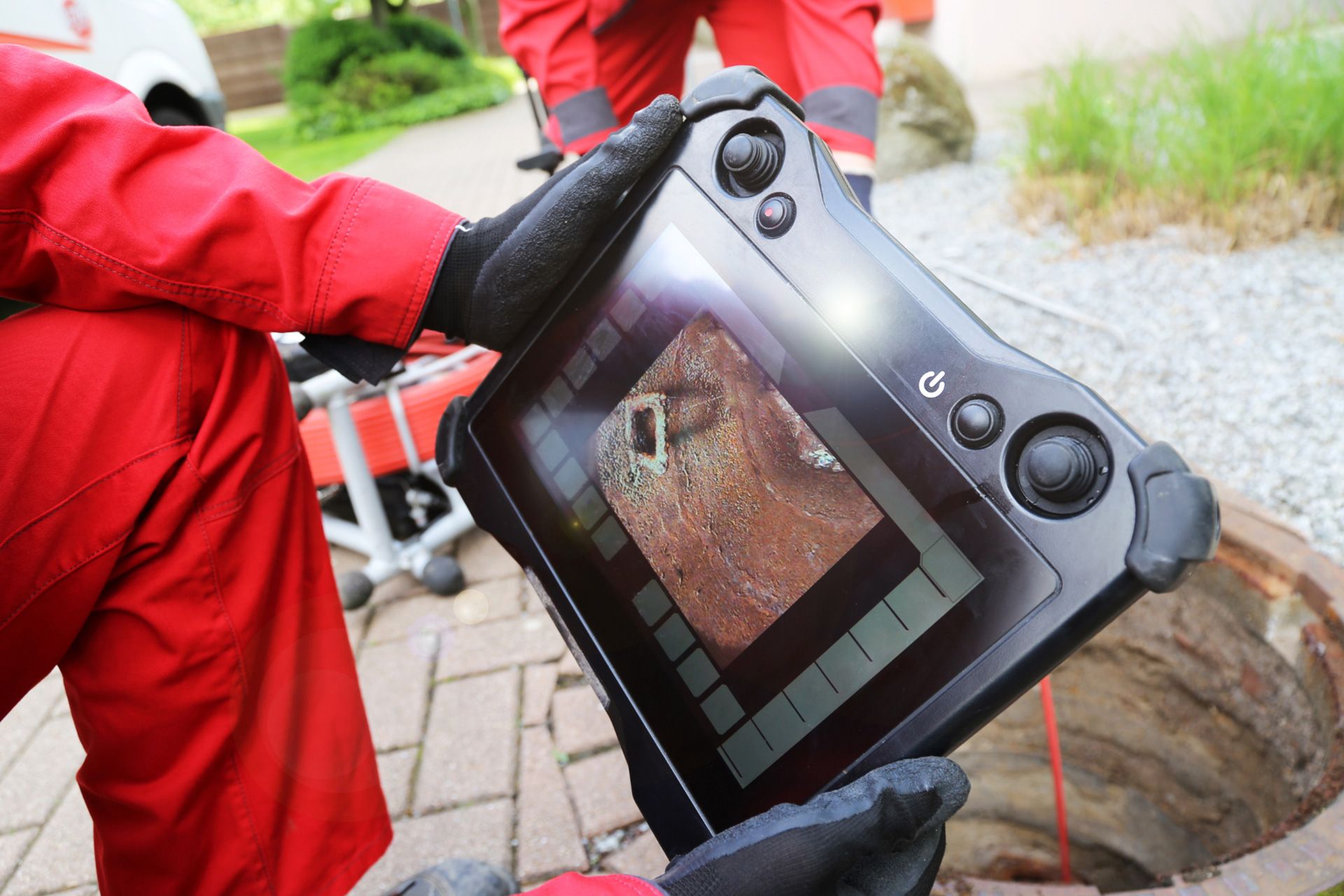
A sewer scope inspection uses a small waterproof camera to view the inside of the main line through an accessible cleanout or another suitable entry point. The video can reveal defects not visible during a standard home review and help distinguish a simple blockage from a more serious condition.
Below are the common problems a camera review may uncover, along with what each can mean for the property.
1. Cracks and Fractures
Sewer pipes can crack due to age, soil movement, overburden pressure, poor installation, or deterioration. A small fracture may not stop wastewater from flowing, so it can remain hidden.
Cracks can allow wastewater to escape or roots and soil to enter. Their size, location, and the condition of the surrounding pipe help determine whether a plumber should consider repair, monitoring, or replacement.
2. Tree Root Intrusion
Roots naturally grow toward moisture. If a pipe has an opening at a joint or a crack, small roots can enter and keep growing inside. Older jointed pipes can be vulnerable when gaps develop.
Root masses can catch paper and waste, leading to recurring blockages. Removing roots may restore flow, but you should also evaluate the entry point.
3. Grease, Waste, and Debris Buildup
Grease can cool and stick to pipe walls, trapping other waste. Wipes, sediment, and foreign objects can also restrict flow.
Camera footage can show whether buildup is limited to one area or spreads through a larger section. A qualified plumber can then choose an appropriate cleaning method. Keeping fats and unsuitable materials out of drains can help prevent repeat problems.
4. Bellied or Sagging Pipe Sections
A sewer pipe needs enough slope for wastewater to move in the correct direction. A belly forms when a section of the pipe sags, creating a low point where water, solids, and debris collect.
Standing water on camera may suggest a sag. Common causes include soil settlement, erosion, poor support, or installation problems. Significant bellies may need further evaluation.
5. Separated or Misaligned Joints
Pipe sections connect at joints, and those connections can move over time. Soil movement, root growth, pressure, or poor installation may cause one section to shift relative to the next.
A misaligned joint can interrupt flow and create a place where waste catches. Larger gaps may also allow roots or surrounding material to enter. The severity matters because not every offset requires the same repair.
6. Corrosion and Interior Deterioration
Older metal sewer lines can corrode after years of exposure to moisture and wastewater. Cast iron may develop scaling, rough walls, thinning, or badly deteriorated sections.
During a sewer pipe inspection, corrosion can appear as irregular surfaces, heavy scale, restricted openings, or damaged areas. A camera cannot measure wall thickness, so advanced deterioration may require further evaluation.
7. Partially or Fully Collapsed Pipes
A collapse occurs when a pipe loses its normal shape or a section fails. Advanced corrosion, soil movement, root pressure, crushing forces, and long-term damage can contribute to this condition.
A partial collapse may restrict flow, while a complete collapse can stop the camera from moving farther. If access ends there, the condition beyond that point may remain unknown.
8. Leaking or Damaged Connections
Sewer lines contain connections where pipe sections meet, or branches join the main line. Damage may create visible gaps, broken edges, root entry, or other signs that a connection is no longer sound.
Video alone cannot confirm every leak because the camera mainly records the inside surface. You can document suspicious connections for further plumbing evaluation.
9. Improper Slope and Poor Drainage
Sewer lines rely on gravity. If part of the pipe is too flat or incorrectly graded, wastewater may move slowly, and solids can settle instead of flowing away.
Standing water and repeated debris can provide clues, but the exact slope may require measurements beyond what camera footage can provide. When a sewer system inspection raises drainage concerns, a plumber can evaluate the grade.
10. Aging Pipe Materials
Older sewer systems may contain clay, cast iron, or other materials that develop specific problems as they age. Clay can crack or separate at joints. Cast iron can corrode and scale. Other materials may deform depending on installation and soil conditions.
Age alone does not mean a pipe has failed. Visible cracks, corrosion, deformation, recurring blockages, and previous repairs provide better context when planning maintenance.
11. Foreign Objects Inside the Line
Objects that should never enter a drain can sometimes become trapped inside the sewer pipe. Common examples include wipes, paper products, small toys, hygiene products, construction debris, or other solid materials.
These objects can catch waste and create a growing blockage over time. A camera inspection can help locate the obstruction and show whether it is affecting flow or damaging the pipe. If the object cannot be removed through normal cleaning methods, a plumber may need to use specialized equipment.
12. Previous Repairs That Were Not Completed Properly
Older sewer lines may contain repaired sections where different pipe materials were connected. These repairs are not always a problem, but poor workmanship can create uneven joints, narrow openings, or weak connections.
A camera may reveal sections that are poorly aligned, loosely connected, or smaller than the surrounding pipe. These areas can collect debris and increase the chance of future blockages. Documenting previous repairs can help homeowners understand whether the work is performing properly or needs further evaluation.
Warning Signs That Deserve Attention
Some sewer problems cause few symptoms until they become severe. Others create patterns that should prompt closer evaluation.
- Several slow drains at once: One slow sink may have a local clog. Multiple fixtures draining poorly can point toward a restriction farther down the main waste line.
- Recurring backups or gurgling: Problems that return after routine drain clearing may be due to roots, buildup, a damaged pipe, or poor drainage.
- Persistent sewer odors: Unusual sewage smells inside or outside the home warrant attention, especially when accompanied by slow drains or backups.
- Wet areas in the yard: Soggy soil or unusually green patches can have several possible causes. If they appear near the sewer route, professional evaluation may help rule out a damaged line.
These symptoms do not identify the exact problem. A sewer inspection provides direct visual information about accessible sections of the pipe.
Why Buyers Should Look Below the Property
A standard home inspection checks visible plumbing components, but buried sewer piping usually requires a separate camera service. A home can have working sinks and toilets while still having cracks, roots, offsets, or deterioration farther along the main line.
For buyers, this information can reveal concerns before closing. Sellers can use early findings to seek advice and organize repair records. Homeowners may also benefit from addressing repeat clogs.
The purpose is not to assume that every older line has a problem. It is to replace uncertainty with visible evidence where access allows.
What Happens After a Problem Is Found?
The next step depends on the type and severity of the finding. Buildup may require cleaning. Root intrusion may call for removal and attention to the opening through which the roots entered. Major cracks, offsets, collapse, or severe deterioration may need more extensive repair.
A clear home inspection report should explain what was visible and where it appeared. You can then share images or video with a licensed plumber.
Avoid selecting a repair based only on a symptom such as a slow drain. Pipe material, location, cause, and severity all affect the proper response.
Conclusion
Underground sewer problems can include buildup, roots, cracks, sagging sections, failed joints, corrosion, improper slope, and collapse. Since these conditions are hidden, camera evaluation can provide useful information before a drainage problem becomes more disruptive.
Full Circle Home Inspectors helps Central Florida buyers, sellers, and homeowners understand accessible underground sewer lines through detailed camera inspections and clear reporting. Our team documents visible concerns so you can discuss appropriate next steps with the right professional.
Schedule your sewer inspection with Full Circle Home Inspectors today for a clearer look at the line beneath your property.
FAQs
Can a sewer camera see the entire line?
Not always. Heavy blockages, collapsed sections, tight access, standing water, or other obstructions may prevent the camera from reaching the complete line.
Is a slow drain always caused by the main sewer line?
No. One slow fixture can have a local clog. When several fixtures drain slowly, and the problem keeps recurring, the main line may warrant closer inspection.
Can a camera tell exactly how old a sewer pipe is?
Usually not. It may help identify pipe characteristics and visible condition, but property records may be needed to estimate installation age.
Should a new home receive a camera review?
It can be useful. Construction debris, installation errors, soil settlement, or damage from heavy equipment can affect buried piping even in a newer property.
Do tree roots always mean the entire pipe must be replaced?
No. The response depends on the amount of root growth, where the roots entered, and the condition of the pipe. A qualified plumber should evaluate the repair options.
Disclaimer: The information on this website and blog is for general informational purposes only and is not professional advice. We make no guarantees of accuracy or completeness. We disclaim all liability for errors, omissions, or reliance on this content. Always consult a qualified professional for specific guidance.
Search
Recent Posts