Sewer Camera Inspection Process: A Complete Guide
A home's main sewer line is buried, so problems can develop long before they become obvious. Slow drains, repeated backups, sewer odors, or wet areas in the yard may indicate a problem, but symptoms alone cannot reveal what is happening inside the pipe.
A sewer scope inspection gives an inspector a direct visual view of the accessible portion of the line. A small waterproof camera travels through the pipe and sends live video to a monitor. This can reveal cracks, roots, buildup, damaged joints, standing water, and other visible conditions.
Sewer Camera Inspection Basics
A sewer camera inspection focuses on the underground pipe that carries wastewater away from a property. The camera attaches to a flexible cable and is inserted through a suitable access point, often an exterior cleanout.
The inspector examines the pipe walls, joints, shape, and flow path for defects that a standard property inspection might miss. A sewer video inspection may also provide photos, video footage, and written notes.
Why a Standard Plumbing Check Is Different
A standard home inspection can include operating sinks, toilets, tubs, and other accessible fixtures. That shows how visible plumbing components perform, but it does not provide a clear view inside the buried sewer lateral.
A line may still drain while roots enter a joint, corrosion develops, or a low section collects water. Camera inspection provides information about parts of the plumbing system that are normally not visible.
Step 1: Find a Suitable Access Point
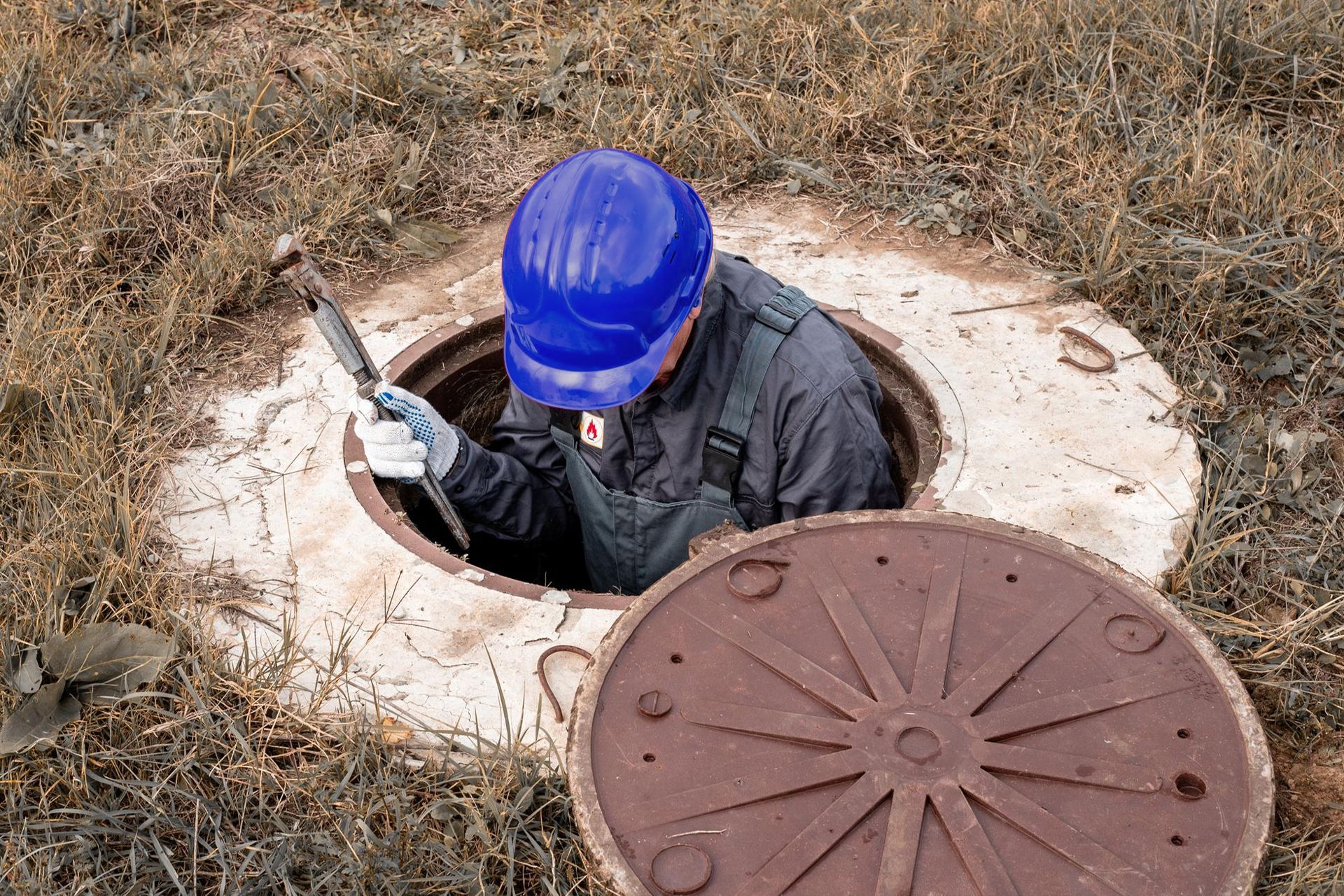
The process begins by locating a safe entry into the sewer line. A cleanout is usually the preferred option. It is a capped access pipe that may be outside the home, in a garage, or near the main plumbing route.
The inspector checks whether the cleanout is reachable and suitable for the equipment.
Landscaping, storage, damaged caps, or buried access points can make the process harder.
If a usable cleanout is not available, another entry method may be needed. Any access limitation should be explained clearly.
Step 2: Prepare the Camera Equipment
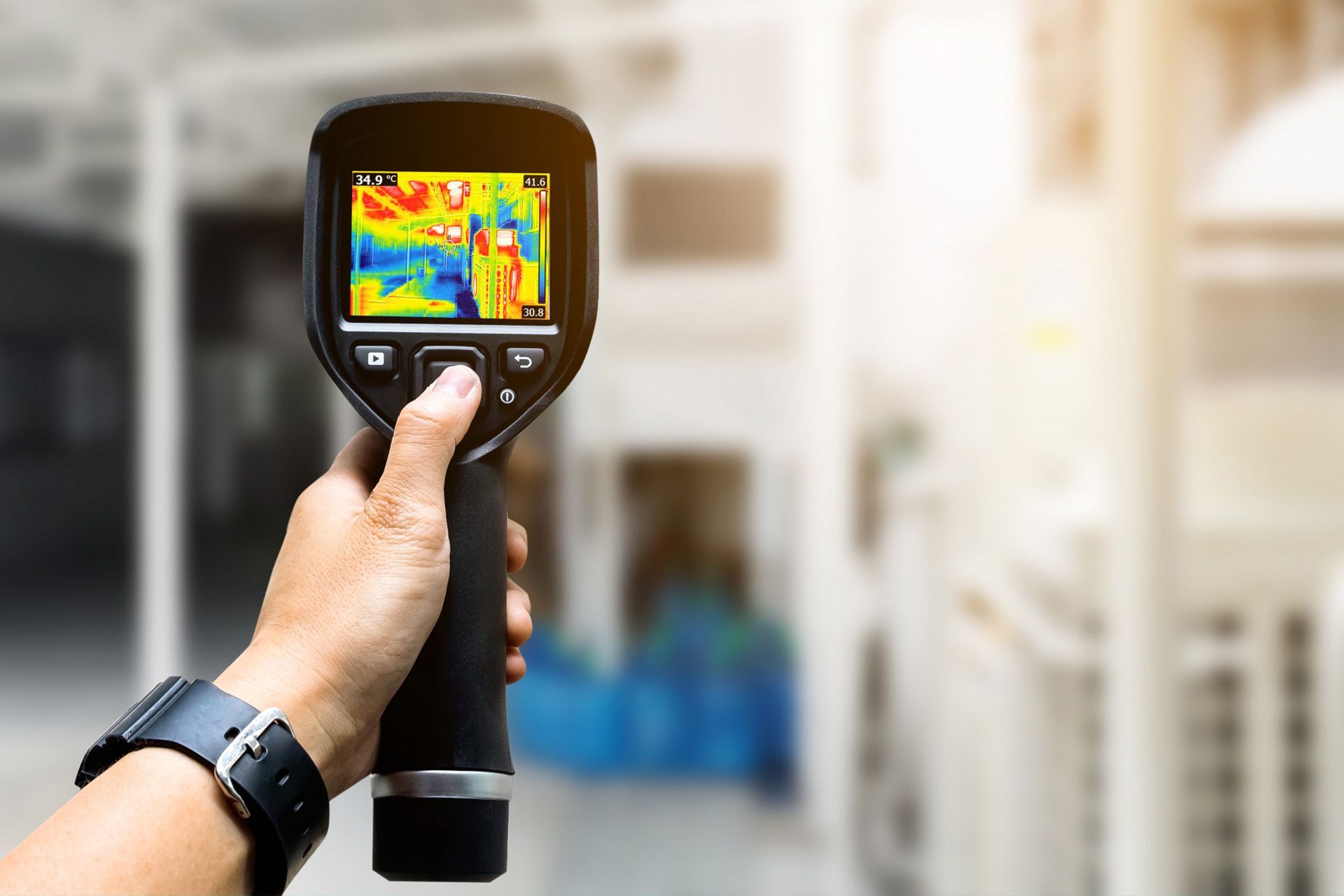
The inspector uses a waterproof camera head attached to a flexible push cable. Built-in lighting lets the inspector see inside the pipe in dark conditions.
Before insertion, the inspector checks image quality and cable movement. The equipment travels through accessible piping without digging up the yard or opening finished surfaces.
Step 3: Feed the Camera Through the Line
Once access is established, the inspector slowly feeds the camera into the sewer pipe while monitoring it on a screen.
A careful sewer line camera inspection gives the inspector time to observe joints, pipe material, deposits, damaged areas, and changes in the flow path.
How far the camera can travel depends on the line and existing conditions. A severe blockage, collapse, sharp turn, or other obstruction may stop the camera before it reaches the full length of the pipe.
Step 4: Review the Pipe in Real Time
As the camera moves forward, the inspector looks for conditions that may affect drainage or the condition of the pipes.
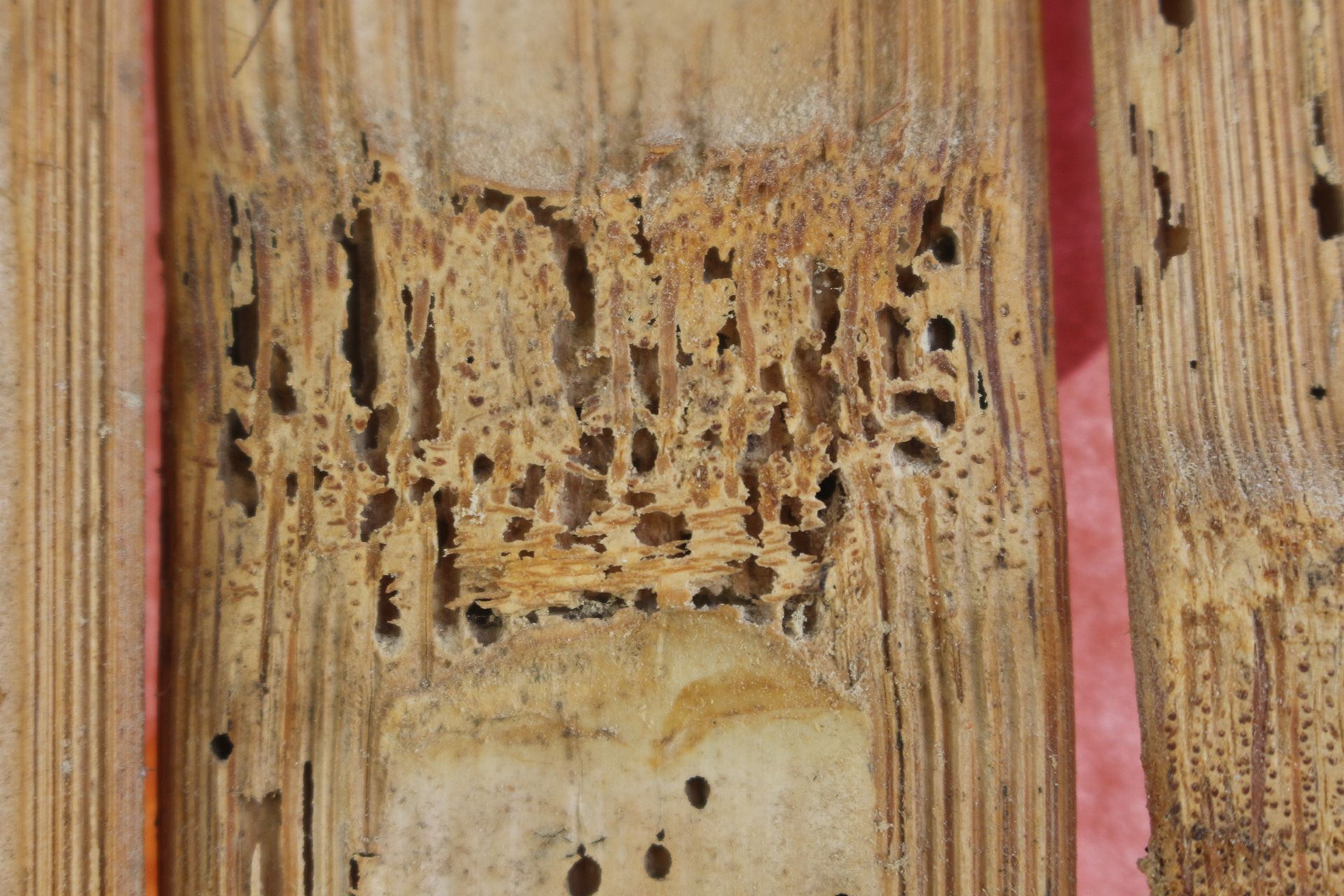
Common findings include tree root intrusion, cracks, pipe breaks, and misaligned joints. Grease, sediment, waste, and debris can also restrict normal flow. Standing water may point to a sagging or poorly sloped section of pipe.
Step 5: Document Important Findings
A useful sewer video inspection should do more than provide a moving image. The inspector records key observations so the client can understand what the camera found after it's removed.
Documentation may include images, recorded footage, written descriptions, and, when conditions allow, an approximate location.
The inspector can share clear records with a licensed plumber or use them during a real estate transaction.
Step 6: Review the Line on the Way Back
The inspector continues to monitor the pipe as they withdraw the camera.
After removing the camera, the inspector explains the main findings and limitations. Standing water may block part of the view, while a major obstruction may prevent access farther down the line.
A professional report should describe what was actually visible and avoid making conclusions that require further plumbing evaluation.
What the Camera Cannot Confirm
A camera is valuable, but it cannot answer every plumbing question.
A sewer video inspection cannot see through heavy buildup, soil, or a fully blocked section. It cannot measure the remaining strength of a pipe wall or predict exactly how long a pipe will last.
The camera may show a crack without proving whether wastewater is escaping into the soil, or standing water without measuring the exact grade. Significant concerns may require a licensed plumber.
When Is a Camera Inspection Worth Considering?
Buyers may request a camera review before closing because standard inspections rarely see underground sewer piping. Older properties may also benefit as pipe materials and joints age.
Homeowners may want a camera review after recurring drain backups, repeated clogs, sewer odors, or gurgling. New construction can also raise concerns, including construction debris, installation issues, or damage to buried pipes from heavy equipment.
Sellers may inspect before listing so they have time to understand important findings.
What Happens If a Problem Is Found?
The next step depends on the issue's type and severity.
Minor buildup may call for cleaning. Root intrusion may require removal and evaluation of the opening where the roots entered. A badly offset joint, severe corrosion, a broken section, or a collapse may require further assessment by a licensed plumber.
The camera report helps narrow the problem so the next professional can focus on the relevant area. Buyers can also ask better questions about past repairs, while current owners can plan future work.
How Camera Findings Help Home Buyers
A property's sinks and toilets may appear to work normally during a showing or standard inspection. That does not confirm the condition of the buried pipe.
For buyers, camera footage can reveal more about a part of the property that might otherwise remain unknown until after closing. If damage is evident, the buyer can seek further advice from a licensed plumber before making any important decisions.
The goal is not to assume every older pipe needs replacement. It is to understand visible conditions and identify areas that deserve professional attention.
Avoid Making Decisions From the Video Alone
Seeing a crack, root, or pool of water on a screen can look alarming. However, the image needs context.
The seriousness of a finding depends on factors such as its location, pipe material, size, severity, and whether it is affecting flow. Some conditions may need cleaning or monitoring, while others warrant prompt evaluation by a plumber.
An inspector documents accessible conditions and explains what they observed. A plumber or other qualified specialist may need to determine the appropriate repair method.
This distinction helps homeowners avoid treating every visible imperfection as the same type of problem.
Conclusion
A sewer camera inspection provides a focused look at a hidden part of the property. The process includes locating access points, feeding a waterproof camera through the line, documenting visible conditions, and explaining the inspection's limits.
For buyers, sellers, and homeowners, a sewer line camera inspection can reveal roots, cracks, buildup, standing water, damaged joints, and other conditions before they decide on maintenance or repair.
Full Circle Home Inspectors provides professional sewer scope inspections throughout Central Florida with camera technology and clear reporting. Our team helps clients understand what is visible inside the accessible line and when further evaluation may be appropriate.
Schedule a sewer scope inspection today for a clearer look beneath your property.
FAQs
Does a sewer camera inspection require digging?
Usually, no. When a suitable cleanout or other approved access point is available, the camera can enter the pipe without excavating the yard.
Can a camera inspect a completely blocked line?
Not always. A severe blockage or collapsed section may stop the camera. The inspector should document where access ended and explain the next step.
Can the camera identify sewer pipe material?
Often, visible features can help identify common materials, but buildup, image quality, repairs, or limited access can make identification harder.
Should home buyers attend the inspection?
Attendance can be helpful when permitted, as the inspector can explain key footage, visible findings, and limitations.
Does a clear inspection mean the sewer line will never have problems?
No. The inspection documents visible conditions at the time of service. Future root growth, soil movement, blockages, deterioration, or other changes can still affect the line.
Disclaimer: The information on this website and blog is for general informational purposes only and is not professional advice. We make no guarantees of accuracy or completeness. We disclaim all liability for errors, omissions, or reliance on this content. Always consult a qualified professional for specific guidance.
Search
Recent Posts