What is Termite Inspections for Home Purchases
Termites are silent destroyers. They can damage the structure of a home without obvious signs, leaving buyers with expensive repairs if unchecked. That’s why a termite inspection for a home purchase is essential. This guide covers everything you need to know: what the inspection involves, why it’s important, how inspectors work, and how buyers can protect their investment.
What Is a Termite Inspection?
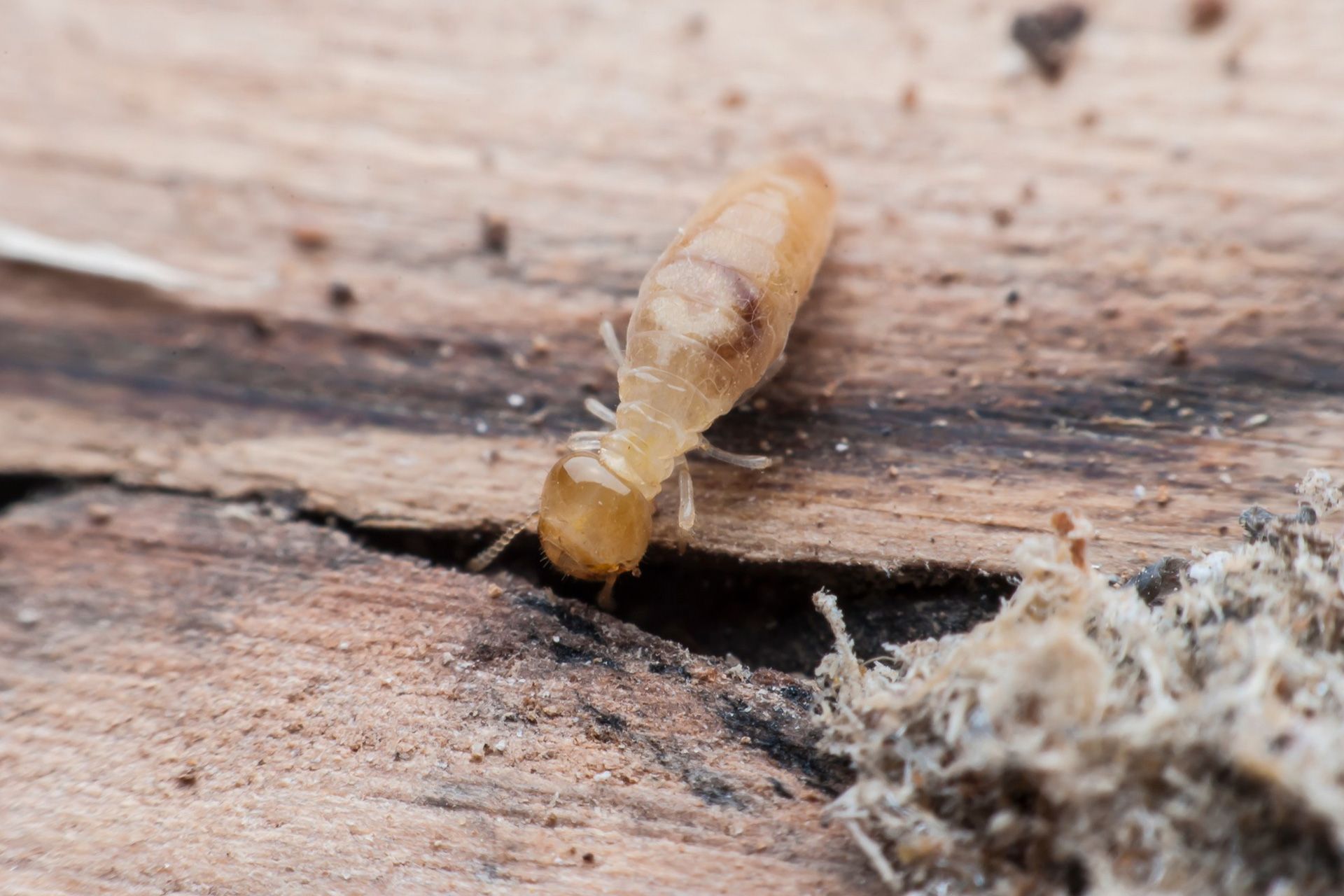
A termite inspection is a professional evaluation of a property to detect termite activity or damage.
Licensed inspectors look for:
- Active termite colonies
- Signs of past termite damage
- Conditions that make homes vulnerable to infestations
Termite inspections give buyers the confidence to proceed with their purchase and negotiate necessary repairs or treatments before closing.
Why Termite Inspections Are Critical When Buying a House
Termites can silently destroy wood, drywall, and insulation. Without a proper inspection:
- Buyers may inherit costly repairs
- Structural integrity could be compromised
- Mortgage lenders may require proof of a termite inspection
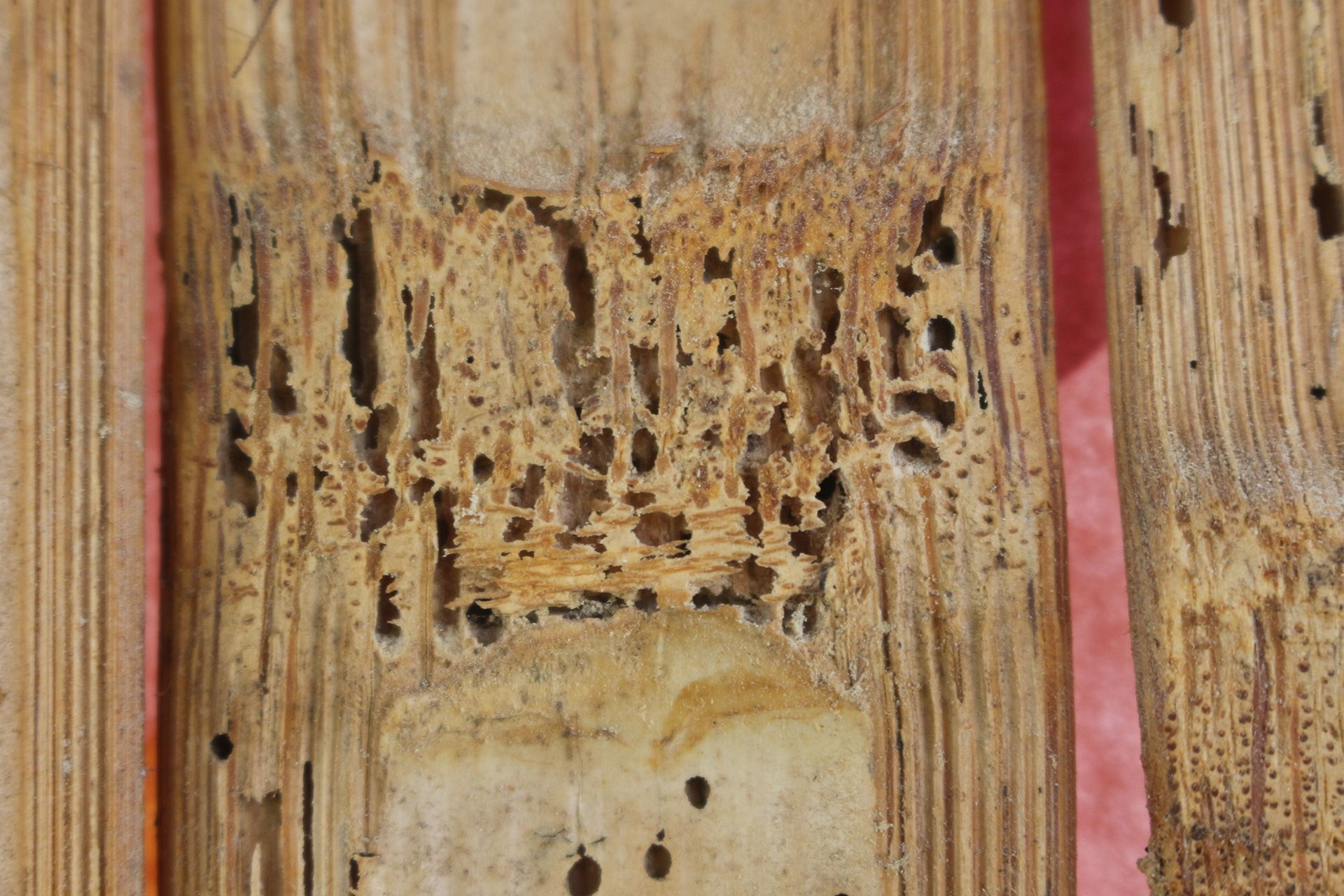
Even if a home looks fine, termites could already be causing significant damage beneath the surface. That’s why a termite inspection when buying a house is a critical step in the buying process.
When Should You Schedule a Termite Inspection?
1. Before Closing
Most lenders and insurance companies require termite inspections for properties in termite-prone regions. Scheduling the inspection before closing ensures you know the risks before completing your purchase.
2. For Older Homes
Older properties are more likely to have hidden termite damage or previous infestations. A thorough inspection can uncover issues invisible to the untrained eye.
3. After Signs of Termites
Mud tubes, discarded wings, or small holes in wood often indicate termite activity. Inspectors can confirm whether these are active infestations or past damage.
4. In Termite-Prone Areas
Regions like Florida are at high risk for termites year-round. Even if a home appears new, local conditions make inspections essential.
Who Performs a Termite Inspection?
Termite inspections should be done by licensed pest control professionals. They are trained to:
- Identify termite species and behaviors
- Locate entry points
- Assess wood damage and structural risk
- Provide detailed reports for buyers, sellers, and lenders
Professional expertise ensures the inspection is accurate, reducing the risk of missed infestations.
Step-by-Step Termite Inspection Process
A termite inspection for home purchase usually follows these steps:
1. Exterior Examination
Inspectors examine the outside of the home for:
- Mud tubes along foundations and walls
- Wood-to-soil contact
- Moist areas that attract termites
This step identifies potential entry points and environmental risks.
2. Interior Inspection
Inside the home, inspectors check:
- Baseboards, window and door frames
- Wooden flooring, stairs, and structural beams
- Attics and crawl spaces
They look for hollow-sounding wood, blistered paint, and signs of infestation.
3. Hidden Area Inspection
Termites hide behind walls, under floors, and in insulation. Inspectors may use:
- Moisture meters
- Flashlights and mirrors
- Probes for soft or damaged wood
This ensures no area is overlooked.
4. Detailed Reporting
After inspection, inspectors provide a report including:
- Evidence of active colonies
- Signs of past damage
- Areas at risk for future infestations
- Recommended prevention or treatment steps
Reports are often required by lenders, insurers, and buyers before closing.
Common Termite Species and Behaviors
Understanding termite types helps buyers know what inspectors are looking for:
- Subterranean Termites:
Live underground and build mud tubes to access wood. Most common and destructive.
- Drywood Termites:
Live inside dry wood, often in furniture or framing. Less common but can cause serious damage.
- Dampwood Termites:
Prefer moist wood, usually near water leaks or poor drainage.
Each type requires a slightly different inspection focus and treatment approach.
Signs of Termite Activity
Homebuyers should watch for common indicators:
- Mud tubes on walls or foundations
- Hollow-sounding wood
- Discolored or blistered paint
- Frass (termite droppings) near wood
- Swarming termites indoors or outdoors
A visual check is helpful, but professional inspections ensure hidden infestations are found.
Preventative Measures for Homeowners
Even after purchase, homeowners can reduce risk:
- Moisture Control:
Fix leaks, improve drainage, and use proper grading around the foundation.
- Wood-to-Soil Separation:
Keep decks, siding, and fences away from direct soil contact.
- Landscape Management:
Trim shrubs and trees that touch the home.
- Regular Inspections:
Schedule annual termite inspections to catch problems early.
- Barrier Treatments:
Consider pre-treatment or post-purchase termite barriers where legal and recommended.
These measures help maintain the home’s structural integrity and prevent costly repairs.
How Termite Inspections Affect Home Buying Decisions
A termite inspection report is a powerful tool:
- Negotiation:
Buyers can request treatment or repairs before closing.
- Insurance Approval:
Many insurers require proof of inspection or treatment.
- Peace of Mind:
Buyers know the property’s condition and can plan long-term maintenance.
Even a home that looks perfect may have hidden termite damage that could affect the value or safety.
Termite Inspection vs Home Inspection
| Feature | Termite Inspection | Home Inspection |
|---|---|---|
| Focus | Termite activity, damage, risk | General home condition (roof, plumbing, electrical, visible defects) |
| Who Performs It | Licensed pest control professional | Licensed home inspector |
| Depth | Specialized in termites | Broad overview of home systems |
| Report | Detailed termite activity, recommendations | General home evaluation |
Most buyers combine both inspections for full protection.
Tips for Buyers to Prepare for an Inspection
- Clear access to crawl spaces, basements, and attics
- Remove storage near walls or suspected termite areas
- Note visible cracks, mud tubes, or wood damage
- Share past pest or water damage history
- Ensure pets are secured and areas are accessible
Preparation ensures a thorough and accurate inspection.
Conclusion
A termite inspection for a home purchase is crucial to protect your investment, ensure structural integrity, and meet lender or insurance requirements. From identifying active colonies to uncovering hidden damage, inspections give buyers confidence and negotiation leverage.
For homeowners in Florida, Full Circle Home Inspectors provides professional termite inspection services, delivering detailed evaluations and clear reports to help protect your home and investment.
FAQs – Termite Inspections
What is a termite inspection for home purchase?
A professional check for active colonies, past damage, and areas at risk before buying a property.
When should a termite inspection be scheduled?
Before closing, in older homes, after signs of termites, or in termite-prone areas.
Who performs termite inspections?
Licensed pest control professionals trained to identify termite species and damage.
How long does a termite inspection take?
Most inspections take 1–2 hours, depending on property size and complexity.
What areas are checked during the inspection?
Inspectors examine exterior walls, crawl spaces, attics, wood framing, and areas susceptible to termite activity.
Can inspections prevent future termite damage?
Yes. Early detection allows treatment and preventive measures, minimizing structural damage.
Do termite inspections replace home inspections?
No. They are specialized; a home inspection covers general systems and visible defects.
What signs should buyers look for themselves?
Mud tubes, hollow wood, swarming termites, frass, and damaged or blistered wood are common indicators.
Disclaimer: The information on this website and blog is for general informational purposes only and is not professional advice. We make no guarantees of accuracy or completeness. We disclaim all liability for errors, omissions, or reliance on this content. Always consult a qualified professional for specific guidance.
Search
Recent Posts