WDO Inspection: A Guide to Wood Destroying Organism Inspections
When buying or owning a home, pests like termites, carpenter ants, and wood‑boring beetles can cause serious structural damage. These pests fall under the category of wood destroying organisms (WDOs), and identifying their activity early is vital to protect your property. A WDO inspection helps uncover hidden infestations before they become costly problems.
This guide explains what a WDO inspection is, why it matters, how the process works, what inspectors look for, and what steps you can take as a homeowner or buyer.
What Is a WDO Inspection?
A WDO inspection is a professional evaluation of a property to detect the presence of wood-destroying organisms and the damage they cause. Inspectors look for direct evidence of pests and signs that they have been active in structural or wooden components of a building.
Some of the most common organisms checked in a wood destroying organism inspection include:
- Termites
- Carpenter ants
- Powderpost beetles
- Wood‑boring beetles
- Carpenter bees
These pests feed on or nest in wood, weakening structural members and potentially leading to serious safety and repair issues.
Why WDO Inspections Matter
WDO inspections are important for several reasons:
1. Prevent Structural Damage
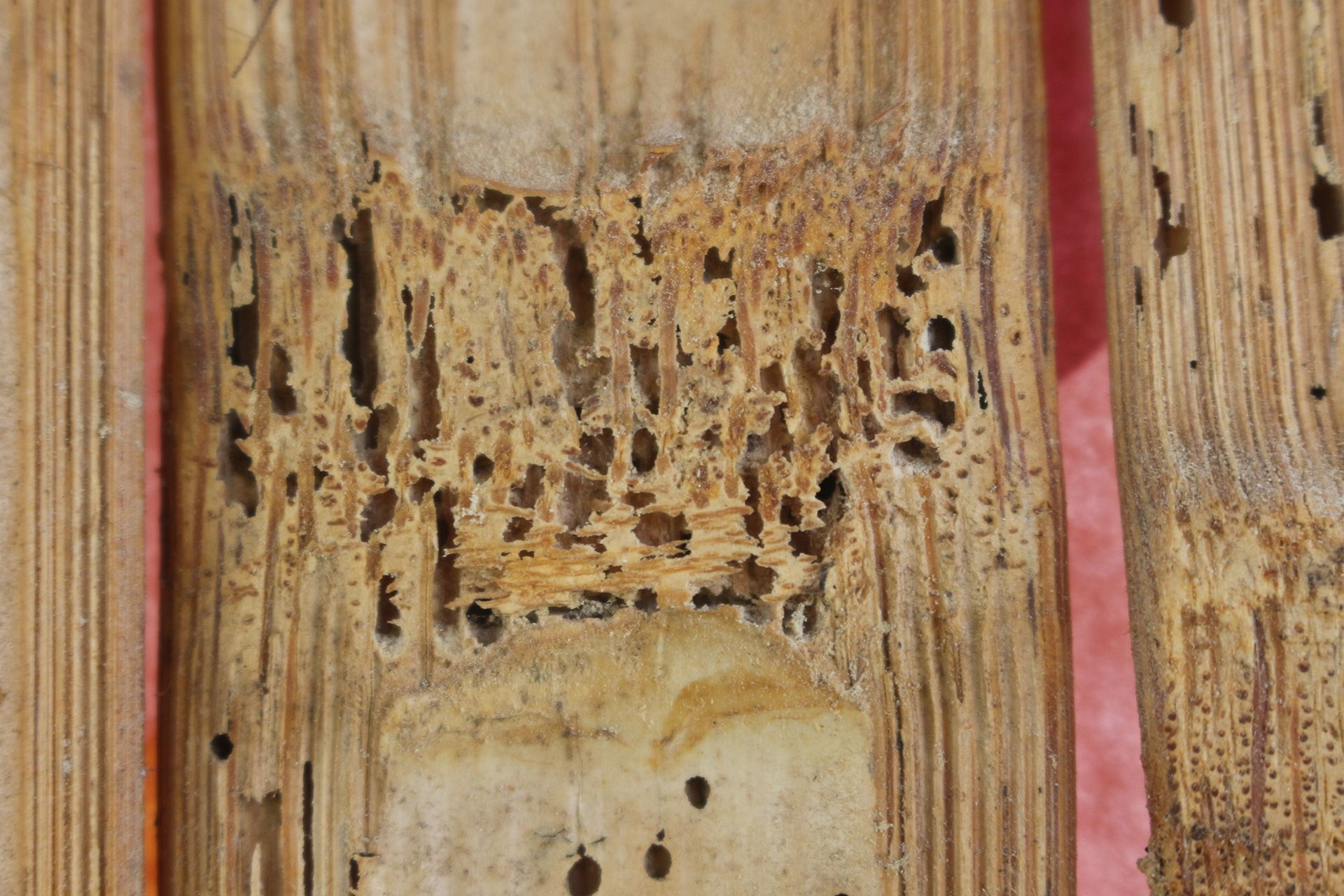
Wood destroying organisms destroy wood from the inside out. Damage can weaken beams, joists, framing, and other load‑bearing elements.
2. Protect Your Investment
Homes are expensive investments. Catching infestations early helps protect value and avoid costly repairs down the road.
3. Support Real Estate Transactions
Many lenders and insurers require a WDO inspection before closing a sale. It assures them the property is structurally sound and free from major hidden pest damage.
4. Peace of Mind
Knowing your home has been checked for wood destroying organisms gives you confidence in your purchase or maintenance plan.
When Should You Get a WDO Inspection?
A WDO inspection is recommended:
- Before buying a home —
to uncover hidden pest problems before closing
- During routine maintenance —
especially in older homes
- After evidence of pests —
if you notice sawdust, tiny holes, or hollow‑sounding wood
- After water damage —
moisture attracts many wood destroying organisms
- When selling a home —
to show buyers that the property has a clean bill of health
In many regions with high humidity (like Florida), WDO inspections are especially important due to favorable conditions for pests.
Who Performs a WDO Inspection?
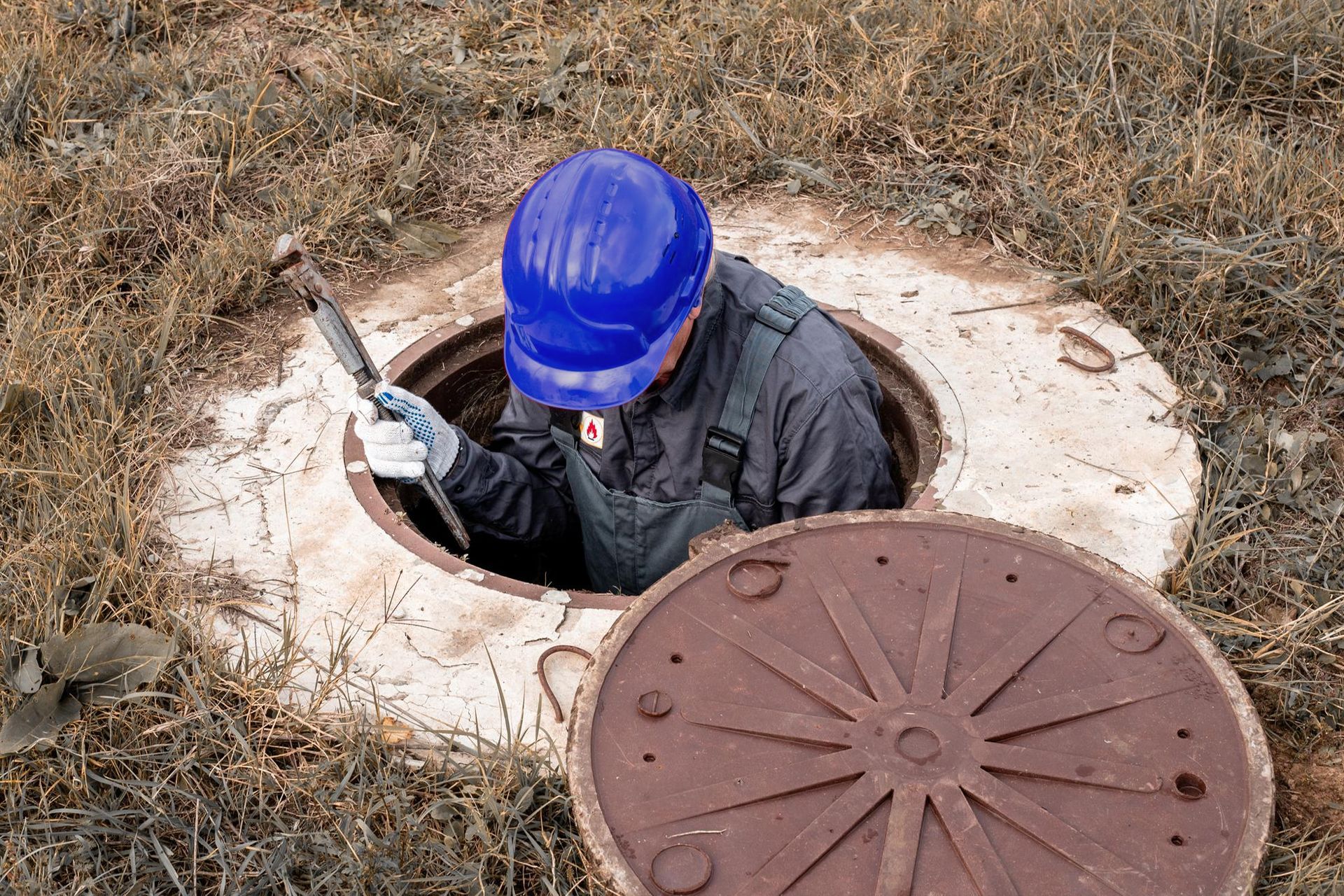
A WDO inspection should be done by a licensed pest control professional or inspector trained to identify wood destroying organisms and signs of damage. These professionals know what to look for and how to differentiate pest damage from other structural issues.
They often work with or follow guidelines from local and state pest control boards, ensuring the inspection meets regulatory standards.
What Happens During a WDO Inspection?
A typical wood destroying organism inspection includes several key steps:
1. Exterior Walk‑Around
Inspectors start with a thorough look at the outside of the home. They check:
- Foundations
- Siding and trim
- Decks and porches
- Window and door frames
- Wood‑to‑soil contact
- Moisture areas
Signs like mud tubes, wood shavings, or stains can indicate pest activity.
2. Interior Examination
Inside, the inspector examines:
- Crawl spaces
- Basements
- Wall cavities
- Attic spaces
- Structural beams
- Subfloors
They look for evidence of tunneling, nests, wood that sounds hollow when tapped, or visible insect activity.
3. Probing and Tools
Inspectors may use probes and moisture meters to test wood firmness and moisture levels. High moisture often attracts wood destroying organisms.
4. Documentation and Reporting
After the inspection, the inspector provides a detailed report. It includes:
- Areas inspected
- Signs of active or past infestations
- Severity of damage
- Photos of findings
- Recommendations for treatment or prevention
This report is often used for insurance, real estate, and repair planning.
Common Signs of Wood Destroying Organisms
Homeowners can look for several warning signs that may prompt a WDO inspection:
Mud Tubes
Termites build mud tubes along foundations or walls as protected pathways between soil and wood.
Hollow‑Sounding Wood
When wood sounds hollow when tapped, it can indicate internal damage by pests.
Wood Shavings or Frass
Fine sawdust or frass (insect droppings) near wooden structures can signal pest activity.
Tiny Holes in Wood
Small entry or exit holes can be a sign of beetle or carpenter bee activity.
Loose or Bubbling Paint
Moisture from leaks can attract wood destroying organisms; bubbling paint may be an early indicator.
Unexplained Sagging
Floors, ceilings, or decks that sag may be suffering from structural weakening due to insect damage.
Types of Wood Destroying Organisms
Understanding common pests helps homeowners know what inspectors watch for:
Termites
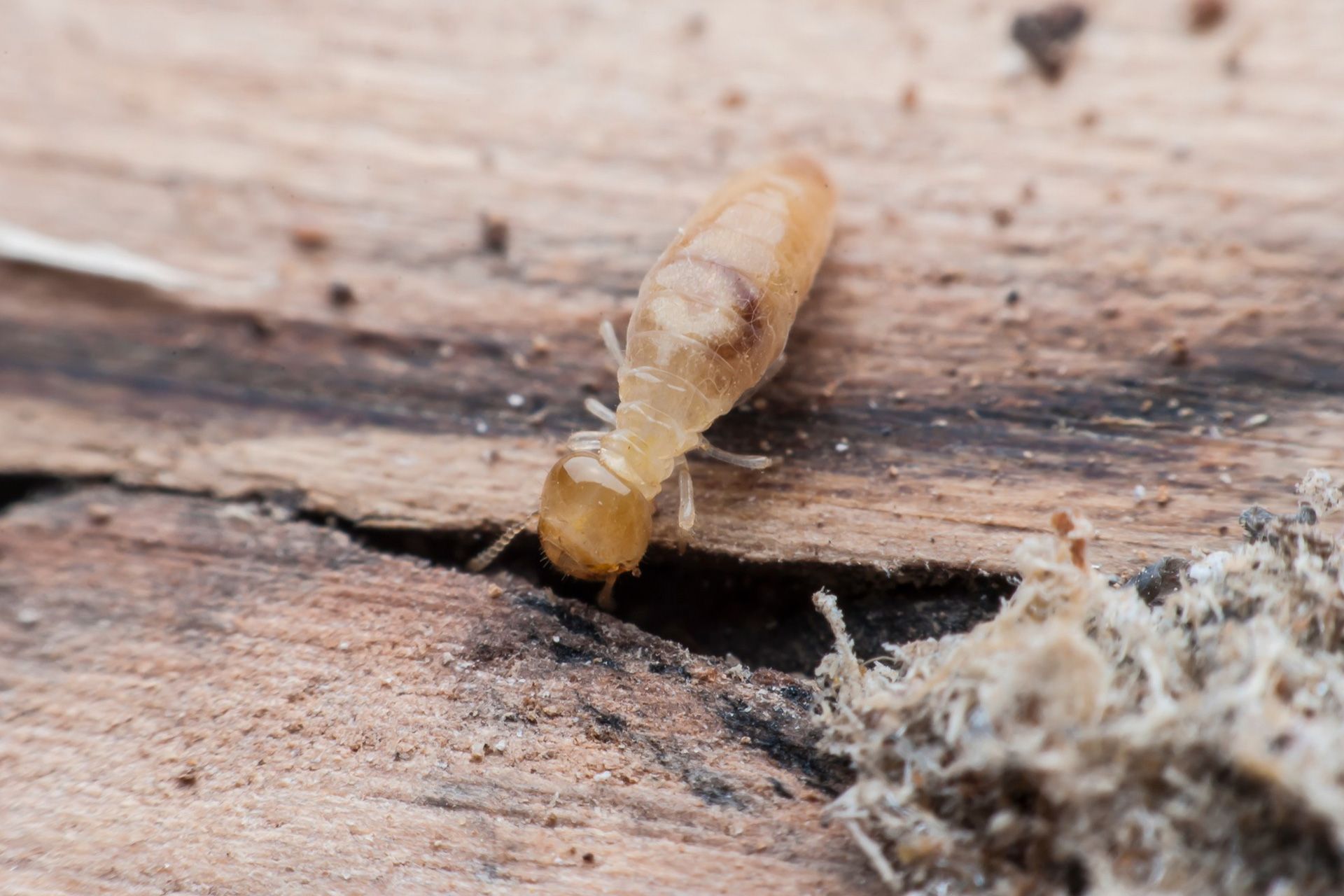
Termites are among the most destructive wood destroying organisms. They eat wood from the inside, often leaving little surface evidence until damage is advanced.
Carpenter Ants
Carpenter ants don’t eat wood, but they tunnel through it to build nests, weakening structure in the process.
Wood‑Boring Beetles
Beetles like powderpost beetles lay eggs in wood. Larvae eat their way through, leaving tiny exit holes and fine frass.
Carpenter Bees
These bees bore holes into wood to make nests, often in eaves or deck supports.
Each of these organisms creates different damage patterns, but all can compromise wooden structures if left unchecked.
How WDO Inspections Influence Home Repairs
If an inspector finds evidence of wood destroying organisms, the next steps may include:
- Treatment or extermination
of active pests
- Structural repairs
to weakened wood
- Moisture control
to reduce future pest attraction
- Preventative measures
like barriers or wood treatments
Inspectors often provide guidance on how to address current issues and prevent future infestations.
Difference Between WDO and Standard Home Inspections
While a general home inspection covers a wide range of systems (roof, plumbing, electrical), it may not include a detailed pest check. A WDO inspection is specialized and focuses exclusively on:
- Wood destroying organisms
- Signs of past pest damage
- Conditions that make wood vulnerable
Most homebuyers choose to order both inspections for a complete picture of a property’s condition.
Preventing Wood Destroying Organism Damage
Homeowners can reduce risk by:
- Keeping wood away from soil:
Use concrete piers or supports where wood meets ground
- Reducing moisture:
Fix leaks, ensure proper drainage, and ventilate crawl spaces
- Removing debris:
Firewood, lumber, and mulch should be stored away from the house
- Routine maintenance:
Regular WDO inspections can catch problems early
- Sealing cracks:
Keep pests out by sealing gaps around doors, windows, and foundations
These actions make a home less inviting to wood destroying organisms.
Conclusion
A WDO inspection, or wood destroying organism inspection, is a vital step for homebuyers, sellers, and homeowners who want to protect a property’s structural integrity. These inspections uncover hidden pest activity before it causes serious damage and provide recommendations for repair and prevention.
For homeowners in Florida, Full Circle Home Inspectors offers expert WDO inspections with thorough reporting and knowledgeable guidance so you can be confident in your home’s condition and future.
FAQs – WDO Inspections
What is a WDO inspection?
It is a specialized inspection that checks for wood destroying organisms such as termites, carpenter ants, and wood‑boring beetles and the damage they cause.
When should I get a WDO inspection?
Before buying a home, during regular maintenance, after signs of pests, or in termite‑prone regions.
Who performs wood destroying organism inspections?
Licensed pest control professionals trained to identify signs of pest activity and structural damage.
What are common signs of termite or pest activity?
Mud tubes, tiny holes in wood, frass (wood shavings), hollow‑sounding wood, and sagging floors.
Is a WDO inspection the same as a general home inspection?
No. A WDO inspection focuses only on pests that damage wood, while a home inspection covers broader systems like plumbing, electrical, and structural components.
Can a WDO inspection prevent future damage?
Yes. By finding early signs of pest activity and recommending treatments, WDO inspections can prevent costly structural damage.
How often should a home be checked for wood destroying organisms?
Routine inspections yearly or every couple of years are recommended, especially in high‑risk areas.
Disclaimer: The information on this website and blog is for general informational purposes only and is not professional advice. We make no guarantees of accuracy or completeness. We disclaim all liability for errors, omissions, or reliance on this content. Always consult a qualified professional for specific guidance.
Search
Recent Posts