Certified Florida Home Inspectors: A Complete Guide
Buying a home is exciting, but it comes with responsibilities. One of the most important steps is hiring certified Florida home inspectors to check the property’s condition. A professional inspection ensures you understand the home’s current state, identifies potential issues, and helps protect your investment.
This guide explains everything about Florida home inspections, how inspectors work, what to expect, and why hiring experienced professionals like Full Circle Home Inspectors is essential.
What Are Florida Home Inspectors?
Florida home inspectors are licensed professionals trained to evaluate the condition of residential properties. Their job is to look for problems in:
- Structural components (foundation, walls, roof)
- Plumbing and electrical systems
- Heating, ventilation, and air conditioning (HVAC)
- Safety hazards, such as mold or fire risks
Inspectors provide a detailed report so buyers and sellers can make informed decisions.
Why Hire Certified Florida Home Inspectors?
Hiring a certified inspector gives homeowners:
- Expert Evaluation –
Professionals know what to check and how to spot hidden issues.
- Peace of Mind –
A thorough inspection reduces the risk of unexpected problems after purchase.
- Legal and Insurance Benefits –
Certified inspections can be required for loans or insurance approvals.
- Negotiation Power –
Inspection reports help buyers request repairs or adjust prices.
In Florida, it’s important to hire inspectors licensed in the state, as they are familiar with local regulations, weather impacts, and common issues like hurricanes, high humidity, and termites.
What Does a Florida Home Inspection Include?
A typical Florida home inspection covers the following areas:
1. Structural Components
- Foundation cracks or settling
- Wall stability
- Roof condition and leaks
2. Plumbing Systems
- Pipe condition and leaks
- Water pressure and drainage
- Hot water system functionality
3. Electrical Systems
- Wiring condition
- Outlets and switches
- Electrical panel safety
4. HVAC Systems
- Heating and cooling system performance
- Proper ventilation
- Safety compliance
5. Interior and Safety Checks
- Smoke and carbon monoxide detectors
- Mold or moisture problems
- Windows and doors condition
6. Exterior Inspection
- Siding and paint condition
- Drainage and gutters
- Landscaping that affects foundation
7. Specialized Services
Some Florida inspectors, like Full Circle Home Inspectors, offer advanced services such as:
- Infrared thermal imaging
- Mold or air quality testing
- Roof certification
- Wind mitigation inspections
House Inspection Florida: Step-by-Step Process
Understanding the inspection process helps homeowners prepare and get the most out of it:
1. Schedule the Inspection
Book your inspection as soon as your offer is accepted. Early scheduling ensures the inspection is completed within your contract timeline.
2. On-Site Inspection
Inspectors examine all areas of the home, taking notes and photos to document conditions.
3. Inspection Report
You receive a detailed report highlighting:
- Existing issues
- Potential risks
- Recommendations for repairs
4. Review & Negotiate
Buyers can review the report and request repairs or negotiate credits with the seller.
5. Final Decision
Once issues are resolved, buyers move forward with confidence, knowing the home’s condition has been professionally assessed.
Why Florida Home Inspections Are Important
Florida homes face unique challenges that make inspections essential:
- Hurricane Risks:
Roofs, windows, and structural elements must withstand high winds.
- Humidity and Moisture:
Can lead to mold, wood rot, and termite damage.
- Older Homes:
Many Florida homes have aging electrical, plumbing, or HVAC systems.
- Insurance Requirements:
Some insurance providers require inspections before coverage.
A professional inspection ensures your home is safe, structurally sound, and compliant with local regulations.
Common Issues Found During Florida Home Inspections
Professional inspectors often identify:
- Roof leaks or damage
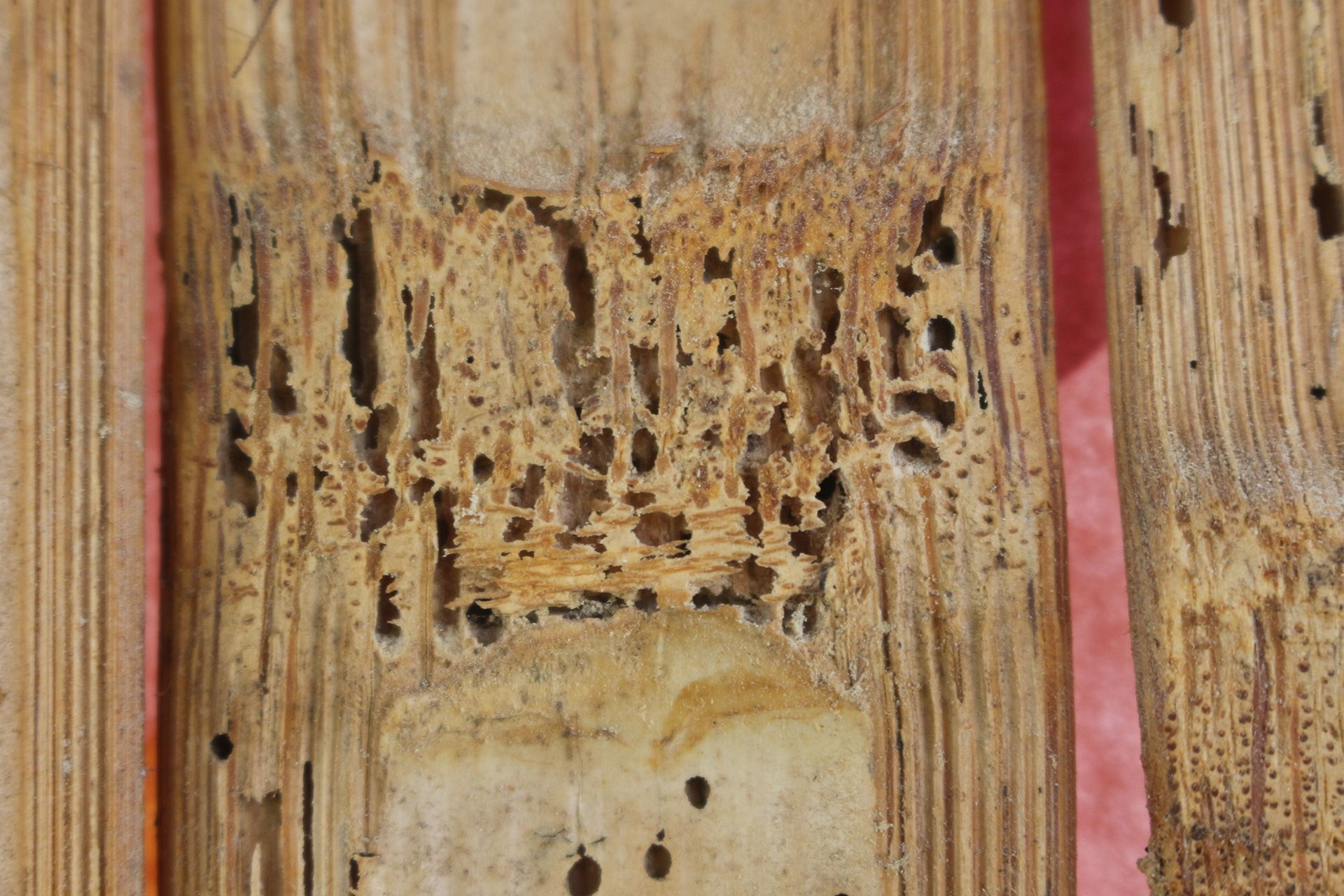
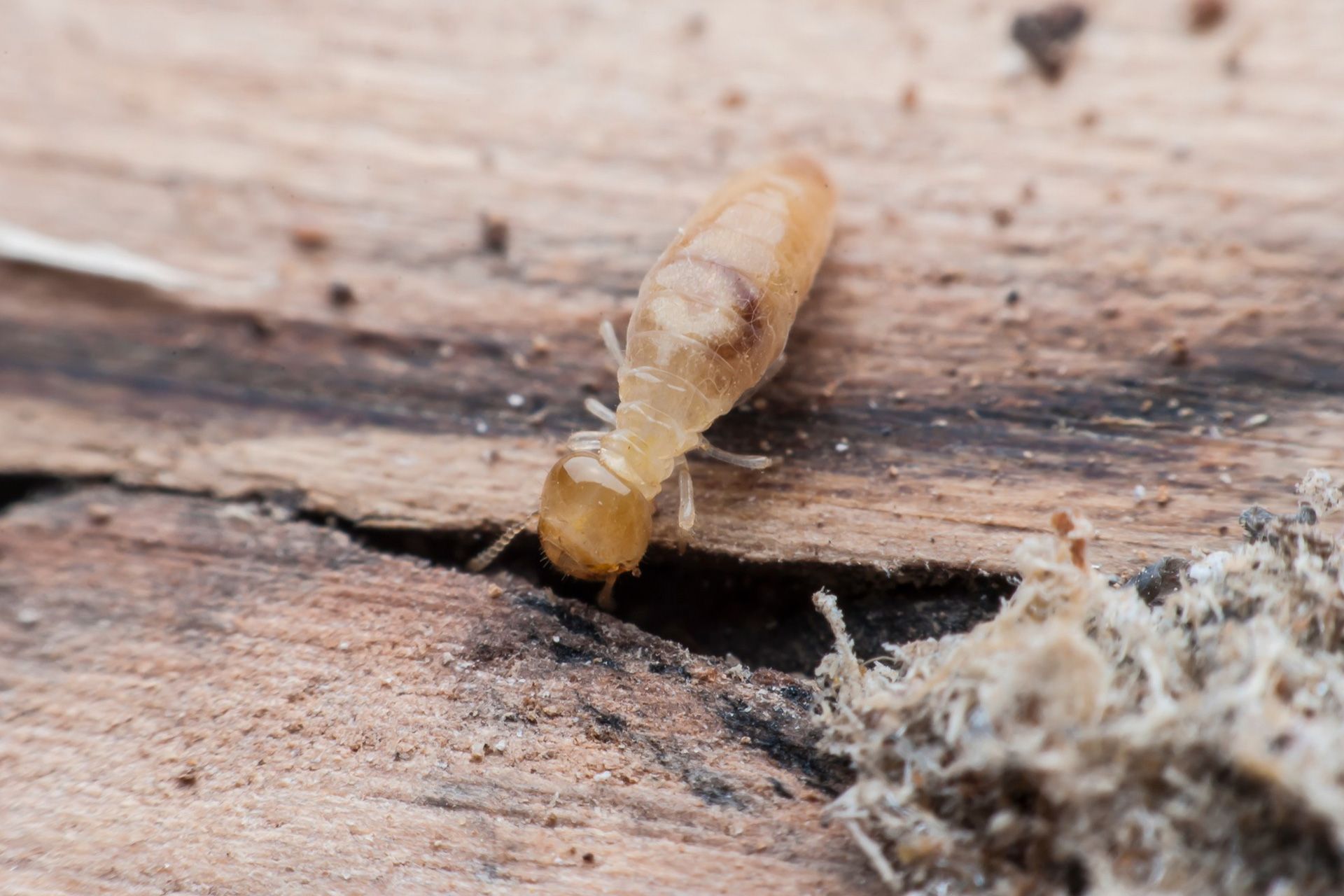
- Termite or pest damage
- Plumbing leaks or water damage
- Electrical hazards
- HVAC system inefficiencies
- Mold or poor air quality
- Structural cracks or foundation problems
Finding these problems before buying allows homeowners to address them proactively.
Tips for Homeowners Before a Florida Home Inspection
- Clean and Clear Access:
Make sure inspectors can access attics, crawl spaces, and utility areas.
- Document Repairs:
Show recent repairs to demonstrate maintenance.
- Attend the Inspection:
Walk through with the inspector to ask questions and understand findings.
- Hire Experienced Inspectors: Use licensed professionals familiar with Florida homes, like
Full Circle Home Inspectors.
- Prepare Questions:
Ask about warranties, maintenance needs, and expected lifespan of major systems.
Choosing the Right Florida Home Inspector
When selecting a home inspector, consider:
- Licensing & Certification:
Florida requires home inspectors to be licensed.
- Experience:
Look for inspectors with local knowledge and years of experience.
- Services Offered:
Choose inspectors who provide full evaluations, including specialized checks like mold or wind mitigation.
- Reports & Documentation:
Reports should be thorough, clear, and easy to understand.
- Reviews & Reputation:
Check online reviews and references to ensure trustworthiness.
Full Circle Home Inspectors combines expertise, thorough reporting, and Florida-specific knowledge, making them an ideal choice for homeowners.
Conclusion
Hiring Florida home inspectors is an essential step when buying or selling a home. A professional inspection provides peace of mind, helps avoid costly repairs, and ensures your property is safe and compliant.
Whether it’s a standard Florida home inspection or specialized services like mold testing or wind mitigation, working with experienced professionals like Full Circle Home Inspectors guarantees a thorough evaluation, expert advice, and confidence in your real estate decision.
FAQs – Florida Home Inspectors
What does a Florida home inspection include?
It covers structural components, plumbing, electrical, HVAC systems, safety hazards, and exterior conditions.
How long does a Florida home inspection take?
Most inspections take 2–4 hours depending on home size and complexity.
Are Florida home inspectors licensed?
Yes, all professional inspectors must be licensed by the Florida Department of Business & Professional Regulation.
Can inspectors find mold or air quality issues?
Yes. Many inspectors, including Full Circle Home Inspectors, offer mold and air quality testing.
How much does a Florida home inspection cost?
Florida home inspection costs vary based on property size, age, and inspection scope. Homes exposed to humidity and storms may require more detailed evaluations.
Should I attend the home inspection?
Yes, being present allows you to ask questions and understand findings firsthand.
Can inspection reports be used to negotiate repairs?
Absolutely. Buyers often use inspection reports to request repairs or credits before closing.
Disclaimer: The information on this website and blog is for general informational purposes only and is not professional advice. We make no guarantees of accuracy or completeness. We disclaim all liability for errors, omissions, or reliance on this content. Always consult a qualified professional for specific guidance.
Search
Recent Posts