Who Pays for Home Inspections: The Buyer or Seller?
When you’re buying or selling a home, one question often comes up: who pays for home inspection? It’s an important part of the process, and understanding who typically covers this cost can help you plan your budget and negotiation strategy.
This guide explains the roles of buyers and sellers when it comes to home inspection, common practices in real estate deals, and tips for negotiating inspection responsibilities.
What Is a Home Inspection?
A home inspection is a professional evaluation of a property’s condition, performed by a licensed home inspector. The inspector checks major systems and components of the house, including:
- Structural elements (foundation, framing, roof)
- Electrical systems
- Plumbing systems
- Heating and cooling (HVAC)
- Insulation and ventilation
- Interior and exterior components
Inspectors provide a detailed report that highlights issues, defects, and areas needing maintenance or repair.
A home inspection is not a guarantee or warranty, it’s a snapshot of the home’s condition at the time of inspection.
Why Home Inspections Matter
Home inspections give buyers peace of mind and help them avoid costly surprises. They can:
- Reveal hidden defects
- Help estimate future repair costs
- Influence negotiation or sale terms
- Provide leverage for price adjustments
- Help buyers decide whether to proceed with purchase
Because home inspections are valuable, buyers usually schedule them during the due diligence period of a real estate transaction.
Who Pays for Home Inspection?
The short answer is usually the buyer. In most real estate transactions, the buyer pays for the home inspection. This is because the inspection serves the buyer’s interest, it allows buyers to fully understand what they’re purchasing before closing.
However, there are exceptions and variations depending on market conditions, negotiation, and local customs.
Why Buyers Usually Pay for Home Inspections
1. The Inspection Benefits the Buyer Most
The buyer uses the inspection report to decide:
- Whether to move forward with the purchase
- What repairs to request
- What price to offer
Because the buyer receives direct value from the inspection, it’s common practice for them to cover the cost.
2. Buyers Control the Inspection
Buyers choose:
- The inspector
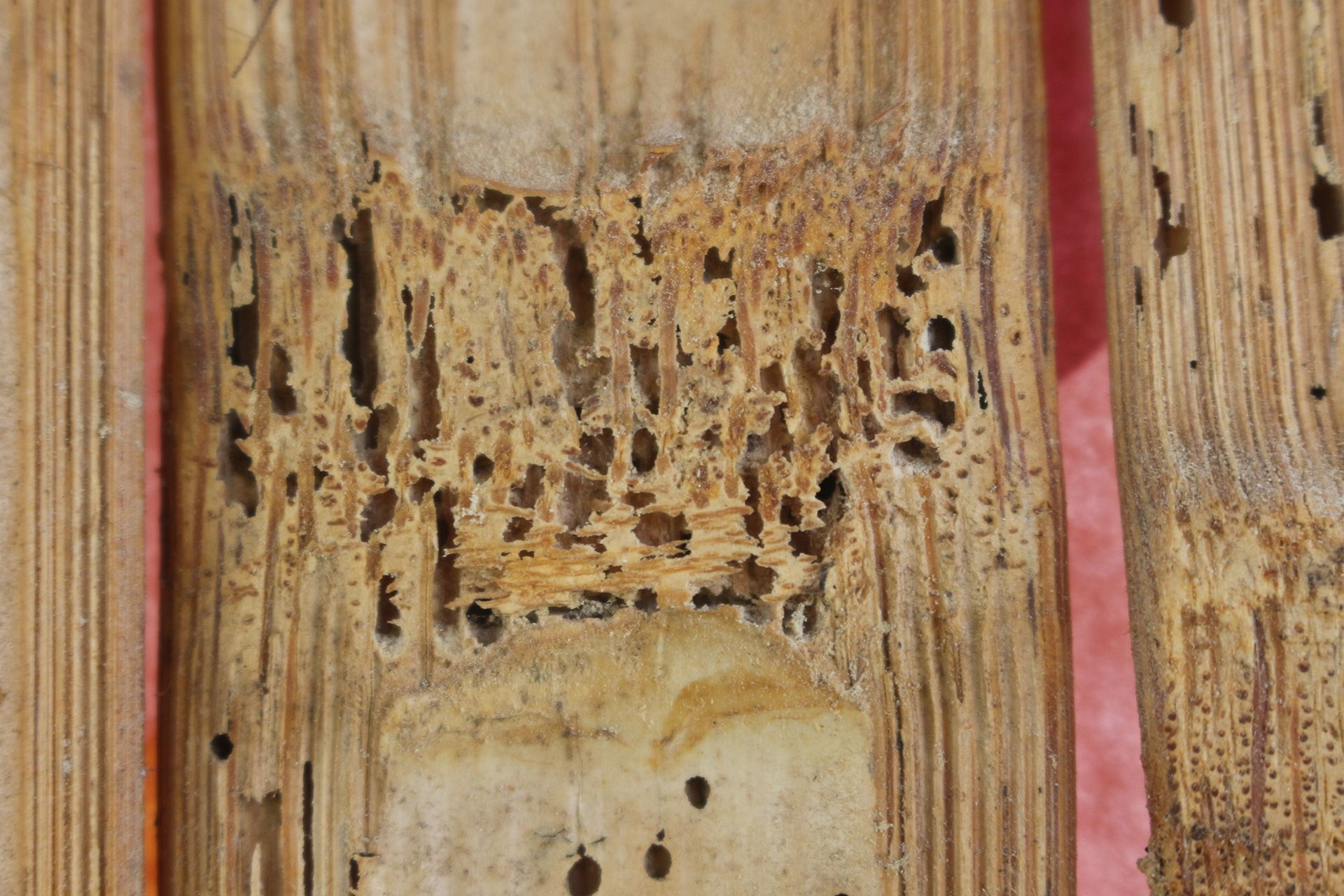
- Any additional specialized inspections (mold, sewer scope, termite or WDO)
- When the inspection is done
This control supports the idea that the buyer should pay.
3. The Seller’s Legal Requirements Are Limited
Sellers are not usually legally required to pay for or obtain an inspection before selling, unless local regulations state otherwise.
When Selling a House: Seller’s Role and Responsibilities
While sellers don’t usually pay for the buyer’s inspection, there are situations where they might:
Pre‑Listing Inspection
Some sellers order a pre‑listing home inspection before putting the house on the market. The goal may be to:
- Identify issues early
- Prepare for buyer negotiations
- Address needed repairs in advance
- Provide transparency to prospective buyers
Pre‑listing inspections are paid by the seller because they do it before a buyer’s involvement.
When Required by Agreement
In rare situations, a purchase contract may require the seller to pay for part or all of the inspection.
This happens when:
- The buyer negotiates it as a term of sale
- The seller includes it in a “move‑in condition” agreement
- The market favors buyers strongly
Always review your contract carefully to see who is responsible for inspection fees.
Negotiating “Who Pays for Home Inspection”
Even though the buyer normally pays, this issue can be negotiated:
Buyers Can Ask Sellers to Pay
A buyer might ask the seller to cover the inspection if:
- The home has known issues
- The buyer is offering other concessions
- The market is heavily tilted toward buyers
Sellers may agree to help in exchange for a higher purchase price or faster closing.
Sellers Offer Home Warranty or Inspection Credit
Instead of paying outright, a seller might offer:
- A credit at closing
- A home warranty that covers major systems post‑sale
These options help buyers with peace of mind while keeping the sales process smooth.
Other Inspection‑Related Costs Buyers Should Know
When thinking about who pays for house inspection, buyers should know that the inspection cost itself isn’t the only possible expense. Buyers may also decide to pay for:
- Specialized inspections
(often requested after a general
home inspection flags issues):
- Termite or wood destroying organism (WDO) inspections
- Mold & air quality inspections
- Sewer scope inspection
- Radon testing
- Chimney inspection
- Roof certification
- Re‑inspection fees
(if repairs were made and a second check is needed)
- Consultation or quote fees
from specialists
Buyers should budget for these possibilities, even though the seller typically does not pay for them.
Market Conditions and Inspection Payment Customs
Who pays for a home inspection can vary by real estate market:
Seller’s Market
When inventory is low and buyer demand is high:
- Buyers may waive inspections or agree to pay more
- Sellers may be less inclined to cover costs
In tight markets, buyers often take on more inspection responsibilities to make their offers more competitive.
Buyer’s Market
When inventory is high and buyers have more leverage:
- Buyers may ask sellers to pay inspection costs
- Sellers may offer inspection credits or pre‑inspection reports
Understanding your local market conditions can help inform negotiation strategies.
Inspection Contingencies and Contracts
A typical purchase contract includes a home inspection contingency, which allows buyers to:
- Conduct inspections within a specified timeframe
- Request repairs based on findings
- Walk away if the seller refuses reasonable requests
This contingency protects buyers and ensures the inspection outcome matters before finalizing the deal.
Contracts should clearly spell out:
- Who pays for the inspection
- Which inspections are included
- Deadlines for review and negotiation
- How repair requests will be handled
Always review these terms with your real estate agent or attorney.
What Happens After the Inspection
Once the inspection is done and the report is delivered, buyers typically:
Review the Findings
Look at major issues, safety concerns, and items needing urgent attention.
Request Repairs or Credits
Buyers may ask the seller to:
- Make repairs before closing
- Provide credits at closing
- Reduce the sale price based on findings
Decide Whether to Move Forward
Based on severity, buyers choose to:
- Proceed with purchase
- Renegotiate terms
- Cancel the contract (if allowed under contingency)
Even when the buyer pays for the inspection, the report plays a key role in decision‑making.
Tips for Buyers About Inspection Costs
Here are helpful tips for buyers navigating when buying a house who pays for the inspection:
- Budget for the inspection upfront –
buyers usually pay this fee
- Ask for a detailed, itemized report –
not all inspectors provide this automatically
- Attend the inspection –
learn more about the home and systems firsthand
- Ask questions –
inspector insights help you plan maintenance and repairs
Being informed lets buyers make decisions with confidence.
Conclusion
In most real estate transactions, the buyer pays for home inspection because it serves the buyer’s interests. They choose the inspector and use the report to understand the property’s condition before closing. Sellers may pay for pre‑listing inspections or offer credits, but this is based on negotiation and market conditions.
Knowing who pays for house inspection and when to negotiate can help both buyers and sellers make informed decisions. Whether you are buying in Florida or elsewhere, starting with a professional home inspection helps ensure you understand what you’re getting.
For dependable inspection services, Full Circle Home Inspectors provides expert home inspections, clear reporting, and professional guidance to help you make confident real estate decisions.
FAQs – Who Pays for Home Inspection
Who pays for home inspection in a real estate deal?
Typically, the buyer pays for the home inspection because it helps them assess the condition of the property before purchase.
Can the seller pay for a home inspection?
Yes. Sellers sometimes pay for pre‑listing inspections or agree to cover the buyer’s inspection cost as part of negotiation.
When buying a house, who pays for the inspection?
In most cases, the buyer pays. However, contracts can be negotiated to shift or share costs depending on market conditions.
Does the buyer choose the home inspector?
Yes. The buyer usually hires and pays the inspector, ensuring an unbiased evaluation.
Do sellers ever provide credits instead of paying directly?
Yes. Sellers may offer credits at closing to cover inspection costs or future repairs.
Are inspection costs refundable?
No, inspection fees are typically non‑refundable because inspectors are paid for their professional service.
Does a home inspection affect the sale price?
Yes. Inspection findings can lead to repair requests, price adjustments, or negotiation terms before closing.
Disclaimer: The information on this website and blog is for general informational purposes only and is not professional advice. We make no guarantees of accuracy or completeness. We disclaim all liability for errors, omissions, or reliance on this content. Always consult a qualified professional for specific guidance.
Search
Recent Posts